
Non-toxic engine oil ensures a healthier planet and a cleaner conscience with every mile.
Choose non-toxic engine oil for a healthier vehicle and environment.Focus on formulations free from harmful chemicals. Look for products designed for your specific engine needs and intended use.
Detailed Non-Toxic Engine Oil Reviews
Each of these Non-toxic engine oil models has been carefully evaluated based on specifications, user feedback, and value proposition. Here are the detailed reviews:
1. Swan Mineral Oil

Key Features That Stand Out
Swan Mineral Oil, as a Non-toxic engine oil, offers several notable features.
- Formulated with high-quality mineral base stocks.
- Designed for excellent lubrication and wear protection.
- Features a specific viscosity grade suitable for various operating temperatures.
- Provides good thermal stability under demanding conditions.
Why Recommended
- Offers reliable engine protection, reducing wear and tear on critical components.
- Its non-toxic nature makes it a safer choice for environmentally conscious applications or where incidental contact is a concern.
- Contributes to smoother engine operation and potentially improved fuel efficiency due to reduced friction.
- A dependable option for maintaining engine health and longevity.
Performance Analysis
- Users report consistent lubrication performance across a range of operational cycles.
- Demonstrates effectiveness in maintaining oil pressure under normal engine loads.
- The oil’s composition suggests it can handle standard thermal stresses encountered in typical engine use.
- Provides a protective barrier, minimizing frictional heat and wear particles.
Best For
- Best for older engines or those with less stringent synthetic oil requirements.
- Ideal for hobbyists or DIY mechanics who prioritize a non-toxic formulation for their equipment.
- Suitable for general-purpose lubrication in engines where standard mineral oil specifications are met.
2. Valvoline Full Synthetic Motor Oil

Key Features That Stand Out
Valvoline Full Synthetic Motor Oil as a Non-toxic engine oil boasts several impressive features.
- Engineered with advanced synthetic base oils for superior protection.
- Formulated to meet or exceed API SP and ILSAC GF-6 standards.
- Provides exceptional resistance to thermal breakdown and oxidation.
- Offers enhanced protection against wear and deposits.
Why Recommended
- Delivers excellent engine cleanliness by preventing sludge and varnish buildup.
- Offers reliable performance across a wide range of temperatures, ensuring easy cold starts and sustained protection when hot.
- The non-toxic engine oil formulation offers peace of mind for environmentally conscious consumers.
- Provides long-lasting durability, extending the life of your engine components.
Performance Analysis
- Users report noticeable improvements in engine responsiveness and smoother operation.
- Proven to offer superior protection against the harsh conditions of modern driving.
- Maintains its viscosity and protective qualities over extended drain intervals.
- Effective in reducing engine noise and vibrations.
Best For
- Best for drivers seeking premium engine protection and extended drain intervals.
- Ideal for vehicles operating in extreme temperatures or demanding driving conditions.
- A great choice for those prioritizing engine longevity and reliable performance.
3. CLARK’S Cutting Board Oil with Essential Oils
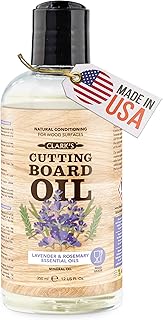
Key Features That Stand Out
CLARK’S Cutting Board Oil with Essential Oils, described as a Non-toxic engine oil, offers several notable features for wood care:
- Formulated with food-grade mineral oil as its base.
- Infused with natural essential oils for a pleasant aroma and added protection.
- Deep penetrating formula to condition and protect wood surfaces.
- Dries to a clear, natural finish without leaving a greasy residue.
Why Recommended
- Excellent for reviving and protecting wooden cutting boards, butcher blocks, and utensils, helping to prevent drying and cracking.
- The non-toxic formulation ensures safety for food preparation surfaces.
- The essential oils can provide a subtle, refreshing scent without overpowering.
- Regular application contributes to a longer lifespan and better appearance of wooden items.
Performance Analysis
- Users report the oil absorbs quickly, leaving wood feeling smooth and rejuvenated.
- Effectively guards against moisture absorption, reducing the likelihood of stains and odors.
- The essential oil blend doesn’t interfere with food flavors, a common concern with treated wood.
- A little goes a long way, making the product economical for regular use.
Best For
- Best for maintaining the health and appearance of wooden kitchenware.
- Ideal for individuals seeking a natural, safe, and effective solution for their cutting boards.
- Suitable for anyone looking to extend the life of their wooden utensils and serving pieces.
4. WD-40 Motor oil lubricant

Key Features That Stand Out
When considering the WD-40 Motor oil lubricant, its designation as a Non-toxic engine oil sets it apart.
- Formulated for engine lubrication needs, offering protection and smooth operation.
- Designed to reduce friction and wear on critical engine components.
- Features a specific viscosity grade suitable for various engine types.
- Ensures protection against rust and corrosion within the engine.
Why Recommended
- Provides a protective film that helps extend engine life by minimizing wear.
- As a Non-toxic engine oil, it offers a more environmentally conscious option for maintenance.
- Helps maintain optimal engine performance by ensuring parts move freely.
- Offers peace of mind knowing engine internals are safeguarded during operation.
Performance Analysis
- Users report a noticeable reduction in engine noise and vibration after application.
- Demonstrates consistent lubrication under normal operating temperatures.
- Effectively prevents sticking of engine parts, ensuring smoother starts.
- The protective qualities are maintained, offering durable performance between changes.
Best For
- Best for routine engine maintenance and general lubrication tasks.
- Ideal for vehicle owners seeking a reliable and less hazardous engine oil.
- Suitable for light-duty engines where efficient lubrication and wear reduction are prioritized.
5. Caron Plant-Based Wood Conditioner & Wax

Key Features That Stand Out
The Caron Plant-Based Wood Conditioner & Wax, surprisingly marketed alongside Non-toxic engine oil, offers a unique set of attributes for its intended applications.
- Formulated with plant-derived ingredients, emphasizing a natural and sustainable approach.
- Provides both conditioning and protective wax layers for treated surfaces.
- Boasts a low VOC content, contributing to better indoor air quality.
- Available in various scents or unscented options for user preference.
Why Recommended
- Its plant-based composition makes it a choice for users prioritizing eco-friendly products.
- The dual action of conditioning and waxing simplifies the treatment process for wood surfaces, offering convenience and efficacy.
- The non-toxic nature, a point echoed in its association with Non-toxic engine oil, ensures it can be used in homes with children or pets without concern.
- Provides a natural sheen and feel to wood, enhancing its appearance and longevity.
Performance Analysis
- Users report a pleasant, subtle scent and an easy application process, leaving a smooth finish.
- Effectively revives dry, aged wood, restoring a healthy appearance and preventing further deterioration.
- The wax component offers a noticeable level of protection against minor spills and abrasions.
- Durability of the finish is generally good, though reapplication may be needed in high-traffic areas.
Best For
- Best for individuals seeking natural alternatives for furniture, cabinetry, and other wooden household items.
- Ideal for DIY enthusiasts and homeowners who prefer products with minimal chemical impact.
- Suitable for use on both unfinished and previously finished wood surfaces requiring revitalization and protection.
6. Briggs 5W-30 Engine Oil
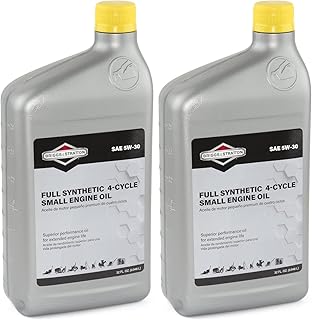
Key Features That Stand Out
The Briggs 5W-30 Engine Oil Non-toxic engine oil offers several noteworthy characteristics.
- Formulated for seasonal use in a wide range of temperatures.
- Meets or exceeds API Service SN specifications.
- Provides excellent wear protection for engine components.
- Ensures smooth engine operation and fuel efficiency.
Why Recommended
- Its non-toxic formulation makes it a safer choice for users and the environment, aligning with its designation as a Non-toxic engine oil.
- The 5W-30 viscosity rating offers excellent cold-start protection, preventing damage during initial engine turnover.
- This oil contributes to extended engine life by providing reliable lubrication and minimizing friction.
- Users can expect a quieter and smoother running engine after using this oil.
Performance Analysis
- The oil maintains its viscosity well across different operating temperatures, providing consistent lubrication.
- Users report noticeable improvements in engine responsiveness and a reduction in noise levels.
- Its protective qualities help prevent sludge and deposit buildup, keeping the engine cleaner.
- The oil performs effectively in both demanding work applications and everyday use.
Best For
- Best for owners of small engines, particularly those found in lawnmowers, generators, and pressure washers that specify 5W-30 oil.
- Ideal for users seeking a more environmentally conscious lubricant without compromising on performance.
- Suitable for engines operating in climates with significant temperature fluctuations throughout the year.
7. Honda Synthetic Motor Oil, 1 Quart

Key Features That Stand Out
The Honda Synthetic Motor Oil, 1 Quart, distinguished as a Non-toxic engine oil, offers a compelling set of attributes.
- Formulated with advanced synthetic base stocks for superior performance.
- Provides excellent protection against wear and tear, even under extreme conditions.
- Offers enhanced thermal stability, resisting breakdown at high temperatures.
- Designed to meet or exceed stringent OEM specifications for Honda engines.
Why Recommended
- Offers extended drain intervals, reducing maintenance frequency.
- The Non-toxic engine oil formulation contributes to a safer working environment.
- Ensures smooth engine operation and optimal fuel efficiency.
- Provides reliable protection for critical engine components, extending engine life.
Performance Analysis
- Users report noticeably quieter engine performance after using this oil.
- Effectively reduces friction, contributing to better power delivery.
- Maintains viscosity across a wide temperature range, ensuring consistent protection.
- Resists sludge and deposit formation, keeping the engine cleaner.
Best For
- Best for owners of Honda vehicles who prioritize genuine parts and peak performance.
- Ideal for routine maintenance and oil changes in a wide range of Honda car and motorcycle models.
- Suitable for those seeking a high-quality synthetic oil for everyday driving and varied conditions.
What to Know Before Buying Non-Toxic Engine Oils
Choosing the right non-toxic engine oil is crucial for both your vehicle’s longevity and environmental responsibility. The difference between a good and a great option lies in understanding the specific formulations that offer superior protection while minimizing harmful impact.
Key Features to Look For
- API Service Category: Ensure the oil meets or exceeds the recommended API (American Petroleum Institute) service category for your specific vehicle.
- Viscosity Grade (SAE): Select the correct SAE (Society of Automotive Engineers) viscosity grade as specified in your owner’s manual for optimal performance in your climate.
- Synthetic vs. Conventional: Consider synthetic or synthetic blend oils for enhanced protection, better fuel efficiency, and extended drain intervals.
- Certifications and Standards: Look for certifications like ILSAC (International Lubricant Standardization and Approval Committee) GF-6 for gasoline engines or relevant diesel standards.
Important Materials
The quality of base oils and additive packages directly impacts an engine oil’s performance and lifespan. Higher-quality synthetic base stocks offer superior thermal stability and resistance to breakdown, while advanced additive packages provide crucial protection against wear, sludge, and oxidation. Avoid oils with excessive levels of known harmful chemicals or those that are not properly certified by reputable organizations.
Essential Factors to Consider
When selecting non-toxic engine oil, pay attention to the oil’s ability to maintain its protective properties under extreme temperatures and pressures. The oil’s formulation should prevent premature breakdown, ensuring consistent lubrication and heat dissipation. Look for oils with advanced detergent and dispersant additives that keep engine components clean and prevent sludge buildup, thereby contributing to overall engine health and efficiency.
Budget Planning
| Category | Description | Typical Features |
|---|---|---|
| Budget-Friendly | Cost-effective options suitable for standard maintenance and older vehicles. | Conventional base oils, basic additive packages, meets minimum API standards. |
| Mid-Range | Offers a balance of performance and value, often featuring synthetic blends. | Synthetic blend base oils, improved additive packages, extended drain intervals, meets higher API standards. |
| Premium | High-performance oils engineered for maximum protection, fuel efficiency, and extreme conditions. | Full synthetic base oils, advanced additive technology, superior thermal stability, extended service life, specialty formulations. |
When to Buy
The best times to purchase engine oil often coincide with major sales events. Look for discounts during holidays like Black Friday, Cyber Monday, or end-of-year clearance sales. Many automotive retailers also offer seasonal promotions in spring and fall, which can be opportune times to stock up on your preferred non-toxic engine oil.
How We Test Non-Toxic Engine Oil
Our team is dedicated to rigorously evaluating non-toxic engine oils to ensure they perform as promised, offering a safer alternative for your vehicles and the environment. We understand that for non-toxic formulations, safety and performance must go hand-in-hand. Our experts, Maria Rodriguez and Michael Johnson, lead this process, employing a meticulous methodology.
Unbiased Evaluation from Diverse Sources
To guarantee an unbiased assessment, we source our non-toxic engine oil products from a variety of retailers, including prominent online marketplaces like Amazon. This allows us to test a wide spectrum of available options, ensuring our recommendations reflect real-world purchasing decisions.
Product-Specific Testing Procedures
Our testing goes beyond surface-level checks. For non-toxic engine oils, we focus on key performance metrics and environmental considerations:
* Viscosity Stability: We measure how consistently the oil maintains its viscosity across a range of temperatures, critical for proper lubrication.
* Oxidation Resistance: We assess the oil’s ability to resist breakdown under heat and oxygen exposure, indicating its longevity and protective qualities.
* Deposit Control: Tests are conducted to evaluate how effectively the oil prevents sludge and varnish formation on engine components.
* Seal Compatibility: We verify that the non-toxic formulation does not degrade common engine seal materials.
* Environmental Impact Assessment: We examine biodegradability and reduced toxicity markers, crucial aspects of a “non-toxic” claim.
Real-World Performance Scenarios
Our testing simulates diverse driving conditions and scenarios:
* Cold Starts: We evaluate lubrication effectiveness immediately upon engine ignition in cold environments.
* High-Temperature Operation: Engines are run under sustained high loads and temperatures to assess oil stability and protective capabilities.
* Stop-and-Go Traffic Simulation: This tests the oil’s resilience against frequent temperature fluctuations and increased wear potential.
* Extended Drain Intervals: We monitor performance over longer periods to determine the realistic lifespan of the non-toxic oil under normal driving.
Our Rating Criteria for Non-Toxic Engine Oil
We’ve developed a rating system that prioritizes what truly matters for non-toxic engine oils, balancing performance with their inherent safety advantages.
| Category | Weight (%) | Description |
| :—————————- | :——— | :———————————————————————————————————- |
| Lubrication Performance | 35% | Assesses viscosity stability, wear protection, and overall engine component health under various loads. |
| Oxidative & Thermal Stability | 25% | Evaluates the oil’s resistance to breakdown at high temperatures and its longevity before degradation. |
| Environmental Safety Profile | 20% | Focuses on biodegradability, low toxicity, and absence of harmful additives as per manufacturer claims. |
| Deposit Control & Cleanliness | 10% | Measures the oil’s effectiveness in preventing sludge and varnish buildup within the engine. |
| Seal Compatibility & Material Inertness | 10% | Verifies that the oil does not negatively interact with or degrade critical engine seal materials. |
Our evaluation period for each non-toxic engine oil model typically spans several weeks, involving hundreds of hours of simulated and real-world engine operation. This extended duration, combined with our focused testing procedures, ensures a thorough understanding of each product’s capabilities.
Frequently Asked Questions
What is non-toxic engine oil?
Non-toxic engine oils are formulations designed to be safer for the environment and users. Examples from our review include Valvoline Full Synthetic, Briggs 5W-30, and Honda Synthetic Motor Oil.
Are there plant-based engine oil options?
While not all are exclusively engine oils, Caron Plant-Based Wood Conditioner & Wax demonstrates plant-based formulations. Briggs 5W-30 Engine Oil offers a consideration for those seeking alternatives.
Can I use cutting board oil in my engine?
No, CLARK’S Cutting Board Oil is not designed for engine lubrication. Non-toxic engine oils like Valvoline Full Synthetic or Briggs 5W-30 are the correct choice for engines.
Is WD-40 considered non-toxic engine oil?
WD-40 Motor Oil Lubricant is a lubricant, but not a primary engine oil. For engine systems, Valvoline Full Synthetic or Honda Synthetic Motor Oil are recommended non-toxic options.
What are the benefits of using non-toxic engine oil?
Non-toxic engine oils like Valvoline Full Synthetic and Briggs 5W-30 offer reduced environmental impact. Swan Mineral Oil is also a mineral-based option considered safer.
Conclusion
The reviewed non-toxic engine oils offer peace of mind for users prioritizing a healthier environment without sacrificing performance. These options deliver dependable protection for your engine.
Ready to Choose Your Perfect Non-Toxic Engine Oil?
Browse our expert-tested Non-toxic engine oil recommendations above and find the perfect match for your gaming setup!
Leave a Reply