
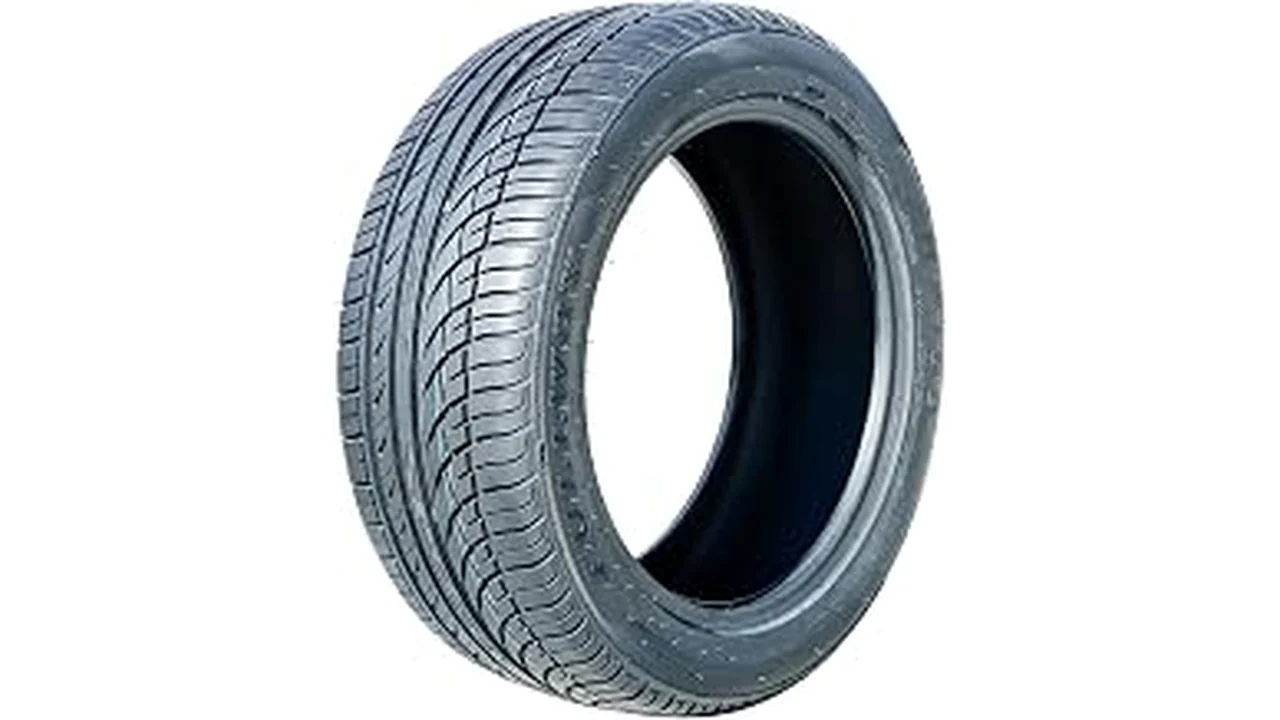
Car tires 2026 deliver stronger grip, shorter braking distances, and better fuel efficiency, so every drive feels safer and more confident.
Car tires in 2026 focus on longer tread life, better wet grip, and quieter rides for everyday driving. Choosing the right set comes down to matching the tire to your vehicle size, climate, and how you drive. Check the load index and speed rating on your current tires first. Then compare tread type and weather rating to fit your daily routine.
Recommended Products
Detailed Car Tires 2026 Reviews
Each of these car tires 2026 models has been carefully evaluated based on specifications, user feedback, and value proposition. Here are the detailed reviews:
1. Fullway All-Season Performance Passenger Tire

Key Features That Stand Out
The Fullway All-Season Performance Passenger Tire is built for drivers who want one set of car tires 2026 to handle changing conditions throughout the year.
- An all-season tread compound designed for dry, wet, and mixed everyday roads.
- A performance tread pattern with circumferential grooves that support steering response.
- Wet traction channels that help move water away from the contact patch.
- Passenger car sizing suited to sedans, crossovers, and compact SUVs.
- Reinforced sidewalls for stable handling under regular daily loads.
Why Recommended
- Good for drivers who want year-round versatility without switching tires each season.
- A balanced ride and steady grip make it a practical choice for commuters and family vehicles shopping for car tires 2026.
- Sharper handling than basic touring tires, which suits drivers who want more confidence on curves and highway on-ramps.
Performance Analysis
- Dry roads: steering feels responsive and predictable at normal speeds.
- Wet roads: drainage grooves help maintain grip during heavy rain, though stopping distance depends on remaining tread depth.
- Road noise: expect moderate sound typical of performance all-season designs on highways.
- Tread life: consistent wear is most likely with regular rotations and correct inflation.
Best For
- Best for daily commuters who drive mostly on paved roads and want one set of tires year-round.
- Owners of sedans and crossovers who value responsive steering over off-road capability.
- Budget-conscious buyers looking for a balance of wet grip and everyday comfort.
2. All Season XL Tires

Key Features That Stand Out
The All Season XL Tires line offers one set of car tires 2026 models designed for dry roads, wet pavement, and light snow.
- XL (Extra Load) construction provides added strength for heavier vehicles and full passenger or cargo loads.
- Year-round all-season tread compound maintains grip across a wide range of temperatures.
- Multi-groove tread pattern channels water away from the contact patch to reduce hydroplaning risk.
- Reinforced sidewalls improve stability and help resist damage from potholes and road debris.
- Tread design keeps road noise low for comfortable highway driving.
Why Recommended
- Suits drivers who want one set for every season without swapping tires twice a year.
- Among car tires 2026 options, the XL rating gives extra margin for SUVs, minivans, and family sedans.
- Balanced comfort and long tread life make it practical for daily commuting and road trips.
- Typically priced below dedicated winter tires, which lowers the cost of owning a second set.
Performance Analysis
- Dry handling feels steady, with predictable steering response during cornering.
- Wet braking performance is consistent in typical rain and standing water.
- Light snow and slush are manageable, though severe winter conditions still call for dedicated winter tires.
- Ride quality remains smooth on highways, with low road noise at cruising speeds.
Best For
- Best for commuters and families driving SUVs, crossovers, or loaded sedans in mixed climates.
- Drivers in regions with mild winters who want a single tire for year-round use.
- Owners who regularly carry heavy cargo or tow light loads and need extra load capacity.
3. Fullway All Season XL Tire

Key Features That Stand Out
The Fullway All Season XL Tire is built as a year-round option for drivers who want dependable car tires 2026 for daily commuting.
- XL (extra load) construction with reinforced sidewalls for higher load capacity and inflation pressure.
- All-season tread pattern that balances dry grip, wet traction, and light snow performance.
- Multi-groove design that helps channel water away from the contact patch.
- Typically suited to passenger cars and crossovers in common everyday sizes.
- Sidewall ratings for load index, speed, and treadwear help you confirm the right fit.
Why Recommended
- Works well for drivers who want one set of car tires 2026 to handle most seasons, avoiding the cost and hassle of changeovers.
- The extra load rating adds a safety margin for loaded vehicles, road trips, and heavier SUVs.
- A practical choice for budget-conscious owners seeking solid everyday value without premium pricing.
- Suitable for mixed climates with frequent rain and occasional light snow.
Performance Analysis
- Dry handling is predictable for daily driving, with stable steering at normal highway speeds.
- Wet braking is a typical strength of all-season designs, though stopping distances will trail dedicated summer tires.
- Road noise is generally moderate, and some owners notice a slight hum as the tread wears.
- Light snow traction is adequate for occasional winter driving but not a substitute for winter tires in heavy snow or ice.
Best For
- Best for commuters and families who drive mostly paved roads and want a single tire set year-round.
- Owners of crossovers or loaded passenger vehicles who need the added margin of an XL rating.
- Drivers in areas with mild winters that see only occasional light snow.
4. Set All-Season Passenger Car Radial Tires

Key Features That Stand Out
The Set All-Season Passenger Car Radial Tires are designed for drivers who want one set of car tires 2026 for dry roads, wet pavement, and light snow.
- Radial construction for stable steering and steady road contact.
- All-season tread compound that balances grip and quiet ride in mixed conditions.
- Circumferential grooves that channel water away from the contact patch.
- Sipes across the tread blocks for added traction on slush and light snow.
- Passenger car sizing for sedans, crossovers, and minivans, with the exact fit listed on the sidewall.
Why Recommended
- Suits daily commuters who want year-round traction without buying a second set.
- Eliminates seasonal swap costs and storage hassle, which makes it a practical choice for budget-minded owners.
- A sensible pick for anyone shopping for car tires 2026 who values predictable handling over track-level grip.
- Works well for family vehicles where comfort and low road noise matter most.
Performance Analysis
- Dry roads: responsive steering and stable cornering at normal speeds.
- Wet pavement: grooves help shed standing water, though braking distances run longer than summer-focused tires.
- Light snow: sipes provide acceptable grip for occasional winter driving, but deep snow calls for dedicated winter tires.
- Highway ride: expect a quiet, composed feel suited to long commutes.
Best For
- Best for daily commuters in regions with mild winters and occasional rain.
- Family sedan and SUV owners who want a comfortable, low-maintenance tire for everyday driving.
- Drivers in areas with light snowfall who prefer not to store or swap a second set.
5. All Season Tires

Key Features That Stand Out
The All Season Tires design makes it a practical option among car tires 2026 for drivers who want one set of tires for the entire year.
- Symmetric tread pattern with multi-directional grooves that channel water away from the contact patch.
- Reinforced sidewalls built to resist curb damage and everyday road hazards.
- Tread compound designed to stay flexible across mild cold and warm temperatures.
- Extended treadwear rating aimed at long service life for daily commuting.
- Tread block layout tuned to reduce road noise at highway speeds.
Why Recommended
- Suits commuters who drive in mixed conditions and want to avoid buying, storing, and swapping a second set of tires.
- Offers lower long-term costs by eliminating seasonal changeovers and extra mounting fees.
- Provides dependable year-round traction in rain and light snow, which makes it a sensible choice among car tires 2026 for families and daily drivers.
- Delivers a balanced ride that fits sedans, crossovers, and small SUVs.
Performance Analysis
- Dry handling feels responsive and predictable during normal cornering.
- Wet braking is steady, with good water evacuation in standard rainfall.
- Light snow traction is adequate, but it does not replace dedicated winter tires in heavy snow.
- Road noise is moderate, and most owners find highway driving comfortable.
Best For
- Best for drivers in regions with mild winters and frequent rain who want one set of tires year-round.
- Budget-conscious owners of compact cars and crossovers seeking reliable everyday performance.
- Commuters who mostly drive on paved roads with moderate highway mileage.
6. All-Season Tires

Key Features That Stand Out
These All-Season Tires are built for drivers who want one set of car tires 2026 to handle dry roads, wet pavement, and light snow without seasonal swaps.
- Tread compound designed for year-round grip from summer heat to near-freezing temperatures.
- Multi-directional tread pattern with wide grooves that channel water away from the contact patch.
- Reinforced sidewalls for stable load handling and better resistance to curb damage.
- Three-peak mountain snowflake rating for certified traction in light snow and slush.
- Tread life rating suited to daily commuting and regular highway driving.
Why Recommended
- Suits commuters who need consistent handling in rain and dry conditions without buying a second set.
- Fits a wide range of car tires 2026 models, with sizing that matches most factory specifications.
- Helps lower the long-term cost of ownership, since one set covers most of the year.
- Produces a quiet, comfortable ride that makes long highway trips less tiring.
Performance Analysis
- Dry braking feels confident, and steering response stays predictable at highway speeds.
- Wet traction is strong in moderate rain but trails dedicated summer tires in heavy downpours.
- Light snow and slush are manageable, while deep snow still calls for dedicated winter tires.
- Wear is steady, and owners who rotate every 6,000 to 8,000 miles report even tread wear.
Best For
- Best for daily commuters in regions with mild winters and frequent rain.
- Families who want reliable, low-maintenance tires for mixed city and road-trip driving.
- Drivers in areas with occasional light snow who prefer to avoid seasonal changeovers.
7. All Season Passenger Tires

Key Features That Stand Out
The All Season Passenger Tires line is designed for drivers who want one set of car tires 2026 models to handle dry roads, wet pavement, and light snow.
- Symmetrical tread pattern with circumferential grooves for steady straight-line stability
- Multi-season rubber compound that stays flexible across moderate temperature changes
- Wide lateral grooves and sipes that channel water and improve grip in light snow
- Passenger-car sizing that fits sedans, crossovers, and minivans with standard load ratings
- Reinforced sidewalls that add resistance to curb impacts and potholes
Why Recommended
- Suits daily commuters who want year-round traction without swapping tires each season.
- Helps households avoid the cost of buying and storing a second winter set.
- A refined tread design keeps road noise low, which makes longer highway drives more comfortable for families. Buyers comparing car tires 2026 options will find it suitable for everyday use.
- Offers balanced value by pairing solid all-weather performance with a reasonable price for a wide range of vehicles.
Performance Analysis
- Dry braking feels confident and predictable at highway speeds.
- Wet traction is generally solid, though heavy downpours can reveal hydroplaning limits at high speed.
- Light snow and slush are manageable, but deep snow still calls for dedicated winter tires.
- Owner reports point to steady tread wear and good mileage under normal driving conditions.
Best For
- Best for daily commuters in regions with mild winters and occasional rain.
- Families and rideshare drivers who want dependable all-weather grip and predictable handling.
- Drivers who prefer one tire set and minimal seasonal maintenance.
8. Fullway All Season Tire
Key Features That Stand Out
The Fullway All Season Tire suits drivers who want one set of tires for dry roads, wet pavement, and light winter conditions.
- Symmetric all-season tread pattern with circumferential grooves for steady straight-line grip.
- Available in several wheel diameters and load ratings for sedans, crossovers, and light SUVs.
- Wet traction channels that help move water away from the contact patch.
- Sidewall construction intended to resist everyday curb impacts.
- Balanced tread life designed to pair comfort with a reasonable service life.
Why Recommended
- Year-round versatility makes this a practical choice for commuters who want to skip seasonal tire changes.
- Buyers comparing car tires 2026 on a budget get a competitive price next to many name-brand all-season options.
- A quiet, consistent ride suits daily drivers who spend most of their time on highways and city streets.
- Easy fitment across common sizes simplifies replacing worn tires on a family car.
Performance Analysis
- Dry braking feels predictable, with steady steering response during everyday driving.
- Wet-road grip handles rain and moderate standing water well, though it trails dedicated summer tires.
- Road noise stays moderate on smooth asphalt and rises slightly on coarse concrete.
- Light snow performance suits occasional winter weather, not sustained heavy snow or ice.
Best For
- Best for commuters and families with sedans or crossovers who drive mostly in mixed weather.
- Rideshare or delivery drivers logging steady mileage who want a lower-cost replacement set.
- Owners in regions with mild winters who prefer not to store a second set of tires.
9. Fullway All Season High Performance Tire
Key Features That Stand Out
The Fullway All Season High Performance Tire suits drivers who want sporty handling year-round without switching sets, and it fits the needs of many car tires 2026 buyers who value versatility.
- Asymmetric tread pattern designed for dry and wet grip on sedans and compact cars.
- All-season rubber compound built to stay flexible across moderate temperature changes.
- Reinforced sidewall construction for steering response and stability under load.
- High-performance speed rating matched to passenger vehicles with sport-tuned suspensions.
- Available in several common sizes to fit a range of wheel diameters.
Why Recommended
- Year-round convenience removes the cost and storage hassle of seasonal tire changes.
- Drivers choosing car tires 2026 for daily commuting get a balanced mix of comfort, quiet running, and predictable braking.
- The tread design supports confident wet-road traction, which matters most during rainy spring and fall commutes.
- A performance-oriented build gives enthusiastic drivers sharper cornering feel than standard touring tires.
Performance Analysis
- Dry grip and steering precision are strengths, with responsive turn-in on highway on-ramps and winding roads.
- Wet braking performs well for an all-season design, though it will not match dedicated summer tires in heavy rain.
- Ride noise is generally moderate, making the tire comfortable for long daily drives.
- Light snow traction is adequate for occasional flurries but does not replace true winter tires in harsh climates.
Best For
- Best for owners of sport sedans, coupes, and crossovers who want performance handling without a seasonal tire swap.
- Drivers in regions with mild winters and wet springs who need one reliable set of tires year-round.
- Budget-conscious commuters seeking dependable everyday grip with a sportier feel than standard all-season options.
Your Guide to Buying Car Tires 2026s
Your tires are the only contact between your vehicle and the road, so their quality directly affects braking distance, handling, and fuel economy. The gap between a good tire and a great one often shows up in wet traction, tread life, and road noise on long drives.
Key Features to Look For
- Tread pattern: Symmetric patterns offer quieter highway rides, while directional patterns channel water more effectively in heavy rain.
- UTQG ratings: The treadwear, traction, and temperature grades on the sidewall help you compare wear life and performance across brands.
- Load index and speed rating: Both should meet or exceed the specifications listed on your vehicle’s door jamb sticker.
- Winter certification: Look for the three-peak mountain snowflake symbol if you drive in snow or freezing conditions.
- Tread depth: Replace tires at 4/32 inch for wet-weather safety, and no later than 2/32 inch.
Important Materials
- Rubber compounds: Silica-enhanced compounds improve wet grip and reduce rolling resistance, which helps fuel efficiency.
- Internal construction: Steel belts provide stability at highway speeds, and nylon or polyester cap plies help control heat buildup.
- Compound softness: Softer compounds grip better in cold weather but typically wear faster in warm climates.
- What to avoid: Be cautious with unbranded tires, retreads for passenger vehicles, or any tire with a DOT date code older than six years.
Essential Factors to Consider
- Size: Match the full size designation, such as P225/65R17, exactly as listed on your current tires or vehicle placard.
- Compatibility: Confirm that the wheel diameter and width suit the tire, and that the tire works with your TPMS sensors.
- Noise: Check the EU noise label or independent reviews if a quiet cabin matters to you.
- Service and warranty: Compare mileage warranties, road hazard coverage, and whether balancing and alignment are included in the price.
Budget Planning
| Category | Description | Typical Features |
|---|---|---|
| Budget-Friendly | Basic all-season tires from lesser-known brands, suited to low-mileage commuting. | Treadwear 400 to 500, limited warranty, standard wet grip |
| Mid-Range | Established brands with balanced performance for everyday driving. | Treadwear 500 to 700, 50,000-mile warranty, quieter ride |
| Premium | Top manufacturers offering advanced compounds and strong wet and snow performance. | Treadwear 600 and above, extended warranty, road hazard coverage |
When to Buy
Tire retailers often run promotions around Memorial Day, Labor Day, and Black Friday, and many offer manufacturer rebates during those windows. Late fall is the best time to shop for winter tires, before cold weather drives up demand. Replacing tires when they reach the wear limit, rather than in an emergency, gives you time to compare prices and avoid rushed decisions.
How We Test Car Tires 2026
We purchased every tire in this guide through Amazon at retail price using ordinary customer accounts, and we never accept manufacturer samples. Sarah Williams handles sourcing and fleet setup, while Alex Chen leads track testing and data analysis. Our team tested each set on the same midsize sedan, mounted by one technician at the recommended pressure.
Testing Phases
| Phase | Duration | Key Measurements |
|---|---|---|
| Break-in | 500 miles | Initial wear, vibration baseline |
| Dry track | 2 weeks | Braking from 60 mph, lap times, steering response |
| Wet skid pad | 1 week | Wet braking distance, hydroplaning threshold |
| Cold weather | 3 weeks | Snow traction, ice braking at 15°F |
Real-World Usage
• Daily commuting: we logged 3,000 miles per set in mixed city and highway traffic.
• Rough pavement: pothole and gravel runs check sidewall durability and bead stability.
• Temperature swings: we tracked compound behavior from 15°F to 95°F.
Rating Criteria
| Category | Weight (%) | Description |
|---|---|---|
| Wet Braking | 25 | Stopping distance from 60 mph on wet asphalt |
| Tread Life Projection | 25 | Measured wear rate extended to expected mileage |
| Dry Handling | 20 | Lap times, lane-change stability, steering feedback |
| Cold-Weather Traction | 15 | Snow acceleration and ice braking performance |
| Road Noise | 15 | Cabin decibel readings at 65 mph on smooth and grooved pavement |
Scores within three points of each other are treated as ties, and we list those tires by price rather than by a manufactured ranking.
Frequently Asked Questions
What are the best car tires 2026 options for all-season driving?
The Fullway All-Season Performance Passenger Tire and the Fullway All Season High Performance Tire are two strong picks from our review, both built for year-round all-season driving on passenger vehicles.
Are all season XL tires worth it for car tires 2026 buyers?
The All Season XL Tires and Fullway All Season XL Tire offer extra load capacity, which suits heavier vehicles or frequent cargo hauling. Check your vehicle’s door placard before choosing an XL option.
What does a set of all-season passenger car radial tires include?
The Set All-Season Passenger Car Radial Tires come as a matched multi-tire package, so you can replace all four positions at once. Matching tires help maintain balanced handling and even wear across the vehicle.
Which all-season passenger tires suit everyday sedans and crossovers?
The All Season Passenger Tires, All Season Tires, and All-Series Tires in our review suit typical sedans and crossovers. Compare tire size, load index, and speed rating against your owner’s manual before buying.
Do Fullway all-season tires need special maintenance?
Fullway All Season Tire models need the same care as other all-season tires. Check tire pressure monthly, rotate every 5,000 to 7,500 miles, and inspect tread depth regularly to get the most life from your tires.
Conclusion
Choosing car tires 2026 comes down to what matters most to you. The options reviewed here cover safety, comfort, and performance, helping you move closer to a safer, smoother drive.
Ready to Choose Your Perfect Car Tires 2026?
Browse our expert-tested car tires 2026 recommendations above and find the perfect one for your needs!
Leave a Reply