
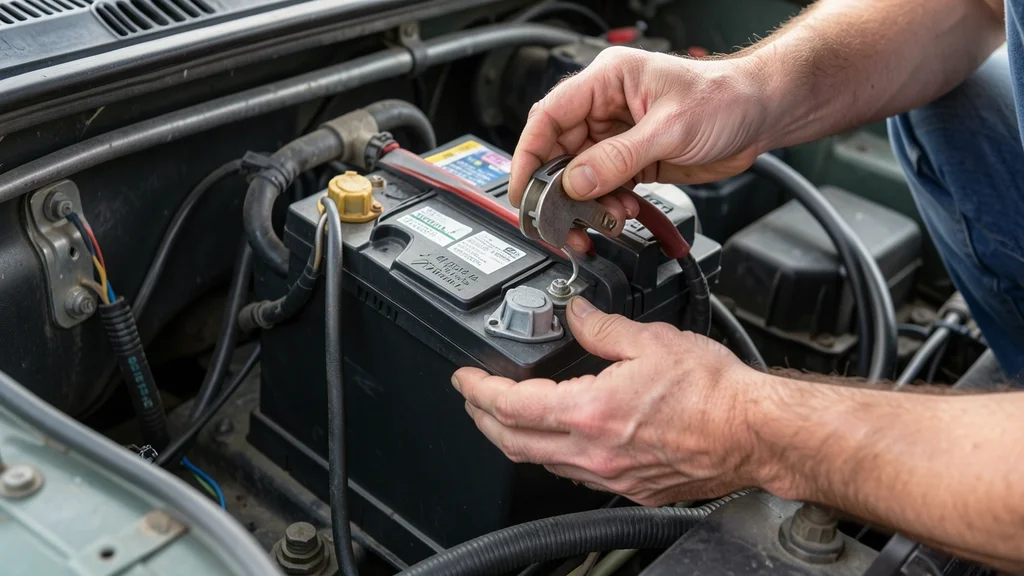
If your car struggles to start or the battery light flickers, you may wonder can a alternator go bad if install battery bad. The truth is a failing battery can damage your alternator over time, creating a domino effect in your vehicle’s electrical system. This guide explains how a bad battery impacts the alternator, signs to watch for, and how to prevent costly repairs.
Yes a bad battery can damage your alternator because the alternator works harder to charge a weak battery leading to overheating and premature failure. Replacing a failing battery early protects the alternator and extends its lifespan.
How a Bad Battery Affects Your Alternator
A car’s alternator and battery work together to power electrical components and recharge the battery while driving. When the battery is weak or failing, the alternator compensates by producing more current to keep the battery charged. This overworking generates excessive heat, which can wear out the alternator’s internal components faster.
Modern alternators are designed to handle normal charging loads, but a bad battery forces them into overdrive. Over time, this strain can lead to diode failure, bearing wear, or even a complete alternator breakdown. The alternator may also struggle to maintain consistent voltage, causing flickering lights, a weak radio signal, or difficulty starting the engine.
- Increased alternator load: A weak battery demands more current, forcing the alternator to work harder.
- Overheating risk: Excessive current production generates heat, which can damage alternator parts.
- Voltage instability: A failing battery can cause voltage spikes or drops, harming the alternator.
- Premature wear: Constant strain shortens the alternator’s lifespan, leading to costly replacements.
- Electrical system strain: Other components like the starter or fuses may also suffer from inconsistent power.
Signs Your Alternator Is Struggling Due to a Bad Battery
Recognizing the early warning signs can save you from a complete alternator failure. If your battery is bad, watch for these symptoms that indicate your alternator is under stress:
- Dim or flickering headlights: The alternator may not supply enough power to keep lights bright, especially at idle.
- Battery warning light on the dashboard: This light often appears when the alternator struggles to charge the battery.
- Slow engine cranking: A weak battery forces the alternator to work harder, leading to sluggish starts.
- Electrical accessories malfunctioning: Power windows, radio, or AC may work intermittently due to inconsistent voltage.
- Burning smell from the engine bay: Overheating alternator components can produce a distinct electrical burning odor.
Warning: Ignoring these signs can lead to a complete alternator failure, leaving you stranded. Address battery issues immediately to avoid further damage.
How to Test if Your Battery Is Damaging the Alternator
If you suspect your battery is causing alternator problems, perform these tests to confirm the issue. You’ll need a multimeter, a basic tool that measures electrical voltage, resistance, and current. These tests help determine whether the battery or alternator is the root cause.
Start by testing the battery voltage with the engine off. A healthy battery should read between 12.4 and 12.7 volts. If it’s below 12.4 volts, the battery may be weak or failing.
Next, start the engine and test the voltage at the battery terminals again. A properly functioning alternator should produce between 13.8 and 14.4 volts. If the voltage is outside this range, the alternator may be overworking or failing.
| Test | Expected Reading | Issue Indicated |
|---|---|---|
| Battery voltage (engine off) | 12.4 – 12.7 volts | Low voltage: Weak or dead battery |
| Battery voltage (engine on) | 13.8 – 14.4 volts | Low voltage: Bad alternator or battery |
| Voltage drop test (cranking) | Above 10 volts | Below 10 volts: Weak battery or starter issue |
Performing these tests will help you pinpoint whether the battery or alternator is the culprit. If the battery is weak, replacing it may prevent further damage to the alternator.
Can a Bad Alternator Ruin a New Battery
The relationship between the alternator and battery is a two-way street. Just as a bad battery can damage an alternator, a failing alternator can ruin a new battery. If the alternator isn’t charging the battery properly, the battery will gradually lose its charge and may not hold power, even if it’s brand new.
An alternator that produces too much voltage (overcharging) can also damage a battery by causing it to overheat and lose electrolyte fluid. On the other hand, an undercharging alternator will leave the battery chronically undercharged, leading to sulfation—a condition where sulfur builds up on the battery plates, reducing its ability to hold a charge.
- Overcharging: Excessive voltage from the alternator can boil the battery’s electrolyte, shortening its lifespan.
- Undercharging: Insufficient voltage prevents the battery from fully charging, leading to sulfation.
- Inconsistent charging: Fluctuating voltage can cause the battery to degrade faster.
- Electrical system strain: A failing alternator can cause voltage spikes that damage sensitive electronics.
Tip: If you install a new battery, test the alternator first to ensure it’s charging correctly. This prevents the new battery from being damaged by a faulty alternator.
Step by Step Guide to Protect Your Alternator from a Bad Battery
Prevention is the best way to avoid alternator damage from a bad battery. Follow these steps to protect your alternator and extend its lifespan:
- Regular battery testing: Test your battery’s voltage every 3-6 months to catch issues early. Use a multimeter or visit an auto parts store for a free test.
- Replace the battery when needed: If your battery is weak or failing, replace it immediately to prevent strain on the alternator.
- Clean battery terminals: Corrosion on battery terminals can increase resistance, forcing the alternator to work harder. Clean terminals with a battery cleaner or baking soda solution.
- Inspect the charging system: If you notice electrical issues, have a mechanic inspect the alternator, battery, and wiring for problems.
- Drive regularly: Short trips don’t allow the alternator enough time to fully recharge the battery. Drive your car for at least 20-30 minutes weekly to maintain a healthy charge.
| Maintenance Task | Frequency | Benefit |
|---|---|---|
| Test battery voltage | Every 3-6 months | Prevents alternator strain |
| Clean battery terminals | Every 6 months | Reduces electrical resistance |
| Inspect charging system | Annually | Catches issues early |
Regular maintenance ensures your battery and alternator work together efficiently, preventing costly repairs.
Common Mistakes That Damage Alternators
Many car owners unknowingly damage their alternators by making simple mistakes. Avoid these common pitfalls to keep your alternator in top condition:
- Ignoring battery issues: Driving with a weak or dead battery forces the alternator to overwork, leading to premature failure.
- Jump-starting incorrectly: Connecting jump leads in the wrong order can cause voltage spikes that damage the alternator.
- Using incompatible batteries: A battery with the wrong capacity or type can strain the alternator, reducing its lifespan.
- Overloading the electrical system: Adding aftermarket accessories like high-powered stereos or lights without upgrading the alternator can overload it.
- Neglecting belt maintenance: A loose or worn drive belt can cause the alternator to work inefficiently, leading to overheating.
Important: Always follow your vehicle manufacturer’s guidelines for battery and alternator specifications to avoid compatibility issues.
When to Replace Your Alternator or Battery
Knowing when to replace your alternator or battery can save you from unexpected breakdowns. Here are the key signs it’s time for a replacement:
Alternator Replacement Signs
- No power to accessories: If your radio, lights, or other electrical components stop working, the alternator may be failing.
- Dead battery after a jump-start: If your battery dies shortly after a jump-start, the alternator may not be charging it properly.
- Grinding or whining noises: A failing alternator bearing can produce unusual noises, signaling it’s time for a replacement.
- Burning smell: Overheating alternator components can produce a distinct burning odor.
Battery Replacement Signs
- Slow engine crank: If your engine cranks slowly when starting, the battery may be weak or failing.
- Swollen battery case: A swollen battery is a clear sign of internal damage and should be replaced immediately.
- Corroded terminals: Excessive corrosion on battery terminals can indicate a failing battery or poor connection.
- Age: Most car batteries last 3-5 years. If your battery is older, it may be time for a replacement.
| Component | Average Lifespan | Replacement Cost |
|---|---|---|
| Battery | 3-5 years | $100 – $250 |
| Alternator | 5-7 years or 100,000 miles | $300 – $800 |
Replacing these components at the right time ensures your car’s electrical system remains reliable.
Frequently Asked Questions
Can a bad alternator cause a battery to die?
Yes, a failing alternator cannot properly charge the battery, leading to a dead battery over time. If the alternator fails completely, the battery will eventually drain, leaving your car without power.
How long can a car run with a bad alternator?
A car can typically run for 30 minutes to an hour on battery power alone if the alternator fails. However, this depends on the battery’s charge and the electrical load from accessories like lights or the radio.
Will a new battery fix an alternator problem?
No, a new battery will not fix an alternator problem. If the alternator is failing, it won’t charge the new battery properly, and the battery will eventually die. You’ll need to replace the alternator to resolve the issue.
Can a bad battery cause a check engine light?
Yes, a weak or failing battery can trigger the check engine light, especially in modern vehicles with sensitive electrical systems. Low voltage can cause the engine control unit (ECU) to malfunction, leading to error codes.
How much does it cost to replace an alternator?
The cost to replace an alternator varies depending on the make and model of your car. On average, you can expect to pay between $300 and $800 for parts and labor. Luxury or high-performance vehicles may cost more.
Final Thoughts
A bad battery can indeed damage your alternator by forcing it to work harder than designed. Recognizing the signs of a failing battery and addressing them early can prevent costly alternator repairs. Regular maintenance, such as testing your battery and cleaning terminals, goes a long way in protecting your car’s electrical system.
If you notice warning signs, act quickly to avoid being stranded with a dead battery or a failed alternator.
Leave a Reply