
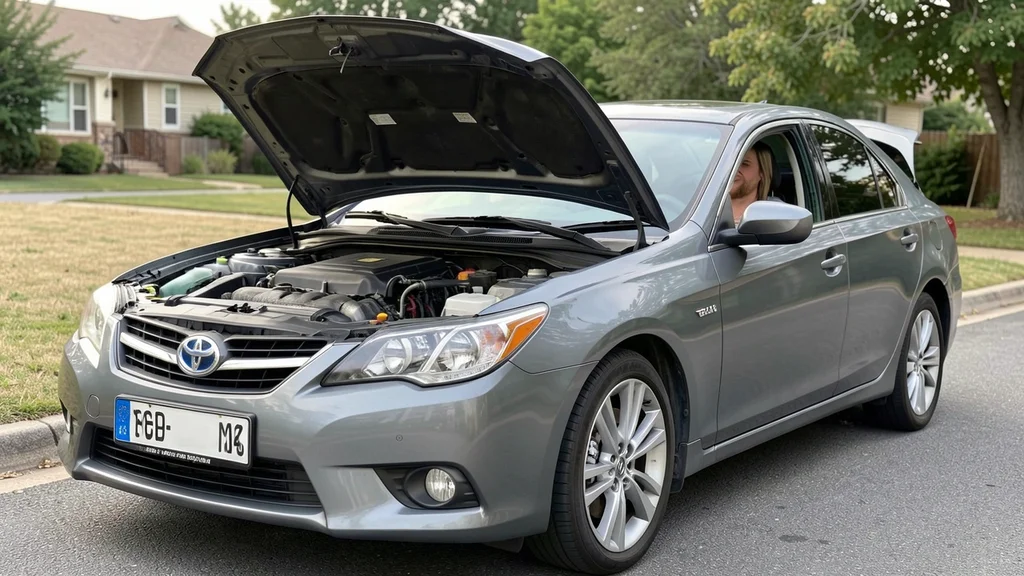
If your car’s battery light comes on, you may wonder can you run without alternator safely. The alternator keeps your battery charged while the engine runs, so driving without it is risky but possible for a short time. This guide explains how long you can drive, the warning signs to watch for, and what to do if your alternator fails.
You can drive without an alternator for about 30 minutes to an hour depending on battery charge and electrical load. The car will run until the battery drains completely, then stall.
How Long Can a Car Run Without an Alternator
The exact time depends on several factors. A healthy battery typically holds enough charge to power essential systems for 30-60 minutes of driving. However, this varies based on:
- Battery condition: Newer batteries last longer than old or weak ones
- Electrical load: Headlights, AC, and stereo drain the battery faster
- Driving conditions: Stop-and-go traffic uses more power than highway driving
- Vehicle type: Modern cars with more electronics drain batteries quicker
According to AAA, most vehicles will run for about 25-40 miles after alternator failure if you turn off all non-essential systems. The battery warning light will illuminate as soon as the alternator stops charging.
Warning: Driving with a dead alternator can leave you stranded. The battery will eventually drain completely, causing the engine to stall.
Signs Your Alternator Is Failing
Recognizing alternator problems early can prevent being stranded. These warning signs typically appear before complete failure:
- Battery warning light: The most obvious sign, often shaped like a battery or “ALT”
- Dim headlights: Lights that flicker or dim, especially at idle
- Electrical issues: Power windows, seats, or stereo working intermittently
- Engine stalling: The car dying unexpectedly while driving
- Strange noises: Whining or grinding from the alternator area
- Battery not holding charge: Needing frequent jump starts
- Burning smell: The smell of burning rubber or wires near the alternator
| Symptom | Likely Cause | Severity |
|---|---|---|
| Battery light on | Alternator not charging | High |
| Dim headlights | Low voltage output | Medium |
| Electrical accessories failing | Insufficient power | High |
| Engine stalling | Complete alternator failure | Critical |
If you notice one or more of these symptoms, have your charging system tested immediately. Most auto parts stores will check it for free.
What Happens When You Drive Without an Alternator
Once the alternator fails, your car’s electrical system relies solely on the battery. Here’s what happens in sequence as the battery drains:
- First 10-15 minutes: All systems work normally. The battery light comes on.
- 15-30 minutes: Non-essential systems begin to fail. Power windows may move slowly, stereo cuts out.
- 30-45 minutes: Headlights dim significantly. Power steering may become stiff in some vehicles.
- 45-60 minutes: Engine begins to misfire as the ECU loses power. The car may stall at stops.
- 60+ minutes: Complete electrical failure. The engine stalls and won’t restart without a jump.
Modern fuel-injected cars will typically die sooner than older carbureted models because they rely entirely on electrical systems. According to the National Highway Traffic Safety Administration, electrical failures account for about 5% of all vehicle breakdowns.
Tip: If your alternator fails, turn off ALL non-essential electrical systems immediately to maximize your driving time.
How to Maximize Driving Time Without an Alternator
If you must drive with a failed alternator, these steps can help you get further before the battery dies:
- Turn off all accessories: AC, stereo, interior lights, phone chargers
- Drive during daylight: Avoid using headlights if possible
- Use manual windows: Don’t use power windows or seats
- Drive at steady speeds: Avoid stop-and-go traffic that uses more power
- Unplug devices: Remove any phone chargers or GPS units
- Avoid idling: Keep the engine running at higher RPMs when possible
| Action | Power Saved | Estimated Extra Time |
|---|---|---|
| Turn off AC | 5-10 amps | 10-15 minutes |
| Turn off headlights | 8-12 amps | 15-20 minutes |
| Turn off stereo | 3-5 amps | 5-10 minutes |
| Unplug phone charger | 1-2 amps | 2-5 minutes |
Remember that these are estimates. The actual time gained depends on your battery’s condition and capacity. A typical car battery has about 40-60 amp-hours of capacity.
What to Do When Your Alternator Fails While Driving
If your battery light comes on while driving, follow these steps to safely handle the situation:
- Stay calm: You likely have 30-60 minutes of driving time
- Turn off accessories: Immediately switch off non-essential electrical systems
- Head to safety: Drive directly to a repair shop or safe location
- Avoid stopping: If possible, don’t turn off the engine until you reach your destination
- Call for help: If you’re far from assistance, call a tow truck or roadside service
- Don’t jump start: Jumping a car with a bad alternator won’t help and may damage the other vehicle
If your car stalls, try to restart it immediately. Once the battery is completely dead, it may not have enough power to turn the engine over. According to the Automobile Association of America, they respond to over 4 million battery-related calls annually.
Important: Never attempt to jump-start a car with a known bad alternator. This can damage the other vehicle’s electrical system.
Can You Damage Your Car by Driving Without an Alternator
Driving with a failed alternator won’t damage the engine itself, but it can cause several problems:
- Complete battery drain: Deeply discharging a battery can shorten its lifespan
- ECU reset: Some vehicles may need to relearn fuel trims after a complete power loss
- Stranding risk: You may be left in an unsafe location when the car finally stalls
- Electrical system stress: Voltage spikes can damage sensitive electronics
- Starter motor damage: Repeated attempts to start with a dead battery can overheat the starter
Modern vehicles are particularly vulnerable because they rely on computers for nearly all functions. The Society of Automotive Engineers reports that electrical system failures are among the top causes of unexpected vehicle breakdowns.
How to Test if Your Alternator Is Bad
You can perform some basic tests to check your alternator’s health before it leaves you stranded:
- Visual inspection: Look for loose connections, corrosion, or damage to the alternator
- Battery light test: The light should come on when you turn the key to accessory, then go off when the engine starts
- Voltage test: With the engine running, measure voltage at the battery. Should be 13.8-14.4 volts
- Load test: Have an auto parts store perform a free charging system test
- Noise test: Listen for unusual noises from the alternator area
| Test | Good Alternator | Bad Alternator |
|---|---|---|
| Battery light | Off when running | On when running |
| Voltage at battery | 13.8-14.4V | 12.6V or less |
| Headlights at idle | Bright and steady | Dim or flickering |
| Noise | None | Whining or grinding |
For the most accurate diagnosis, use a digital multimeter to test voltage at the battery with the engine running. A properly functioning alternator should maintain between 13.8 and 14.4 volts.
Alternator Replacement Cost and Time
If your alternator has failed, here’s what you can expect for replacement:
- Parts cost: $100-$300 depending on vehicle make and model
- Labor cost: $100-$200 (typically 1-2 hours of labor)
- Total cost: $200-$500 on average
- Time required: 1-3 hours depending on vehicle and shop workload
- Warranty: Most new alternators come with 1-2 year warranties
| Vehicle Type | Alternator Cost | Labor Cost | Total Estimated Cost |
|---|---|---|---|
| Compact car | $100-$150 | $100-$150 | $200-$300 |
| Midsize car | $150-$200 | $120-$180 | $270-$380 |
| SUV/Truck | $200-$300 | $150-$200 | $350-$500 |
| Luxury car | $250-$400 | $180-$250 | $430-$650 |
Some vehicles have alternators that are more difficult to access, which can increase labor costs. Always get a quote before authorizing the work. According to RepairPal, the average alternator replacement cost across all vehicles is about $400.
Tip: Some auto parts stores offer free alternator testing and may even install it for free if you buy the part from them.
How to Prevent Alternator Failure
While alternators do wear out over time, proper maintenance can extend their lifespan significantly:
- Regular battery checks: A weak battery forces the alternator to work harder
- Clean connections: Corrosion on battery terminals can strain the charging system
- Avoid deep discharges: Don’t run electronics with the engine off
- Check belt tension: A loose or worn serpentine belt can damage the alternator
- Listen for warnings: Address any unusual noises immediately
- Regular inspections: Have your charging system checked during routine maintenance
Most alternators last between 80,000 and 150,000 miles, or about 7-10 years. Extreme temperatures, both hot and cold, can shorten this lifespan. According to the Car Care Council, proper vehicle maintenance can prevent up to 80% of unexpected breakdowns.
Frequently Asked Questions
How far can I drive with a bad alternator?
You can typically drive about 25-40 miles with a bad alternator if you turn off all non-essential systems. The exact distance depends on your battery’s condition and the electrical load. It’s best to drive directly to a repair shop or safe location.
Can a car run on just the battery?
Yes, a car can run on just the battery for a short time, usually 30-60 minutes. The battery provides all electrical power when the alternator fails, but it will eventually drain completely, causing the engine to stall.
Will a new battery fix an alternator problem?
No, a new battery won’t fix a bad alternator. The alternator charges the battery while the engine runs. If the alternator is bad, the new battery will eventually drain just like the old one.
You need to replace the alternator to fix the charging system.
How do I know if it’s my battery or alternator?
The easiest way is to test the voltage at the battery with the engine running. If it’s between 13.8-14.4 volts, the alternator is likely fine. If it’s 12.6 volts or less, the alternator may be bad.
Also, if the car starts but then dies, it’s usually the alternator.
Can I jump start a car with a bad alternator?
You can jump start a car with a bad alternator to get it running, but the battery will drain again once you remove the jumper cables. It’s not recommended to jump start a car with a known bad alternator as it may damage the other vehicle’s electrical system.
Final Thoughts
While you can you run without alternator for a short time, it’s not recommended. The battery will eventually drain, leaving you stranded. If your battery light comes on, drive directly to a repair shop while minimizing electrical use.
Proper maintenance and prompt attention to warning signs can prevent alternator failure and keep you safely on the road.
Leave a Reply