
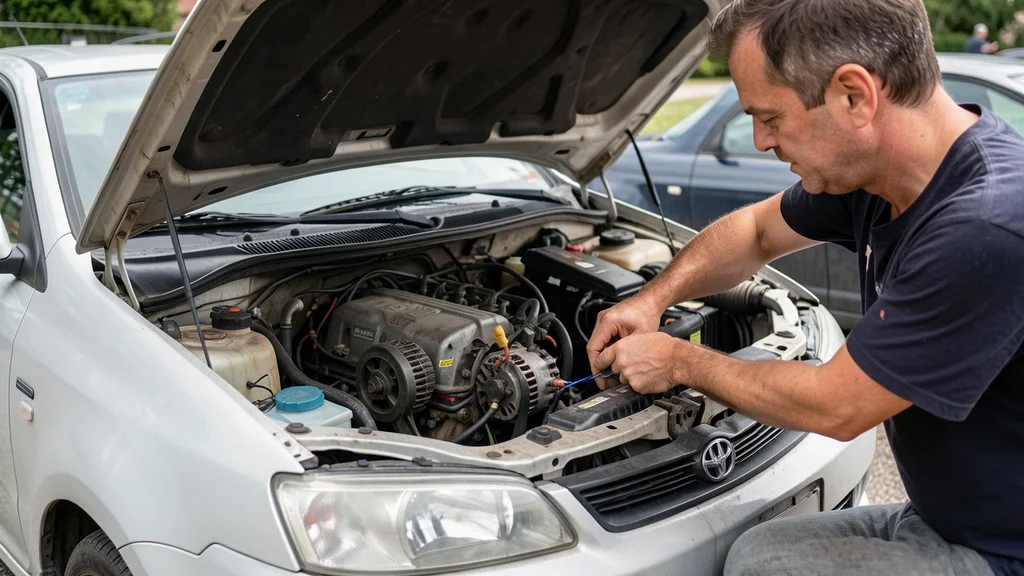
If your car’s electrical system is acting up, you might wonder can you still drive a car with a bad alternator. The short answer is no—not safely or for long. The alternator charges the battery and powers your vehicle’s electrical components while the engine runs.
Once it fails, your battery drains quickly, leaving you stranded. This post explains the risks, signs to watch for, and what to do if you suspect alternator trouble.
You can drive a car with a bad alternator for a very short distance but it is extremely risky. Once the battery drains you will lose power steering braking and eventually the engine will stall. Most vehicles will only run 5 to 30 minutes after alternator failure.
Signs Your Alternator Is Failing
The alternator doesn’t fail without warning. Most drivers notice subtle signs before a complete breakdown. Ignoring these symptoms can leave you stuck on the road with a dead battery and no electrical power.
Your car’s charging system is designed to keep the battery topped up and run all electrical loads. When the alternator starts to go, it can’t maintain that balance. The battery picks up the slack at first, but it will drain quickly under the load.
- Dashboard Warning Lights: The battery or alternator warning light (often a battery icon) is the most obvious sign. Modern cars may also display a “CHG” or “ALT” message.
- Dim or Flickering Lights: Headlights, interior lights, or dashboard lights that dim or flicker, especially when idling or at low RPMs.
- Weak or Dead Battery: If your battery dies repeatedly, even after jumps or replacements, the alternator may not be charging it properly.
- Electrical Failures: Power windows, radio, or other accessories work intermittently or fail entirely.
- Strange Smells: A burning rubber or electrical odor could indicate an overheating alternator or slipping belt.
- Whining or Grinding Noises: A failing alternator bearing or worn-out pulley can produce unusual noises from under the hood.
- Engine Stalling or Difficulty Starting: The battery can’t sustain the engine’s electrical needs without a functioning alternator.
Warning: If you see the battery light on your dashboard, pull over safely as soon as possible. Driving with a failing alternator can cause sudden loss of power steering and braking assist, making the car unsafe to drive.
How Far Can You Drive With a Bad Alternator
The distance you can drive depends on your battery’s charge level, the car’s electrical load, and how badly the alternator is failing. In most cases, you’ll only have a few minutes to a half-hour before the battery drains completely.
Modern vehicles rely heavily on electronics. Once the alternator fails, the battery must power everything from the ignition system to the fuel pump. Without a recharge, the battery will deplete rapidly.
According to AAA, most cars will run for 5 to 30 minutes after alternator failure, depending on the battery’s condition and electrical demand.
| Battery Condition | Electrical Load | Estimated Drive Time |
|---|---|---|
| New/Strong Battery | Low (lights off, minimal accessories) | 20-30 minutes |
| New/Strong Battery | High (headlights, AC, radio) | 5-15 minutes |
| Old/Weak Battery | Low | 5-10 minutes |
| Old/Weak Battery | High | 1-5 minutes |
The table above shows how battery health and electrical demand affect your driving time. Even with a strong battery, high electrical loads like headlights and air conditioning will drain it faster.
What Happens When the Alternator Fails While Driving
When the alternator stops working, your car’s electrical system starts running solely on the battery. At first, you might not notice much—until the battery’s charge depletes. The sequence of failures typically follows a predictable pattern.
First, non-essential systems like the radio, power windows, and interior lights may cut out or behave erratically. Then, critical systems start to fail. Power steering and braking systems rely on electrical assist in modern vehicles, so you’ll notice the steering wheel becomes harder to turn, and the brake pedal feels stiffer.
Finally, the engine will stall because the spark plugs and fuel pump can’t function without electricity.
- Initial Warning Signs: Dashboard lights flicker or turn on. Non-essential electronics like the radio or AC may shut off.
- Loss of Power Assist: Power steering and braking become harder to use as the electrical assist fails.
- Engine Misfires: The engine may sputter or misfire as the spark plugs receive inconsistent power.
- Complete Electrical Failure: All lights, gauges, and accessories die. The engine stalls shortly after.
- Vehicle Comes to a Stop: Without electrical power, the engine will not restart, and you’ll be stranded.
Important: If your alternator fails at night, turn off all non-essential electrical loads immediately. This includes headlights (if safe), AC, radio, and heated seats. Reducing the load can buy you a few extra minutes to reach safety.
Can You Jump Start a Car With a Bad Alternator
Jump-starting a car with a bad alternator is possible, but it’s only a temporary fix. The jump will provide enough power to start the engine, but the alternator won’t recharge the battery. Once you turn the engine off, the battery will likely die again, leaving you unable to restart the car.
Here’s what happens when you attempt a jump start: The donor car’s battery provides the initial power to crank your engine. Once running, your car’s electrical system should switch to alternator power—but if the alternator is dead, the battery takes over again. You’ll have a short window to drive before the battery drains.
Steps to Jump Start a Car With a Bad Alternator
- Position the Cars: Park the donor car close enough for the jumper cables to reach, but ensure the vehicles do not touch.
- Connect the Jumper Cables: Attach the red clamp to the dead battery’s positive (+) terminal, then the other red clamp to the donor battery’s positive terminal. Connect the black clamp to the donor battery’s negative (-) terminal, then the final black clamp to an unpainted metal surface on your car (not the battery).
- Start the Donor Car: Let it run for a few minutes to charge the dead battery slightly.
- Start Your Car: If it starts, do not turn it off. The alternator is not charging the battery, so turning the engine off will leave you stranded again.
- Disconnect the Cables: Remove the black clamp from your car first, then the black clamp from the donor battery. Repeat with the red clamps in reverse order.
| Action | With Bad Alternator | With Good Alternator |
|---|---|---|
| Jump Start Success | Engine starts but battery drains quickly | Engine starts and battery recharges |
| Drive After Jump | Very limited distance (5-30 min) | Unlimited (alternator recharges battery) |
| Turn Engine Off | Car will not restart | Car restarts normally |
As shown in the table, a jump start with a bad alternator is a short-term solution at best. The battery will drain quickly, and you’ll need to address the alternator issue immediately.
How to Test Your Alternator
If you suspect your alternator is failing, you can perform a few simple tests to confirm. These tests don’t require advanced mechanical knowledge, but they do need a multimeter—a handy tool for any driver. A multimeter measures voltage and can tell you if your alternator is charging the battery properly.
According to Popular Mechanics, a healthy alternator should output between 13.8 and 14.4 volts when the engine is running. Anything outside this range could indicate a problem. Here’s how to test it yourself:
Step-by-Step Alternator Test
- Park Safely: Ensure your car is parked on level ground with the engine off. Engage the parking brake for safety.
- Locate the Battery: Open the hood and locate the battery. Identify the positive (+) and negative (-) terminals.
- Set Up the Multimeter: Turn the multimeter to the DC voltage setting (usually marked with a “V” and a straight line). Set the range to 20V if available.
- Test Battery Voltage (Engine Off): Connect the red probe to the positive terminal and the black probe to the negative terminal. A fully charged battery should read around 12.6 volts. If it’s below 12.2V, your battery may be weak or dead.
- Start the Engine: Have a helper start the car while you monitor the multimeter. The voltage should jump to between 13.8 and 14.4 volts. If it stays below 13.5V or drops, your alternator is likely not charging properly.
- Rev the Engine: Have your helper rev the engine to about 2,000 RPM. The voltage should remain stable or increase slightly. If it drops, the alternator is failing.
- Check for Voltage Drops: Turn on electrical accessories like headlights, AC, or the radio. The voltage should stay above 13.5V. If it drops below 13V, the alternator can’t handle the load.
Tip: If you don’t have a multimeter, many auto parts stores (like AutoZone or O’Reilly) offer free alternator testing. They can quickly tell you if it’s the alternator or another issue.
Common Causes of Alternator Failure
Alternators don’t fail without a reason. Understanding the common causes can help you prevent issues in the future. Most alternator problems stem from wear and tear, electrical issues, or external factors like heat and moisture.
According to a study by AAA, alternator-related breakdowns account for nearly 10% of all roadside assistance calls. The average lifespan of an alternator is 7-10 years or 100,000-150,000 miles, but this can vary based on driving conditions and maintenance.
- Worn-Out Bearings: Alternators have bearings that allow the rotor to spin freely. Over time, these bearings wear out, causing noise and eventual failure.
- Faulty Voltage Regulator: The voltage regulator controls the alternator’s output. If it fails, the alternator may overcharge or undercharge the battery, leading to electrical issues.
- Slipping or Broken Drive Belt: The alternator is driven by a belt connected to the engine. If the belt slips or breaks, the alternator can’t spin, and your battery won’t charge.
- Corroded or Loose Connections: Poor electrical connections between the alternator and battery can cause charging issues. Corrosion or loose wires disrupt the flow of electricity.
- Overheating: Alternators generate heat, especially in hot climates or during heavy electrical loads. Overheating can damage internal components and lead to failure.
- Water Damage: Driving through deep water or exposure to excessive moisture can damage the alternator’s internal components, leading to shorts or corrosion.
- Old Age: Like all mechanical parts, alternators wear out over time. After 100,000 miles, the risk of failure increases significantly.
| Cause | Symptoms | Prevention |
|---|---|---|
| Worn Bearings | Whining noise, rough operation | Regular maintenance, replace belt |
| Faulty Voltage Regulator | Overcharging, undercharging, battery damage | Test charging system regularly |
| Slipping Belt | Squealing noise, battery light | Inspect belt for wear, replace as needed |
| Corrosion | Poor electrical connection, charging issues | Clean terminals regularly, use dielectric grease |
The table outlines the most common causes of alternator failure, their symptoms, and how to prevent them. Regular maintenance can extend your alternator’s life and save you from unexpected breakdowns.
What to Do If Your Alternator Fails While Driving
If your alternator fails while driving, your priority is to get to a safe location before the battery drains completely. Every minute counts, so act quickly and decisively. Here’s what to do:
First, stay calm and assess the situation. If you’re on a highway or busy road, signal and move to the shoulder or a safe parking area as soon as possible. Turn off all non-essential electrical loads to conserve battery power.
This includes the radio, AC, interior lights, and heated seats. If it’s safe to do so, turn off your headlights as well—though only if visibility isn’t an issue.
- Pull Over Safely: Use your hazard lights to signal other drivers and move to the side of the road or a parking lot.
- Turn Off Electrical Loads: Shut off the radio, AC, headlights (if safe), and any other accessories to reduce battery drain.
- Call for Assistance: Contact roadside assistance or a tow truck. If you have a spare alternator and tools, you might attempt a replacement, but this is not recommended for most drivers.
- Attempt a Jump Start (If Available): If you have jumper cables and a donor car, you can try to jump-start your vehicle to drive a short distance to a repair shop. Remember, this is only a temporary fix.
- Stay Safe: If you’re stranded in an unsafe location, stay in your vehicle with the doors locked and call for help. Do not attempt to push your car or flag down strangers.
Warning: Never attempt to drive long distances with a bad alternator. The risk of sudden electrical failure and loss of control is too high. Always prioritize safety over convenience.
Cost to Replace an Alternator
The cost to replace an alternator varies depending on your vehicle’s make and model, labor rates in your area, and whether you choose a new, remanufactured, or used part. On average, you can expect to pay between $500 and $1,000 for a professional replacement, including parts and labor.
According to RepairPal, the average cost for alternator replacement ranges from $540 to $740, with labor accounting for about $200 to $300 of that total. Luxury or imported vehicles may cost more due to higher parts prices and more complex labor. Some newer cars with advanced electrical systems may also require additional diagnostics or programming, increasing the cost further.
| Part Type | Average Cost (Parts Only) | Labor Cost | Total Estimated Cost |
|---|---|---|---|
| New Alternator | $300 – $600 | $200 – $300 | $500 – $900 |
| Remanufactured Alternator | $200 – $400 | $200 – $300 | $400 – $700 |
| Used Alternator | $100 – $250 | $200 – $300 | $300 – $550 |
The table above shows the cost breakdown for alternator replacement. While used or remanufactured alternators can save you money upfront, they may not last as long as a new part. Always weigh the cost against the expected lifespan and reliability.
Frequently Asked Questions
Can a bad alternator destroy a new battery?
Yes, a bad alternator can destroy a new battery. If the alternator overcharges, it can cause the battery to overheat and fail prematurely. If it undercharges, the battery will drain completely, leading to sulfation and permanent damage.
Always fix the alternator before replacing the battery.
How long does it take to replace an alternator?
Replacing an alternator typically takes 1 to 2 hours for a professional mechanic. The exact time depends on your vehicle’s make and model, as some alternators are more accessible than others. If you’re doing it yourself, expect it to take longer, especially if you’re not experienced.
Can I drive with a bad alternator if I keep the battery charged?
No, driving with a bad alternator is not safe, even if you keep the battery charged externally. The alternator powers critical systems like power steering and braking while the engine runs. Without it, these systems will fail, and the engine may stall unexpectedly.
What’s the difference between a bad alternator and a bad battery?
A bad battery struggles to start the car but may hold a charge for a short time. A bad alternator won’t charge the battery while driving, causing it to drain quickly. If your car starts but dies shortly after, or if the battery light comes on while driving, it’s likely the alternator.
Can a bad alternator cause the check engine light to come on?
Yes, a failing alternator can trigger the check engine light. Modern vehicles monitor the charging system, and if the voltage is too low or too high, the engine control module (ECM) may set a code and illuminate the check engine light. A diagnostic scan can confirm if the alternator is the issue.
Final Thoughts
Driving with a bad alternator is risky and not recommended. While you might get a few minutes of driving time before the battery drains, the loss of power steering, braking assist, and eventually the engine itself makes it unsafe. If you notice warning signs like dim lights or a battery warning on the dashboard, pull over and address the issue immediately.
Testing your alternator is simple with a multimeter, and replacement is a straightforward job for a professional. Prioritize safety and get your alternator fixed to avoid being stranded.
Leave a Reply