
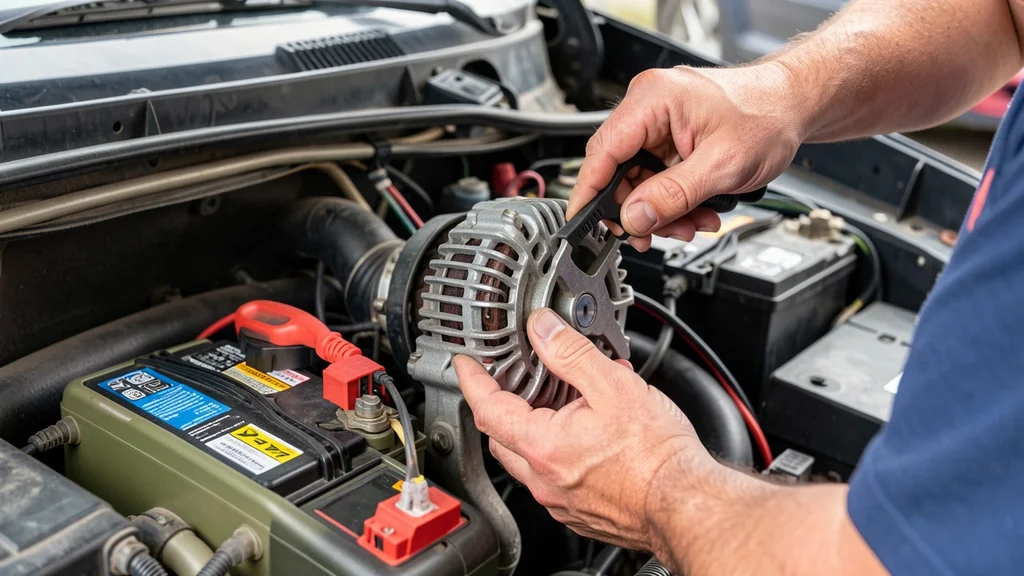
If your car’s electrical system feels sluggish or the battery light flickers, can you monitor alternator health before it leaves you stranded? The alternator is the powerhouse that keeps your battery charged and electronics running while the engine is on. Monitoring its performance early can save you from costly breakdowns and unexpected repairs.
Yes you can monitor an alternator with simple tools like a multimeter or an OBD-II scanner. Check voltage at the battery with the engine running—readings between 13.8V and 14.4V typically indicate a healthy alternator.
Signs Your Alternator Needs Monitoring
Your car often gives early warnings before the alternator fails completely. Ignoring these signs can lead to a dead battery or even engine stalling.
Dim or flickering headlights are a classic red flag. The alternator may struggle to supply consistent power to the electrical system. Similarly, a weak or dead battery that requires frequent jump-starts often points to alternator issues rather than the battery itself.
- Dashboard warning lights (battery or check engine)
- Weak or slow cranking when starting the engine
- Electrical accessories (radio, power windows) working intermittently
- Burning rubber smell from a slipping or worn alternator belt
- Whining or grinding noises from the alternator area
Warning: If you notice a burning smell or strange noises, stop the engine immediately. Continuing to drive could cause severe damage or even a fire hazard.
According to AAA, alternator-related issues account for nearly 15% of all vehicle breakdowns. Monitoring these signs early can help you address problems before they escalate.
Tools You Need to Monitor Alternator Performance
Monitoring your alternator doesn’t require professional tools, but having the right equipment makes the process easier and more accurate. A multimeter is the most essential tool for checking voltage output.
An OBD-II scanner can also provide valuable insights, especially if your vehicle is equipped with an alternator monitoring system. Some modern cars even have built-in diagnostics that alert you to alternator issues via the dashboard.
| Tool | Purpose | Cost Range |
|---|---|---|
| Multimeter | Measures voltage output | $10 – $50 |
| OBD-II Scanner | Reads engine and alternator codes | $20 – $200 |
| Voltage Tester | Quick voltage checks | $5 – $20 |
| Battery Analyzer | Tests battery and alternator health | $30 – $100 |
A multimeter is the most cost-effective and versatile option for most DIY checks. For more advanced diagnostics, an OBD-II scanner with alternator monitoring capabilities is a worthwhile investment.
Step-by-Step Guide to Monitor Alternator with a Multimeter
Testing your alternator with a multimeter is straightforward and takes only a few minutes. This method provides a clear indication of whether your alternator is charging the battery properly.
- Prepare Your Vehicle
Park your car in a safe, well-ventilated area. Turn off the engine and all electrical accessories (lights, radio, AC). Open the hood to access the battery. - Set Up the Multimeter
Turn the multimeter dial to DC voltage (20V range). Connect the red probe to the positive (+) battery terminal and the black probe to the negative (-) terminal. - Test Battery Voltage (Engine Off)
A fully charged battery should read between 12.5V and 12.8V. If the voltage is below 12.2V, charge the battery before proceeding. - Start the Engine
Have a helper start the engine while you monitor the multimeter. The voltage should immediately jump to between 13.8V and 14.4V. This indicates the alternator is charging the battery. - Increase Engine RPM
Rev the engine to around 2,000 RPM. The voltage should remain stable or increase slightly but stay below 14.5V. If the voltage drops or exceeds 14.5V, the alternator may be faulty. - Turn on Electrical Loads
Turn on the headlights, AC, and radio. The voltage should drop slightly (usually 0.2V to 0.5V) but stay above 13.5V. A significant drop indicates alternator issues. - Check for Consistency
Monitor the voltage for a few minutes. A healthy alternator maintains a steady voltage. Fluctuations or a gradual drop suggest a problem.
Tip: If your multimeter reads below 13.5V or above 14.5V at any point, have a professional inspect your alternator immediately.
According to a study by the Car Care Council, nearly 20% of vehicles on the road have weak or failing alternators. Regular checks can prevent unexpected failures and extend the life of your battery and electrical system.
Using an OBD-II Scanner to Monitor Alternator Health
Modern vehicles often provide alternator data through the OBD-II port. An OBD-II scanner can read live data, including alternator voltage, load, and performance metrics.
Not all scanners support alternator monitoring, so check for this feature before purchasing. Scanners like the BlueDriver or Innova 3100 are popular choices for alternator diagnostics.
- Connect the Scanner
Locate your vehicle’s OBD-II port (usually under the dashboard near the driver’s side). Plug in the scanner and turn the ignition to the “ON” position without starting the engine. - Access Live Data
Navigate to the live data or PID (Parameter ID) menu. Look for alternator-related parameters such as “Alternator Voltage,” “Charging Voltage,” or “Battery Voltage.” - Start the Engine
Start the engine and monitor the alternator voltage in real-time. A healthy alternator should show a voltage between 13.8V and 14.4V. - Check for Error Codes
Scan for any trouble codes related to the charging system (e.g., P0562 for low voltage or P0563 for high voltage). Clear any existing codes and re-scan to see if they return. - Analyze Data
Compare the voltage readings with the manufacturer’s specifications. Consistent readings outside the normal range indicate a potential issue.
| OBD-II Scanner | Alternator Monitoring Support | Price Range |
|---|---|---|
| BlueDriver | Yes | $100 – $150 |
| Innova 3100 | Yes | $50 – $80 |
| FOXWELL NT604 | Yes | $120 – $160 |
| ANCEL AD310 | Limited | $30 – $50 |
For most DIY users, the Innova 3100 offers a good balance of affordability and functionality. Professional mechanics often prefer the BlueDriver for its advanced features and compatibility with a wide range of vehicles.
How to Interpret Alternator Voltage Readings
Understanding voltage readings is key to diagnosing alternator health. The voltage output should fall within a specific range for optimal performance.
A reading below 13.5V with the engine running indicates the alternator isn’t charging the battery sufficiently. This could be due to a faulty alternator, a loose or damaged belt, or poor electrical connections.
| Voltage Reading (Engine Running) | Interpretation | Possible Cause |
|---|---|---|
| Below 12.5V | Not charging | Faulty alternator, broken belt, or poor connections |
| 12.5V – 13.4V | Weak charging | Worn alternator, weak battery, or electrical load too high |
| 13.5V – 14.4V | Healthy alternator | Normal operation |
| 14.5V – 15.5V | Overcharging | Faulty voltage regulator or alternator |
| Above 15.5V | Severe overcharging | Defective voltage regulator, short circuit |
A voltage reading above 14.5V can be just as problematic as a low reading. Overcharging can damage the battery and other electrical components. If you consistently see high voltage, have the alternator and voltage regulator inspected.
Important: Always test the alternator with all electrical accessories turned off for the most accurate reading. High electrical loads can temporarily lower voltage, giving a false impression of alternator issues.
Common Mistakes When Monitoring Alternator Performance
DIY alternator checks are straightforward, but even small mistakes can lead to incorrect conclusions. Avoiding these pitfalls ensures accurate results.
- Testing with a Dead Battery
If the battery is completely dead, the alternator may not produce enough voltage to start the engine. Always charge the battery before testing. - Ignoring Belt Condition
A loose or worn alternator belt can cause inconsistent voltage readings. Inspect the belt for cracks, fraying, or tension issues. - Using the Wrong Multimeter Settings
Ensure the multimeter is set to DC voltage (not AC) and the correct range (20V). Incorrect settings can give misleading readings. - Not Checking Connections
Corroded or loose battery terminals and alternator connections can affect voltage readings. Clean and tighten all connections before testing. - Overlooking Electrical Loads
Testing with all accessories turned on can mask alternator issues. Start with a baseline test (engine running, no loads) before adding electrical loads. - Assuming High Voltage Means a Good Alternator
While high voltage can indicate a problem, it doesn’t always mean the alternator is healthy. Consistency and stability are more important than the absolute value.
According to a report by RepairPal, nearly 30% of alternator replacements are unnecessary because the issue was misdiagnosed. Double-checking your testing procedure can save you time and money.
Pro Tips for Long-Term Alternator Health
Maintaining your alternator can extend its lifespan and prevent unexpected failures. Regular checks and preventive care go a long way.
- Keep the Battery in Good Condition
A weak or dead battery forces the alternator to work harder, shortening its lifespan. Test the battery regularly and replace it if it’s no longer holding a charge. - Inspect the Alternator Belt
Check the alternator belt for wear and proper tension every 6 months or 10,000 miles. Replace it if it’s cracked, frayed, or glaze - Clean Electrical Connections
Corrosion on battery terminals or alternator connections can cause voltage drops. Clean them with a wire brush and apply dielectric grease for protection. - Avoid Overloading the Electrical System
Excessive use of aftermarket accessories (e.g., high-powered stereos, lights) can strain the alternator. Ensure your electrical system can handle the load. - Drive Regularly
Short trips don’t allow the alternator to fully recharge the battery. If you drive infrequently, consider using a battery maintainer. - Monitor Dashboard Warnings
Pay attention to the battery or check engine light. Address any warnings promptly to avoid alternator or battery damage.
Tip: If you frequently drive in stop-and-go traffic or use a lot of electrical accessories, consider upgrading to a high-output alternator. These alternators provide more power for demanding electrical systems.
According to the National Institute for Automotive Service Excellence (ASE), the average alternator lasts about 7 years or 100,000 to 150,000 miles. Regular maintenance can help you reach or exceed this lifespan.
When to Seek Professional Help
While DIY checks are useful, some alternator issues require professional diagnosis and repair. Knowing when to call a mechanic can save you from costly mistakes.
If your alternator tests consistently show voltage readings outside the normal range, it’s time to consult a professional. A mechanic can perform a more thorough inspection, including load testing and checking for internal alternator damage.
- Persistent Warning Lights
If the battery or check engine light stays on after testing, a professional can diagnose the exact issue. - Unusual Noises
Grinding, whining, or clicking noises from the alternator area may indicate bearing or internal component failure. - Physical Damage
Visible damage to the alternator, such as leaks or burnt components, requires professional attention. - Frequent Battery Failures
If you’ve replaced the battery multiple times but still have charging issues, the alternator may be the culprit. - Electrical Issues
Problems like flickering lights, intermittent power loss, or accessories not working properly can indicate alternator or wiring issues.
| Issue | DIY Fixable? | Professional Required? |
|---|---|---|
| Low voltage readings | Maybe | If persistent |
| Worn alternator belt | Yes | No |
| Corroded connections | Yes | No |
| Grinding noises | No | Yes |
| Internal alternator failure | No | Yes |
Most auto repair shops offer free alternator and battery testing. If you’re unsure about your DIY results, take advantage of this service to get a professional opinion.
Frequently Asked Questions
Can you monitor alternator performance without a multimeter?
Yes, you can use an OBD-II scanner with alternator monitoring capabilities or rely on dashboard warning lights. However, a multimeter provides the most accurate and immediate results for voltage testing. Some vehicles also have built-in diagnostics that display alternator voltage on the dashboard.
How often should you monitor alternator health?
It’s a good idea to check your alternator every 6 months or 10,000 miles, especially if you notice any warning signs. Regular monitoring can help you catch issues early and avoid unexpected breakdowns. If you frequently drive in extreme conditions (hot/cold weather, stop-and-go traffic), check it more often.
What happens if you ignore alternator problems?
Ignoring alternator issues can lead to a dead battery, leaving you stranded. Over time, a failing alternator can also damage other electrical components, including the battery, starter, and even the vehicle’s computer system. In severe cases, it can cause the engine to stall while driving.
Can a bad alternator damage a new battery?
Yes, a faulty alternator can overcharge or undercharge a new battery, significantly shortening its lifespan. Overcharging can cause the battery to overheat and fail prematurely, while undercharging can lead to sulfation, where the battery plates become coated and lose their ability to hold a charge.
How much does it cost to replace an alternator?
The cost to replace an alternator varies depending on the vehicle make and model, as well as labor rates. On average, you can expect to pay between $400 and $1,000 for parts and labor. Some vehicles may require additional components, such as a new belt or tensioner, which can increase the cost.
Final Thoughts
Monitoring your alternator is a simple yet crucial part of vehicle maintenance. With basic tools like a multimeter or OBD-II scanner, you can quickly check its health and catch issues before they leave you stranded. Regular monitoring, combined with preventive care, ensures your alternator and electrical system remain in top condition.
If you notice persistent warning signs or unusual readings, don’t hesitate to consult a professional. A small investment in time and tools now can save you from costly repairs down the road.
Leave a Reply