
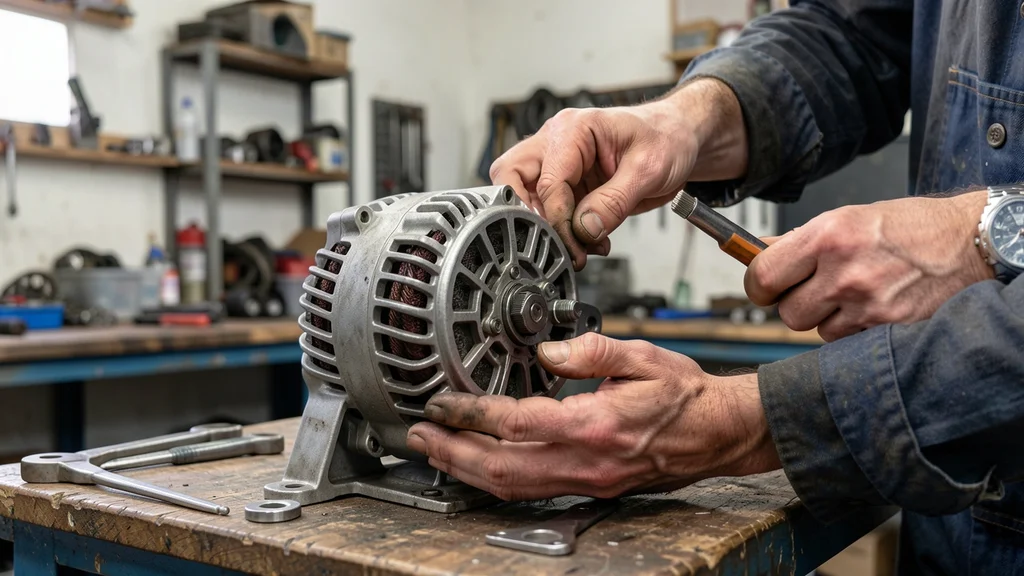
If your car’s electrical system is failing, you might wonder can you have alternators made to match your specific needs. The good news is that custom alternators are available, and many shops specialize in rebuilding or fabricating them to exact specifications. Whether you’re restoring a classic car, upgrading performance, or replacing a rare part, this guide covers everything you need to know about getting a bespoke alternator.
Yes, you can have alternators custom-made or rebuilt to fit your vehicle’s requirements. Specialty shops and manufacturers offer this service for classic cars, high-performance builds, or hard-to-find replacements.
What Are Custom Alternators and Why Consider Them
Custom alternators are tailored to your vehicle’s electrical demands, whether you need higher output, a specific mounting style, or compatibility with non-standard systems. Unlike stock alternators, which are designed for average use, custom units can handle extreme conditions, such as racing, off-roading, or running high-wattage audio systems.
They’re also a lifesaver for vintage car owners. Many older models use alternators that are no longer in production, making custom fabrication the only viable solution. Additionally, performance enthusiasts often upgrade to high-amp alternators to support aftermarket accessories like winches, lighting, or sound systems.
Here are the key scenarios where a custom alternator makes sense:
- Classic car restoration: OEM alternators may be unavailable or inefficient for modern demands.
- High-performance builds: Stock alternators often can’t keep up with upgraded electrical loads.
- Off-road or overlanding: Additional lights, winches, and fridges require more power than standard alternators provide.
- Marine or industrial applications: Custom units can be built to withstand harsh environments.
- Hybrid or electric conversions: Specialized alternators may be needed for unique setups.
Tip: If you’re adding high-wattage accessories, calculate your total electrical load first. A custom alternator should output at least 20-30% more amperage than your system requires to avoid strain.
Custom vs Rebuilt Alternators What’s the Difference
Not all alternators labeled as “custom” are built from scratch. Understanding the differences between custom-built, rebuilt, and remanufactured units helps you choose the right option.
| Type | Description | Pros | Cons |
|---|---|---|---|
| Custom-Built | Brand-new alternator designed and assembled to your exact specifications. | Tailored to your needs, highest performance, long lifespan | Most expensive, longer lead times |
| Rebuilt | Used alternator disassembled, worn parts replaced, and reassembled to OEM specs. | Cost-effective, quicker turnaround | May not last as long as new, limited customization |
| Remanufactured | Completely disassembled, cleaned, and rebuilt with new components to meet or exceed OEM standards. | Reliable, often comes with warranty, better than rebuilt | More expensive than rebuilt, not fully customizable |
For most drivers, a rebuilt or remanufactured alternator is sufficient. However, if you need specific amperage, voltage, or physical dimensions, a custom-built unit is the way to go.
How to Determine if You Need a Custom Alternator
Before investing in a custom alternator, assess whether your vehicle truly needs one. Start by checking your current alternator’s output. A simple multimeter test can reveal if it’s underperforming.
If your battery keeps dying or your lights dim at idle, your alternator may be struggling to keep up.
Next, add up the electrical demands of all your accessories. For example:
- Stock vehicle: 60-100 amps (headlights, basic audio, power windows)
- Moderate upgrades: 100-150 amps (aftermarket stereo, LED lights, small inverters)
- High-demand systems: 150-300+ amps (winches, high-powered sound systems, multiple batteries)
If your total draw exceeds your alternator’s capacity by more than 20%, it’s time to upgrade. Also, consider the physical space and mounting points. Some custom alternators are more compact or have different mounting brackets to fit unique engine bays.
Important: Always match the alternator’s voltage to your vehicle’s electrical system (typically 12V or 24V). Mismatched voltage can damage your battery and electronics.
Where to Get Custom Alternators Made
Finding the right shop or manufacturer is crucial for a quality custom alternator. Start with local auto electric specialists, as they often have the expertise to rebuild or modify alternators. For high-performance or rare applications, national manufacturers like Powermaster, Mechman, or Alternator Specialists Inc. offer custom solutions.
Here’s a breakdown of your options:
- Local Auto Electric Shops
Many independent auto electric shops specialize in alternator and starter rebuilding. They can often modify an existing unit or source parts to build a custom one. Pros include quick turnaround and personalized service.
However, their customization options may be limited compared to larger manufacturers.
- Performance Parts Manufacturers
Companies like Powermaster and Mechman cater to performance and racing markets. They offer high-amp alternators designed for extreme conditions. These are ideal for muscle cars, drag racers, or off-road vehicles.
Expect higher prices but top-tier reliability.
- Classic Car Specialists
For vintage car restorations, shops like Alternator Specialists Inc. or DB Electrical provide alternators that look and perform like original equipment but with modern reliability. They can replicate rare or discontinued models.
- Online Marketplaces
Websites like eBay, Summit Racing, or JEGS sometimes list custom alternators. Be cautious and verify the seller’s reputation, as quality can vary. Always ask for specifications and warranties before purchasing.
| Provider Type | Best For | Average Cost | Turnaround Time |
|---|---|---|---|
| Local Shops | Quick fixes, minor customizations | $150 – $400 | 1-3 days |
| Performance Manufacturers | High-performance, racing, off-road | $400 – $1,200 | 1-4 weeks |
| Classic Car Specialists | Restoration, rare models | $300 – $800 | 2-6 weeks |
When choosing a provider, ask about warranties, testing procedures, and whether they offer support for installation and troubleshooting.
Step by Step Process of Getting a Custom Alternator
Ordering a custom alternator involves several steps to ensure you get a unit that fits and performs perfectly. Here’s what to expect:
- Assess Your Needs
Determine your electrical requirements, physical constraints, and performance goals. Measure your current alternator’s dimensions and note the mounting style. Calculate your total electrical load, including all accessories.
- Research Providers
Identify shops or manufacturers that specialize in your type of vehicle or application. Check reviews, ask for recommendations in forums, and compare prices. Look for providers with experience in custom work, not just standard rebuilds.
- Provide Specifications
Contact the provider with your vehicle’s make, model, year, and engine details. Specify your amperage needs, voltage requirements, and any special features (e.g., internal regulator, specific pulley size). If possible, send photos or measurements of your current unit.
- Get a Quote
Request a detailed quote that includes the cost, lead time, and any additional fees for custom features. Ask about warranties and return policies. Compare quotes from multiple providers to ensure you’re getting a fair deal.
- Place Your Order
Once you’ve chosen a provider, place your order and confirm all specifications in writing. Double-check that the alternator will fit your vehicle and meet your electrical demands. Ask about the testing process to ensure quality.
- Installation and Testing
Have a professional mechanic install the custom alternator, or follow detailed instructions if you’re doing it yourself. After installation, test the alternator’s output with a multimeter to confirm it’s charging the battery correctly. Check for any warning lights on your dashboard.
Warning: Incorrect installation or mismatched specifications can damage your vehicle’s electrical system. Always verify compatibility and seek professional help if unsure.
Key Features to Consider for Your Custom Alternator
When designing a custom alternator, several features can enhance performance, durability, and compatibility. Here’s what to discuss with your provider:
- Amperage Output: Choose an alternator that delivers 20-30% more amps than your total electrical load. For example, if your system requires 150 amps, opt for a 180-200 amp unit.
- Voltage Rating: Most vehicles use 12V systems, but some commercial or industrial applications require 24V. Ensure the alternator matches your system’s voltage.
- Mounting Style: Alternators come in various mounting configurations (e.g., single-ear, dual-ear, or clockable). Confirm the mounting style fits your engine bay.
- Pulley Type: The pulley size affects the alternator’s speed and output. Smaller pulleys spin faster, increasing output at lower RPMs, but may reduce lifespan.
- Regulator Type: Internal or external regulators control the alternator’s output. Internal regulators are more common and easier to install, while external regulators offer more precise control.
- Cooling Method: High-performance alternators may require additional cooling, such as fins, fans, or liquid cooling, to prevent overheating.
- Material and Build Quality: Look for alternators with high-quality bearings, windings, and casings for durability. Marine or off-road units may need corrosion-resistant materials.
| Feature | Standard Option | Performance Option |
|---|---|---|
| Amperage | 60-100A | 150-300A+ |
| Pulley | Standard size | Under-driven or over-driven |
| Cooling | Passive (fins) | Active (fan or liquid) |
Investing in the right features ensures your custom alternator meets your needs without unnecessary expenses.
Common Mistakes to Avoid When Ordering a Custom Alternator
Even with the best intentions, it’s easy to make mistakes when ordering a custom alternator. Here are the most common pitfalls and how to avoid them:
- Underestimating Your Electrical Load
Many people calculate their amperage needs based only on current accessories, forgetting to account for future upgrades. Always add a buffer of 20-30% to your total load to accommodate potential additions.
- Ignoring Physical Fit
An alternator with the right specs won’t help if it doesn’t fit in your engine bay. Double-check mounting points, pulley alignment, and clearance with other components. Some custom shops offer 3D modeling to confirm fitment before production.
- Choosing the Wrong Voltage
Mixing 12V and 24V components can fry your electrical system. Verify your vehicle’s voltage and ensure the alternator matches. If you’re running a dual-battery setup, confirm the alternator can handle the configuration.
- Overlooking Quality for Price
Cheap alternators may save money upfront but can fail prematurely, causing costly damage. Invest in a reputable brand with good reviews and a solid warranty. A quality alternator should last 5-10 years with proper maintenance.
- Skipping Professional Installation
Improper installation can lead to poor performance, damage, or even safety hazards. Unless you’re experienced with electrical systems, have a professional mechanic handle the installation and testing.
- Not Testing After Installation
Always test the alternator’s output with a multimeter after installation. A healthy alternator should produce 13.8-14.4V at idle with all accessories off. If the voltage is outside this range, there may be an issue with the alternator or wiring.
Important: If your alternator fails prematurely, check for underlying issues like a weak battery, faulty voltage regulator, or poor grounding. These can cause even a high-quality alternator to underperform.
Cost of Custom Alternators What to Expect
The cost of a custom alternator varies widely based on specifications, brand, and provider. Here’s a breakdown of what you can expect to pay:
- Rebuilt Alternators: $100 – $300. These are the most affordable option and suitable for most standard vehicles. However, they offer limited customization.
- Remanufactured Alternators: $200 – $500. These are more reliable than rebuilt units and often come with warranties. They’re a good middle-ground option for most drivers.
- Performance Alternators: $400 – $1,200. High-amp units from brands like Powermaster or Mechman fall into this range. They’re ideal for racing, off-roading, or vehicles with heavy electrical loads.
- Fully Custom Alternators: $800 – $2,500+. These are built from scratch to your exact specifications. They’re typically used in extreme applications, such as professional racing or industrial equipment.
Additional costs to consider:
- Installation: $100 – $300 if done by a professional mechanic.
- Shipping: $50 – $200, depending on the size and weight of the alternator.
- Core Charge: Some providers charge a core fee (typically $50 – $150) if you don’t return your old alternator for recycling.
- Accessories: Upgraded pulleys, wiring harnesses, or mounting brackets may add $50 – $300 to the total cost.
| Alternator Type | Price Range | Best For | Warranty |
|---|---|---|---|
| Rebuilt | $100 – $300 | Budget-friendly, standard vehicles | 6-12 months |
| Remanufactured | $200 – $500 | Reliable, everyday use | 1-3 years |
| Performance | $400 – $1,200 | High-performance, racing, off-road | 1-5 years |
| Fully Custom | $800 – $2,500+ | Extreme applications, rare vehicles | 2-5 years |
While custom alternators are an investment, they pay off in reliability and performance, especially for demanding applications.
Frequently Asked Questions
Can you rebuild an alternator to be more powerful?
Yes, many auto electric shops can rebuild your existing alternator with higher-capacity components, such as upgraded windings or a more robust regulator. However, the physical size and mounting points will remain the same, so ensure the upgraded output meets your needs without exceeding the alternator’s design limits.
How long does it take to get a custom alternator made?
Lead times vary by provider and complexity. Rebuilt or remanufactured alternators typically take 1-3 days, while fully custom units can take 2-6 weeks or longer. Performance alternators from specialty manufacturers may have a 1-4 week lead time.
Always confirm the timeline before placing your order.
Is it worth getting a custom alternator for a daily driver?
For most daily drivers, a rebuilt or remanufactured alternator is sufficient and more cost-effective. However, if you’ve added high-wattage accessories (e.g., a premium sound system or auxiliary lighting), a custom alternator can prevent electrical issues and extend the life of your battery and other components.
What’s the difference between a high-output and a standard alternator?
A high-output alternator delivers more amperage (typically 150+ amps) to support demanding electrical systems. Standard alternators usually produce 60-100 amps, which is enough for most stock vehicles. High-output units are built with heavier-duty components, such as larger windings and improved cooling, to handle the increased load.
Can I install a custom alternator myself?
If you have experience with automotive electrical systems, you can install a custom alternator yourself. However, it requires careful attention to wiring, pulley alignment, and testing. If you’re unsure, it’s best to have a professional mechanic handle the installation to avoid damaging your vehicle’s electrical system.
Final Thoughts
So, can you have alternators made to fit your vehicle’s unique needs? Absolutely. Whether you’re restoring a classic car, upgrading for performance, or replacing a rare part, custom alternators offer a tailored solution.
The key is to assess your electrical demands, choose a reputable provider, and ensure proper installation and testing. With the right approach, a custom alternator can provide reliable power for years to come.
Leave a Reply