
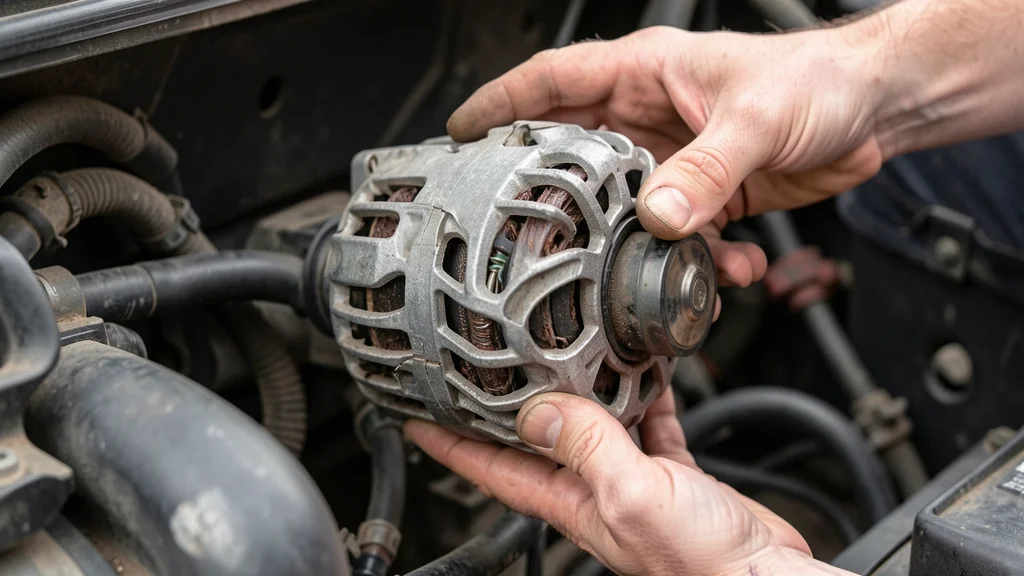
If your vehicle’s alternator has a cracked or broken shell, you may wonder can you use an alternator with damaged shell. The shell protects internal components from debris, moisture, and physical damage, so even minor cracks can lead to serious electrical or mechanical failures. Using a damaged alternator risks overheating, short circuits, or complete system failure, which could leave you stranded.
This guide explains the risks, signs of shell damage, and whether temporary use is ever safe.
No you should never use an alternator with a damaged shell even for short trips. The housing protects critical parts like the stator windings and diodes from dirt moisture and impact. Cracks can let debris in cause short circuits or bearing failure leading to total alternator burnout.
Why the Alternator Shell Matters
The alternator shell also called the housing serves multiple critical functions in your vehicle’s charging system. It provides structural integrity to keep internal components aligned and protected from external elements. Without a secure housing the delicate windings diodes and bearings inside are vulnerable to contamination and physical stress.
Additionally the shell acts as a heat sink dissipating the substantial heat generated during operation. A cracked or damaged shell compromises this cooling ability which can lead to overheating and premature failure. The housing also grounds the alternator to the engine block ensuring proper electrical flow and preventing stray currents that could damage other components.
- Physical Protection: Shields internal parts from road debris water and impact
- Heat Dissipation: Helps regulate temperature during high-load operation
- Electrical Isolation: Prevents short circuits between windings and the chassis
- Alignment Maintenance: Keeps the rotor and stator precisely positioned
- Mounting Stability: Secures the alternator firmly to the engine block
Warning: A cracked alternator shell can expose live electrical components creating a fire hazard. If you notice any damage to the housing replace the alternator immediately to avoid electrical shorts or potential engine bay fires.
Signs Your Alternator Shell Is Damaged
Identifying shell damage early can prevent costly repairs or dangerous situations. Some damage like hairline cracks may not be immediately visible but can still cause problems. Regular visual inspections especially after off-road driving or accidents can help catch issues before they escalate.
Physical symptoms often accompany shell damage. You might notice metal shavings in the alternator area which indicate internal components are grinding against the damaged housing. Another red flag is excessive heat coming from the alternator even when the engine is at normal operating temperature.
- Visible Cracks or Dents: Check the housing for any visible damage especially around mounting points
- Debris Inside: Look for dirt water or metal particles inside the alternator
- Unusual Noises: Grinding or whining sounds may indicate internal components are loose
- Overheating: The alternator feels excessively hot to the touch
- Electrical Issues: Flickering dashboard lights or dim headlights
- Fluid Leaks: Coolant or oil seeping into the alternator through cracks
- Burning Smell: A burnt odor often signals overheating or short circuits
| Symptom | Likely Cause | Risk Level |
|---|---|---|
| Visible cracks | Impact or stress damage | High |
| Debris inside | Shell breach | Critical |
| Grinding noises | Bearing or rotor contact | High |
| Overheating | Poor heat dissipation | Medium |
| Electrical issues | Short circuits | Critical |
The table above highlights the most common symptoms of alternator shell damage and their associated risks. If you notice any of these signs address the issue immediately to prevent further damage to your vehicle’s electrical system.
Risks of Using an Alternator With a Damaged Shell
Operating a vehicle with a damaged alternator shell poses significant risks to both the charging system and the vehicle as a whole. The most immediate danger is electrical failure. When the protective housing is compromised moisture and debris can enter the alternator causing short circuits in the windings or diode bridge.
This can lead to sudden loss of charging capability leaving you with a dead battery and a non-starting vehicle.
Mechanical risks are equally concerning. The alternator’s internal components including the rotor and bearings rely on precise alignment within the housing. A damaged shell can allow these parts to shift leading to accelerated wear increased friction and eventual mechanical failure.
In severe cases pieces of the alternator may break off and cause damage to other engine components.
- Electrical Short Circuits: Exposure to moisture and debris can cause shorts in the windings or rectifier bridge
- Bearing Failure: Misalignment from shell damage accelerates bearing wear
- Overheating: Poor heat dissipation can lead to thermal damage to internal components
- Fire Hazard: Short circuits can generate sparks potentially causing an engine fire
- Complete System Failure: The alternator may stop working entirely leaving you without power steering or other electrical systems
- Damage to Other Components: Loose internal parts can damage nearby engine components
- Reduced Vehicle Value: A damaged alternator can affect your car’s resale value
Important: According to the National Highway Traffic Safety Administration electrical system failures including alternator issues contribute to thousands of vehicle breakdowns annually. A damaged alternator shell significantly increases this risk.
Can You Temporarily Use a Damaged Alternator
While it might be tempting to continue driving with a damaged alternator shell especially if the damage appears minor this is strongly discouraged. Even small cracks can quickly worsen under the stress of normal vehicle operation. What starts as a minor issue can escalate into a complete alternator failure at the most inconvenient time.
If you absolutely must drive with a damaged alternator take extreme precautions. Limit your driving to the shortest possible distance and avoid any conditions that might stress the electrical system such as using high-powered accessories or driving in heavy traffic. Monitor your vehicle’s voltage gauge if available and pull over immediately if you notice any warning signs.
- Risk of Sudden Failure: The alternator could stop working without warning
- Potential for Electrical Fires: Short circuits can lead to sparks and fires
- Damage to Other Systems: The electrical system may be compromised affecting other components
- Safety Concerns: Loss of power steering or brakes could occur if the electrical system fails
- Increased Repair Costs: Continuing to use a damaged alternator often leads to more expensive repairs
| Scenario | Risk Level | Recommendation |
|---|---|---|
| Minor crack no symptoms | High | Replace immediately |
| Visible damage electrical symptoms | Critical | Do not drive |
| Shell damage after accident | Critical | Tow vehicle replace alternator |
The scenarios above illustrate why temporary use is not a viable option. The risks far outweigh any potential convenience and the cost of a new alternator is significantly less than the potential damage to your vehicle or the danger to your safety.
What to Do If Your Alternator Shell Is Damaged
If you discover damage to your alternator shell the safest course of action is to replace the entire unit. While some might consider repairing the shell this is generally not recommended. The housing is designed to precise specifications and any repair might compromise its structural integrity or electrical properties.
Additionally the cost of professional repair often approaches or exceeds the cost of a new alternator.
When replacing the alternator always use a unit that meets or exceeds your vehicle’s original equipment specifications. This ensures proper fit function and longevity. Consider having a professional mechanic perform the installation as they have the tools and expertise to do the job correctly and safely.
- Inspect the Damage: Carefully examine the alternator shell for cracks dents or other damage
- Check for Symptoms: Look for signs of electrical or mechanical issues
- Disconnect the Battery: Before any work disconnect the negative battery terminal
- Remove the Alternator: Follow your vehicle’s service manual for proper removal
- Get a Replacement: Purchase a new or remanufactured alternator that matches your vehicle’s specifications
- Install the New Unit: Follow the reverse of the removal process ensuring all connections are secure
- Test the System: After installation test the charging system to ensure proper operation
Tip: When purchasing a replacement alternator consider opting for a unit with a slightly higher amperage rating than your original. This can provide better performance especially if you have added electrical accessories to your vehicle.
Alternator Shell Damage Prevention Tips
Preventing alternator shell damage is far easier than dealing with the consequences. Regular maintenance and careful driving habits can significantly extend the life of your alternator. Start with visual inspections.
Make it a habit to check your alternator for any signs of damage whenever you’re under the hood for other maintenance tasks.
Protecting your alternator from the elements is also crucial. If you frequently drive in harsh conditions consider installing an alternator guard. These protective covers can shield your alternator from road debris and minor impacts.
Additionally be mindful of where you park. Parking in areas prone to flooding can expose your alternator to water damage.
- Regular Inspections: Check the alternator housing during routine maintenance
- Clean Engine Bay: Keep the engine bay clean to prevent debris buildup
- Avoid Harsh Conditions: Limit exposure to extreme mud water or debris
- Install Protection: Consider an alternator guard for off-road or harsh driving conditions
- Gentle Driving: Avoid aggressive driving that could stress the alternator
- Proper Installation: Ensure the alternator is securely mounted with correct torque specifications
- Quality Parts: Use high-quality replacement parts that meet or exceed OEM specifications
Common Alternator Problems Beyond Shell Damage
While shell damage is a serious concern alternators can experience other issues that affect their performance. Being aware of these common problems can help you diagnose issues more effectively. One of the most frequent issues is bearing failure.
The alternator has two main bearings that support the rotor shaft and these can wear out over time leading to noise and eventually failure.
Another common problem is diode failure in the rectifier bridge. The diodes convert the alternator’s AC output to DC for the vehicle’s electrical system. When diodes fail the alternator may not charge properly or may cause electrical issues throughout the vehicle.
Voltage regulator problems are also relatively common. The regulator controls the alternator’s output to ensure the battery receives the correct charge.
| Problem | Symptoms | Solution |
|---|---|---|
| Bearing failure | Grinding or whining noise | Replace alternator or bearings |
| Diode failure | Electrical issues dim lights | Replace alternator |
| Voltage regulator failure | Overcharging or undercharging | Replace alternator or regulator |
| Brush wear | Intermittent charging | Replace alternator |
| Stator failure | No charging output | Replace alternator |
Understanding these common alternator problems can help you better maintain your vehicle’s electrical system. If you notice any of these symptoms have your alternator checked by a professional to determine if repair or replacement is necessary.
Frequently Asked Questions
Can a small crack in the alternator shell cause big problems?
Yes even a small crack can lead to significant issues over time. Moisture and debris can enter through the crack causing corrosion short circuits or bearing damage. What starts as a minor issue can quickly escalate into a complete alternator failure.
How long can I drive with a damaged alternator shell?
It is not recommended to drive at all with a damaged alternator shell. The risks of sudden failure electrical fires or damage to other components are too high. If you must drive do so only for the shortest possible distance to get to a repair facility.
Can I repair the alternator shell instead of replacing the whole unit?
While it might be technically possible to repair an alternator shell it is generally not recommended. The housing is precision-engineered and any repair could compromise its structural integrity or electrical properties. The cost of professional repair often approaches that of a new alternator making replacement the more practical choice.
What causes alternator shell damage?
Alternator shell damage can result from various factors. Physical impacts from road debris or accidents are common causes. Overheating can also lead to cracks or warping of the housing.
Additionally poor installation or excessive vibration can stress the shell leading to damage over time.
How much does it cost to replace an alternator with a damaged shell?
The cost varies depending on your vehicle make and model as well as whether you choose a new or remanufactured unit. Generally you can expect to pay between 200 to 600 for parts and labor. Luxury or import vehicles may cost more.
Always get a quote from a trusted mechanic before proceeding with the replacement.
Final Thoughts
Using an alternator with a damaged shell is never advisable due to the significant risks it poses to your vehicle’s electrical system and your safety. The shell plays a crucial role in protecting internal components dissipating heat and maintaining proper alignment. Any compromise to its integrity can lead to electrical shorts mechanical failures or even fires.
If you suspect your alternator shell is damaged have it inspected by a professional and replace the unit if necessary. Regular maintenance and careful driving can help prevent shell damage and extend the life of your alternator.
Leave a Reply