
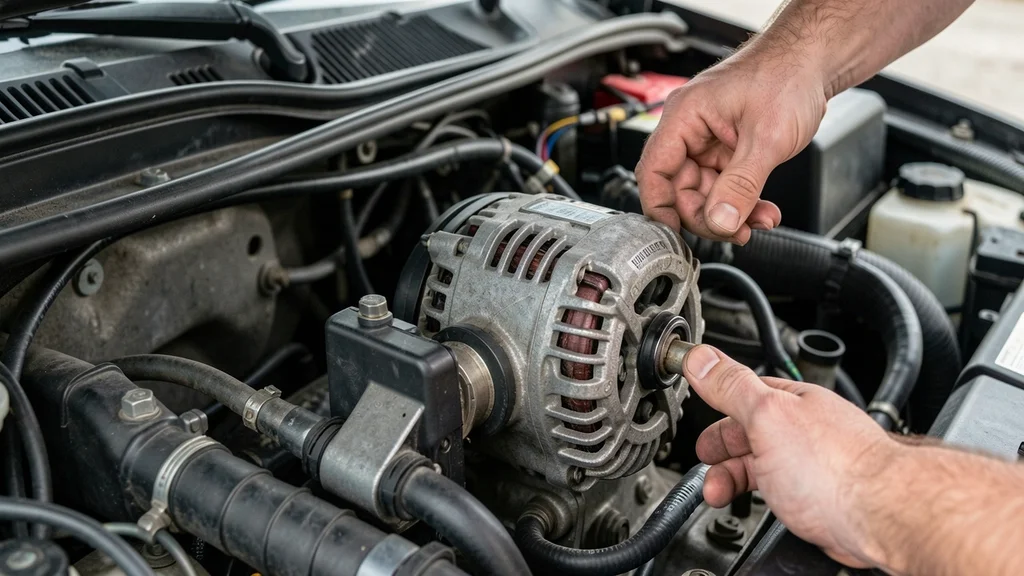
If your car’s electrical system is acting up, knowing how can you tell alternator is bad can save you from a sudden breakdown. The alternator charges your battery and powers the electronics while the engine runs, so spotting early symptoms is crucial. From dim lights to strange noises, these signs often point to alternator trouble before it leaves you stranded.
This guide will help you recognize the red flags and take action before the problem worsens.
You can tell your alternator is bad by watching for dim headlights, a dead battery, warning lights on the dash, strange noises, or electrical failures like power windows moving slowly. A failing alternator often causes the battery light to glow or flickering interior lights.
Common Symptoms of a Failing Alternator
The alternator is the heart of your car’s electrical system, and when it starts to fail, the signs are usually hard to miss. The most common symptoms include:
- Dim or Flickering Lights: Headlights, dashboard lights, or interior lights that dim or flicker, especially when the engine is idling, often indicate alternator issues.
- Dead Battery: If your battery dies frequently, even after jumps or replacements, the alternator might not be charging it properly.
- Warning Lights: The battery-shaped warning light on your dashboard is a direct signal that the charging system isn’t working correctly.
- Strange Noises: A whining or grinding noise coming from the engine bay can mean the alternator’s bearings are wearing out.
- Electrical Failures: Slow power windows, a weak radio signal, or malfunctioning accessories can all stem from a failing alternator.
- Stalling or Difficulty Starting: If the alternator fails completely, your car may stall or struggle to start because the battery isn’t being recharged.
A failing alternator can also cause your car to lose power while driving, as the electrical system draws energy from the battery without replenishment. According to AAA, alternator issues are one of the top causes of roadside assistance calls, making early detection critical.
How to Test Your Alternator at Home
If you suspect your alternator is failing, you can perform a few simple tests at home before visiting a mechanic. Here’s how:
- Check the Battery Light: Start your car and look for the battery warning light on the dashboard. If it stays illuminated, the alternator may not be charging the battery.
- Test the Lights: Turn on the headlights. If they dim significantly when the engine is idling but brighten when you rev the engine, the alternator is likely the culprit.
- Use a Multimeter: With the engine off, connect a multimeter to the battery terminals. A healthy battery should read around 12.6 volts. Start the engine and check the voltage again—it should rise to between 13.8 and 14.4 volts. If it doesn’t, your alternator isn’t charging properly.
- Listen for Noises: Pop the hood and listen for unusual sounds like whining or grinding while the engine runs. These noises often indicate a failing alternator bearing.
- Inspect the Alternator Belt: Look for signs of wear, cracks, or looseness in the serpentine belt that drives the alternator. A damaged belt can prevent the alternator from functioning correctly.
Tip: If you don’t have a multimeter, most auto parts stores will test your alternator and battery for free.
Testing your alternator at home can give you a good idea of whether it’s the source of your electrical issues. However, for a definitive diagnosis, a professional mechanic’s tools and expertise are recommended.
Alternator vs Battery Problems How to Tell the Difference
It’s easy to confuse alternator problems with battery issues since both are part of the charging system. However, there are key differences to help you identify the root cause:
| Symptom | Alternator Issue | Battery Issue |
|---|---|---|
| Lights dim while driving | Yes | No |
| Car doesn’t start | Only if battery is completely dead | Yes |
| Warning light on dashboard | Yes (battery light) | No |
| Electrical accessories fail | Yes | No |
| Engine stalls while driving | Yes | No |
If your car starts but dies shortly after, or if the electrical system fails while driving, the alternator is usually the issue. On the other hand, if your car doesn’t start at all and the lights are dim even before turning the key, the battery is more likely the problem. According to a study by the Car Care Council, 1 in 3 drivers will experience battery or alternator failure at some point, so knowing the difference is essential.
What Causes Alternator Failure
Alternators don’t last forever, and several factors can lead to their premature failure. Understanding these causes can help you extend the life of your alternator and prevent unexpected breakdowns.
- Age and Wear: Alternators typically last between 80,000 to 150,000 miles, but extreme conditions can shorten their lifespan. Over time, the internal components, such as brushes and bearings, wear out and need replacement.
- Overloading: Modern cars have numerous electrical accessories, from high-powered stereos to GPS systems. If you’ve added aftermarket electronics, they can overload the alternator, causing it to fail faster.
- Fluid Leaks: Oil or coolant leaks can seep into the alternator, damaging its internal components. Regularly check for leaks and address them promptly to avoid alternator damage.
- Faulty Battery: A bad battery can cause the alternator to overwork as it tries to keep up with the electrical demand. This extra strain can lead to alternator failure.
- Loose or Worn Belts: The serpentine belt drives the alternator. If it’s loose, worn, or misaligned, the alternator won’t function efficiently, leading to premature failure.
- Corrosion: Corrosion on the battery terminals or alternator connections can disrupt the flow of electricity, causing the alternator to work harder and eventually fail.
- Extreme Temperatures: Both extreme heat and cold can take a toll on the alternator. Heat can cause the internal components to degrade faster, while cold can make the alternator work harder to maintain charge.
Warning: Ignoring early signs of alternator trouble can lead to a complete failure, leaving you stranded. Address symptoms as soon as they appear to avoid costly repairs.
Regular maintenance, such as checking belts and terminals, can help prevent alternator failure. Additionally, avoiding unnecessary electrical loads, like running high-powered accessories with the engine off, can extend your alternator’s life.
Can You Drive with a Bad Alternator
Driving with a bad alternator is risky and not recommended. While your car may start and run for a short time using the battery’s stored power, the battery will eventually drain completely. Once the battery is dead, your car will stall, and you’ll lose power steering and braking assistance, making it dangerous to continue driving.
If your alternator is failing, the battery light on your dashboard will likely illuminate. At this point, you should pull over safely and turn off all unnecessary electrical accessories to conserve battery power. According to the National Highway Traffic Safety Administration (NHTSA), electrical failures, including alternator issues, contribute to thousands of accidents each year. Driving with a bad alternator not only puts you at risk but also increases the chances of further damage to your vehicle’s electrical system.
How Much Does It Cost to Replace an Alternator
The cost of replacing an alternator varies depending on your vehicle’s make and model, as well as whether you choose to replace it yourself or hire a professional. Here’s a breakdown of the costs involved:
| Component | Cost Range |
|---|---|
| Alternator (new) | $200 – $600 |
| Alternator (remanned) | $100 – $300 |
| Labor | $100 – $200 |
| Serpentine Belt Replacement | $50 – $150 |
| Total Estimated Cost | $350 – $1,050 |
The total cost depends on whether you opt for a new or remanufactured alternator. New alternators come with a warranty and are typically more reliable, while remanufactured alternators are more affordable but may have a shorter lifespan. Labor costs can also vary based on your location and the complexity of the job. For example, some vehicles require additional components to be removed to access the alternator, increasing labor time and costs.
Important: If you’re replacing the alternator yourself, ensure you disconnect the battery before starting to avoid electrical shocks or short circuits.
Replacing the serpentine belt at the same time as the alternator is often recommended, as the belt may have worn out from the failing alternator. This can add to the overall cost but ensures your new alternator operates efficiently.
Step by Step Alternator Replacement Guide
If you’re mechanically inclined, replacing the alternator yourself can save you money on labor costs. Here’s a step-by-step guide to help you through the process:
- Gather Tools and Materials: You’ll need a socket wrench set, screwdriver, new alternator, serpentine belt (if replacing), and safety gloves. Consult your vehicle’s repair manual for specific tools and alternator specifications.
- Disconnect the Battery: Start by disconnecting the negative (-) battery terminal to prevent electrical shorts. This is a critical safety step.
- Locate the Alternator: Open the hood and locate the alternator, typically found near the front of the engine. It’s usually bolted to the engine block and connected to the serpentine belt.
- Remove the Serpentine Belt: Use a serpentine belt diagram (usually found under the hood or in the manual) to release tension on the belt. Slide the belt off the alternator pulley.
- Disconnect Electrical Connections: Unplug the wiring harness and remove the bolt securing the main power wire to the alternator. Take note of the wire positions for reconnection later.
- Remove the Alternator: Unscrew the bolts securing the alternator to the engine block. Carefully lift the alternator out of the engine bay.
- Install the New Alternator: Position the new alternator in place and secure it with the bolts. Reconnect the electrical connections, ensuring they’re tight and secure.
- Reinstall the Serpentine Belt: Follow the diagram to route the belt correctly around the alternator pulley and other components. Ensure the belt is properly tensioned.
- Reconnect the Battery: Reattach the negative (-) battery terminal. Double-check all connections to ensure they’re secure.
- Test the New Alternator: Start the engine and check for warning lights on the dashboard. Use a multimeter to verify the alternator is charging the battery (13.8-14.4 volts).
Tip: If you’re unsure about any step, refer to a repair manual or watch a tutorial specific to your vehicle’s make and model. Safety should always be your top priority.
Replacing an alternator can be a complex task, especially for beginners. If you’re not comfortable working with car electrical systems, it’s best to leave this job to a professional mechanic.
Frequently Asked Questions
How long can you drive with a bad alternator?
You can typically drive for a short distance, usually between 5 to 30 minutes, depending on the battery’s charge and the electrical load. Once the battery drains, the car will stall and lose power steering and braking assistance. It’s best to address the issue immediately.
Can a bad alternator destroy a new battery?
Yes, a failing alternator can damage a new battery by either overcharging or undercharging it. Overcharging can cause the battery to overheat and fail, while undercharging can lead to sulfation, reducing the battery’s lifespan.
What does a failing alternator sound like?
A failing alternator often produces a whining or grinding noise, which is usually caused by worn-out bearings. This noise may become louder as the alternator deteriorates and is often most noticeable when the engine is idling.
Will a car start with a bad alternator?
Yes, a car can start with a bad alternator if the battery has enough charge. However, once the engine is running, the battery will not recharge, and the car will eventually stall when the battery drains completely.
How often should you replace your alternator?
Alternators typically last between 80,000 to 150,000 miles, or about 7-10 years, depending on driving conditions and electrical load. Regular maintenance, such as checking belts and connections, can help extend its lifespan.
Final Thoughts
Knowing how can you tell alternator is bad can save you from unexpected breakdowns and costly repairs. Watch for warning signs like dim lights, a dead battery, or strange noises, and address them promptly. Testing your alternator at home with a multimeter or visual inspection can help confirm the issue.
Whether you choose to replace it yourself or hire a professional, acting quickly will keep your car running smoothly and safely.
Regular maintenance and attention to your vehicle’s electrical system can prevent alternator failure and extend its lifespan. Stay proactive, and you’ll avoid the hassle of being stranded with a dead battery.
Leave a Reply