
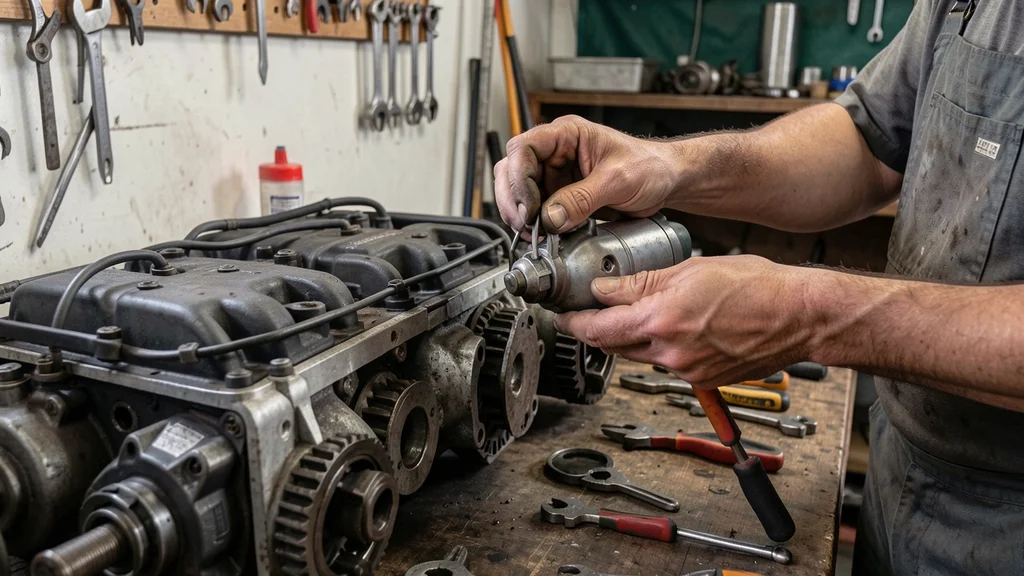
If your diesel engine struggles to turn over, finding the best starter motor for diesel engine performance is critical. A reliable starter ensures quick, consistent ignition even in cold weather or after long periods of inactivity. The right model depends on your engine size, voltage requirements, and durability needs.
The best starter motor for diesel engine use is a high-torque 12V or 24V model with heavy-duty construction. Look for gear reduction designs for large engines and cold-weather reliability.
Why Diesel Engines Need Special Starters
Diesel engines require more torque to turn over due to their higher compression ratios compared to gasoline engines. This makes the starter motor a critical component that must deliver consistent power under demanding conditions.
- Higher compression means more resistance during startup
- Cold weather performance is crucial for diesel applications
- Durability matters as diesel starters work harder than gasoline counterparts
- Voltage requirements often differ (12V for smaller, 24V for larger engines)
- Gear reduction designs provide more torque for big engines
According to the Diesel Technology Forum, diesel engines typically require 2-3 times the cranking power of equivalent gasoline engines. This explains why standard starters often fail prematurely on diesel applications.
| Engine Size | Recommended Starter Type | Voltage |
|---|---|---|
| Under 4L | Direct drive | 12V |
| 4L-8L | Gear reduction | 12V |
| 8L-12L | Heavy-duty gear reduction | 24V |
| 12L+ | Industrial-grade | 24V |
The table above shows how starter requirements scale with engine size. Larger displacement diesels universally need more robust solutions.
Top 5 Best Starter Motors for Diesel Engines
Tip: Always match the starter’s torque rating to your engine’s displacement. Underpowered starters burn out quickly on large diesels.
1. Bosch 0001308001 – Best Overall for Most Diesel Applications
The Bosch 0001308001 stands out as the most reliable choice for a wide range of diesel engines. Its gear reduction design delivers exceptional torque while maintaining compact dimensions.
This model features a permanent magnet motor that provides consistent power even after thousands of starts. The heavy-duty solenoid ensures positive engagement every time.
- 12V operation suitable for most light to medium diesel engines
- Gear reduction provides 3.5:1 torque multiplication
- Clockwise rotation (standard for most applications)
- Direct bolt-on replacement for many brands
- Weighs only 12.5 lbs despite its power
| Pros | Cons |
|---|---|
| Exceptional durability | Higher price point |
| Excellent cold weather performance | Not for 24V systems |
| Easy installation | Limited to smaller engines |
Best For: Daily drivers and work trucks with engines under 6L
2. Denso 280-0101 – Best for Heavy-Duty Trucks
The Denso 280-0101 is built for the toughest conditions, making it ideal for commercial diesel applications. Its robust construction handles extreme temperatures and frequent starts without failure.
This 24V starter features a high-torque design that can turn over engines up to 12 liters. The planetary gear reduction system provides maximum cranking power while minimizing size and weight.
- 24V system for large diesel engines
- Planetary gear reduction for maximum torque
- Heavy-duty solenoid with copper contacts
- Sealed against dust and moisture
- Meets or exceeds OE specifications
Important: This starter requires a 24V electrical system. Do not attempt to use it with 12V systems as it will not function properly.
Best For: Large trucks, buses, and industrial equipment with 24V systems
3. ACDelco 336-1956 – Best Budget Option
For those needing a reliable starter without breaking the bank, the ACDelco 336-1956 offers excellent value. It delivers solid performance for smaller diesel engines while maintaining good durability.
This direct drive starter works well for engines under 4 liters. While it lacks the torque multiplication of gear reduction models, it provides consistent starts for properly maintained engines.
- Affordable price point
- Direct drive design
- 12V operation
- Lightweight at 8.5 lbs
- One-year warranty
| Feature | Specification |
|---|---|
| Voltage | 12V |
| Rotation | Clockwise |
| Teeth | 9 |
| Warranty | 1 year |
Best For: Older diesel cars and light trucks with smaller engines
4. DB Electrical SMT0044 – Best for Cold Weather
If you operate in extreme cold climates, the DB Electrical SMT0044 is specifically designed to handle these conditions. Its high-cranking amp rating ensures reliable starts even in sub-zero temperatures.
This starter features a gear reduction design that provides additional torque when you need it most. The heavy-duty construction resists corrosion and wear from road salt and harsh conditions.
- Gear reduction for extra torque
- High cranking amps (1,200+)
- 12V operation
- Corrosion-resistant housing
- Direct replacement for many popular models
Warning: Always check your battery health before winter. A weak battery will struggle even with the best starter in cold weather.
Best For: Vehicles in cold climates or seasonal use applications
5. TYC 1-10030 – Best for Compact Diesel Engines
The TYC 1-10030 is an excellent choice for smaller diesel engines found in compact trucks and cars. Its compact size makes it easy to install in tight engine bays while still providing reliable performance.
This direct drive starter offers a good balance between price and performance. While not suitable for large engines, it provides consistent starts for properly maintained compact diesels.
- Compact design for tight spaces
- Lightweight at 7.2 lbs
- 12V operation
- Direct drive system
- Meets OE specifications
| Compatibility | Engine Size |
|---|---|
| VW TDI 1.9L | Under 2.5L |
| Ford 6.0L Powerstroke | Under 4L |
| Cummins 4B | Under 4L |
Best For: Compact diesel cars and small trucks with engines under 4L
Key Features to Consider When Choosing
Selecting the right starter involves more than just matching your engine size. Several technical specifications determine whether a starter will work effectively for your specific application.
Torque Rating
The torque rating indicates how much rotational force the starter can produce. For diesel engines, you generally want:
- Under 4L: 150-200 ft-lbs
- 4L-8L: 200-300 ft-lbs
- 8L+: 300+ ft-lbs
Gear reduction starters typically provide 2-4 times more torque than direct drive models of the same size.
Voltage Requirements
Most light-duty diesel applications use 12V systems, while heavy-duty trucks and equipment often require 24V:
- 12V: Cars, light trucks, small diesel engines
- 24V: Large trucks, buses, industrial equipment
Using the wrong voltage will either prevent the starter from working or cause immediate damage.
Gear Reduction vs Direct Drive
| Feature | Gear Reduction | Direct Drive |
|---|---|---|
| Torque | High | Moderate |
| Size | Compact | Larger |
| Weight | Light | Heavy |
| Cost | Higher | Lower |
| Durability | Excellent | Good |
Gear reduction starters are generally better for diesel applications due to their higher torque output and compact size, though they come at a premium price.
Mounting Configuration
Starters come in different mounting configurations to fit various engine designs:
- Block mount: Most common, bolts directly to engine block
- Nose mount: Extends into the bellhousing
- Offset mount: For engines with limited space
Always verify the mounting style matches your engine before purchasing.
Installation Tips for Diesel Starters
Proper installation is crucial for getting the most out of your new starter. Follow these steps to ensure a successful replacement.
Tools You Will Need
- Socket set and wrenches
- Screwdrivers (flathead and Phillips)
- Pry bar (for stubborn bolts)
- Wire brush and cleaning supplies
- Dielectric grease
- Torque wrench
- Jack and jack stands (if working under vehicle)
Step-by-Step Installation Process
- Disconnect the battery
Always start by disconnecting the negative battery terminal to prevent electrical shorts. This is a critical safety step that should never be skipped. - Locate the starter
On most engines, the starter is mounted near the bottom of the engine block, close to where the transmission meets the engine. Consult your service manual for the exact location. - Remove electrical connections
Carefully disconnect all wires from the starter solenoid. Take note of their positions or take photos for reference during reinstallation. The large cable from the battery is usually connected to the main terminal. - Remove mounting bolts
Starter bolts are typically tight and may require penetrating oil if they’re corroded. Use the correct size socket to avoid rounding the bolt heads. Some starters have two bolts, others have three. - Remove the old starter
Once all bolts are removed, carefully pull the starter away from the engine. It may require some wiggling to free it from the mounting surface. - Clean the mounting surface
Use a wire brush to clean the engine block where the starter mounts. This ensures good contact and prevents grounding issues with the new starter. - Install the new starter
Position the new starter and hand-tighten the mounting bolts. Make sure it’s properly aligned before fully tightening the bolts to the manufacturer’s specified torque. - Reconnect electrical connections
Reattach all wires to their original positions. Apply dielectric grease to the battery terminal connection to prevent corrosion. - Test the installation
Reconnect the battery and test the starter. The engine should turn over smoothly. If it doesn’t, double-check all connections before attempting to start again.
Important: Never force a starter that doesn’t seem to fit. Double-check the part number and mounting configuration before attempting installation.
Common Installation Mistakes
- Incorrect torque: Over-tightening mounting bolts can damage the starter housing. Always use a torque wrench and follow manufacturer specifications.
- Poor electrical connections: Loose connections can cause voltage drops and starter failure. Ensure all terminals are clean and tight.
- Wrong starter: Installing a starter with the wrong rotation or voltage will prevent the engine from starting. Always verify compatibility.
- Ignoring the solenoid: The solenoid is a critical component. If it’s not working properly, the starter won’t engage the flywheel.
- Skipping the test: Always test the starter before fully installing to ensure it works properly.
Maintenance Tips for Long Starter Life
Regular maintenance can significantly extend the life of your diesel starter. These simple steps can prevent premature failure and ensure reliable starts.
Regular Cleaning
Dirt and grime can accumulate on the starter, leading to poor electrical connections and overheating:
- Clean the starter housing with a damp cloth regularly
- Use compressed air to blow out dust from the solenoid
- Check for oil leaks that might be contaminating the starter
- Keep battery terminals clean and corrosion-free
Electrical System Check
A healthy electrical system is crucial for starter longevity:
- Test your battery regularly – it should have at least 12.6V when fully charged
- Check alternator output – it should be between 13.8V and 14.4V when the engine is running
- Inspect all cables and connections for corrosion or damage
- Verify the starter is receiving proper voltage during cranking
Tip: If your starter cranks slowly, it’s often a sign of battery or connection issues rather than a failing starter. Check these first before replacing the starter.
Lubrication
While starters are generally sealed units, some maintenance points benefit from occasional lubrication:
- Apply dielectric grease to electrical connections
- Lubricate mounting bolts to prevent seizing
- Check the bendix drive for proper operation (if accessible)
Avoid over-lubricating as excess grease can attract dirt and debris.
Usage Habits
How you use your starter affects its lifespan:
- Avoid excessive cranking: If the engine doesn’t start within 10-15 seconds, stop and investigate the issue rather than continuing to crank
- Don’t use the starter to move the vehicle: This puts excessive strain on the starter and can damage it
- Warm up the engine properly: In cold weather, use glow plugs or block heaters to reduce strain on the starter
- Address starting issues promptly: If the starter struggles, find and fix the root cause rather than ignoring it
Signs Your Diesel Starter Is Failing
Recognizing the early warning signs of starter failure can save you from being stranded with a vehicle that won’t start. Here are the most common symptoms to watch for.
Slow Cranking
When the engine turns over more slowly than usual, it’s often the first sign of starter trouble:
- The battery may be weak or failing
- Corroded or loose electrical connections
- Worn brushes or commutator in the starter motor
- Internal resistance in the starter
Start by checking the battery voltage and connections before assuming the starter is bad.
Clicking Noise Without Starting
A single click or repeated clicking when turning the key usually indicates:
- The solenoid is engaging but the motor isn’t spinning
- A weak battery that doesn’t have enough power to turn the starter
- Corroded or loose battery terminals
- A faulty solenoid
This is often the most common starter-related issue and can sometimes be fixed by cleaning connections or charging the battery.
Grinding Noise
A grinding noise during startup typically means:
- The starter gear isn’t properly engaging the flywheel
- Worn or damaged teeth on the starter gear or flywheel
- Incorrect starter installation
- Loose mounting bolts allowing the starter to shift
Warning: If you hear grinding, stop attempting to start the engine immediately. Continuing can cause significant damage to both the starter and flywheel.
Intermittent Starting Issues
When the starter works sometimes but not others:
- Loose or corroded electrical connections
- A failing solenoid
- Heat-related issues (starter works when cold but fails when hot)
- Internal starter components breaking down
Intermittent issues can be particularly frustrating to diagnose. Often, the problem will become more consistent as the starter continues to fail.
Starter Runs But Doesn’t Engage Engine
If you hear the starter motor spinning but the engine isn’t turning:
- The solenoid may not be engaging the bendix
- The bendix (gear that engages the flywheel) may be worn out
- There could be a problem with the starter’s one-way clutch
- The starter may be incorrectly installed
This issue usually requires starter replacement as the internal components are typically not serviceable.
Frequently Asked Questions
How long does a diesel starter motor last?
With proper maintenance, a quality diesel starter motor typically lasts between 80,000 to 150,000 miles. In terms of time, this usually translates to 5-10 years depending on usage. Heavy-duty applications or harsh conditions may reduce this lifespan.
Regular maintenance and prompt attention to any starting issues can help maximize your starter’s longevity.
Can I use a gasoline starter on a diesel engine?
No, you should never use a starter designed for a gasoline engine on a diesel application. Diesel starters are built to handle the higher compression ratios and torque requirements of diesel engines. A gasoline starter would likely fail quickly under the increased load and may not provide enough cranking power to start the engine reliably.
Why does my diesel starter work sometimes but not always?
Intermittent starting issues are often caused by electrical problems. The most common culprits are loose or corroded battery terminals, a failing battery, or poor ground connections. It could also indicate a problem with the starter solenoid or internal starter components.
A thorough electrical system check is the best first step in diagnosing this issue.
What’s the difference between 12V and 24V starters?
The voltage rating determines the electrical system the starter is designed to work with. 12V starters are used in most light-duty vehicles and smaller diesel engines, while 24V starters are required for large trucks, buses, and industrial equipment. Using the wrong voltage will either prevent the starter from working or cause immediate damage to the starter or electrical system.
How much does it cost to replace a diesel starter?
The cost varies depending on the vehicle and starter model. For parts alone, you can expect to pay between $150 to $600 for a quality diesel starter. Labor costs typically range from $100 to $300, depending on the complexity of the installation.
Some vehicles require significant disassembly to access the starter, which can increase labor costs. Always get quotes from multiple sources before proceeding with the replacement.
Final Thoughts
Choosing the best starter motor for diesel engine applications comes down to matching the right specifications to your engine’s requirements. Consider torque needs, voltage, and durability for your specific use case. Regular maintenance and prompt attention to any starting issues will ensure your diesel engine starts reliably every time, regardless of conditions.
Leave a Reply