
Choosing the best starter motor for LS engine builds can make or break your project. A weak or mismatched starter leads to slow cranks, overheating, or premature failure—especially with high-compression or forced induction setups. This guide covers top options, key specs, and pro tips to ensure reliable starts every time.
The best starter motor for LS engines is the ACDelco 337-4086 for stock builds or the Powermaster 9504 for high-performance setups. Heavy-duty gear reduction starters like the Jegs 555-10401 handle extreme compression ratios.
Quick Comparison of Top LS Engine Starters
| Starter Model | Type | Torque | Best For | Price Range |
|---|---|---|---|---|
| ACDelco 337-4086 | OEM Replacement | Standard | Stock LS Swaps | $150-$200 |
| Powermaster 9504 | High-Torque | 1.4 kW | Performance Builds | $250-$300 |
| Jegs 555-10401 | Gear Reduction | 1.7 kW | High Compression | $300-$350 |
| Meziere 16006 | Billet Aluminum | 1.5 kW | Race Applications | $400-$450 |
This table highlights the best starter motor for LS engine applications across different budgets and performance needs. Gear reduction starters offer more torque for high-compression builds, while OEM replacements work well for daily drivers.
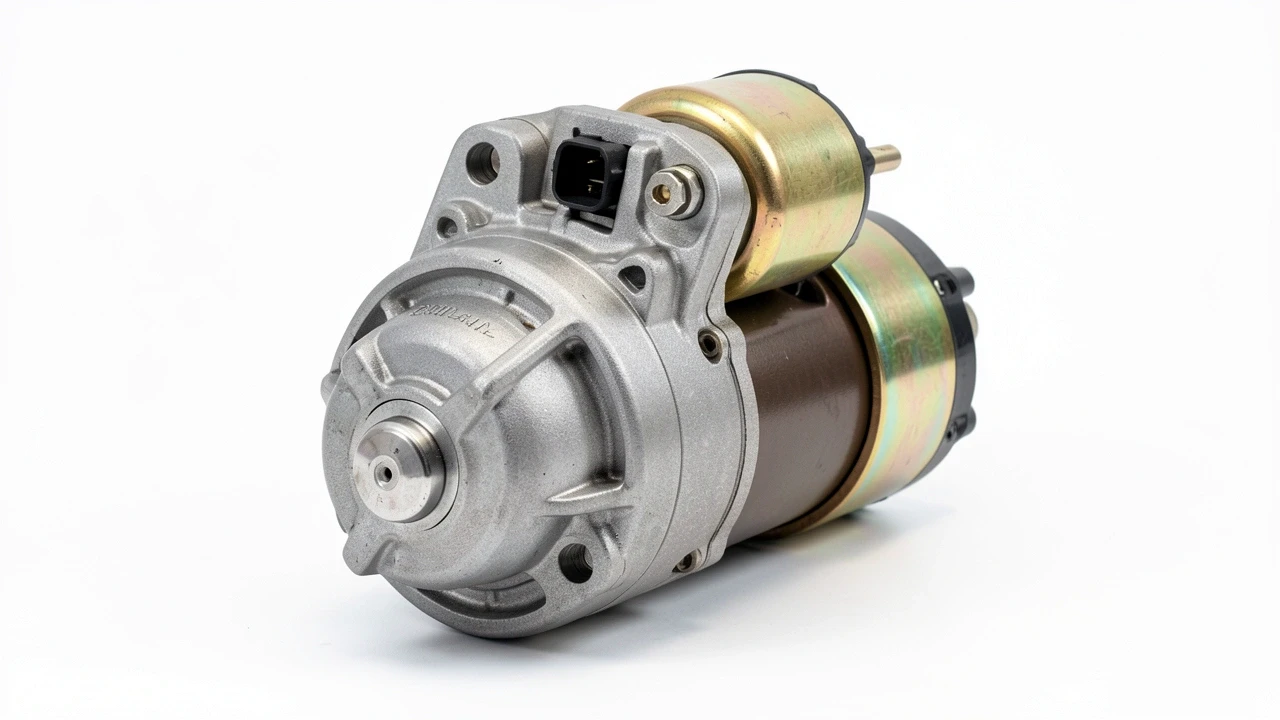
1. ACDelco 337-4086 OEM Replacement Starter
The ACDelco 337-4086 is the go-to OEM replacement for most LS engine swaps. It delivers consistent performance for stock or mildly modified engines without breaking the bank. This starter maintains the factory fitment and reliability GM intended.
Its direct-drive design ensures smooth engagement with the flywheel, and it’s built to handle the heat and vibration of daily driving. The 337-4086 is particularly popular among restomod builders who want to keep things simple and dependable.
- Direct OEM replacement for LS1, LS2, LS3, and LS6 engines
- 1.4 kW power output for reliable starts
- Durable copper windings for extended service life
- Lightweight design at just 12 lbs
- Compatibility with factory wiring harnesses
| Pros | Cons |
|---|---|
| Affordable OEM quality | Not ideal for high compression ratios |
| Easy bolt-on installation | Standard torque may struggle in cold climates |
| Reliable for daily drivers | Not as durable for race applications |
Tip: For engines with compression ratios above 11:1, consider upgrading to a gear reduction starter for better cranking power.
Best For: Stock LS swaps, daily drivers, and budget-conscious builds where OEM reliability is preferred.
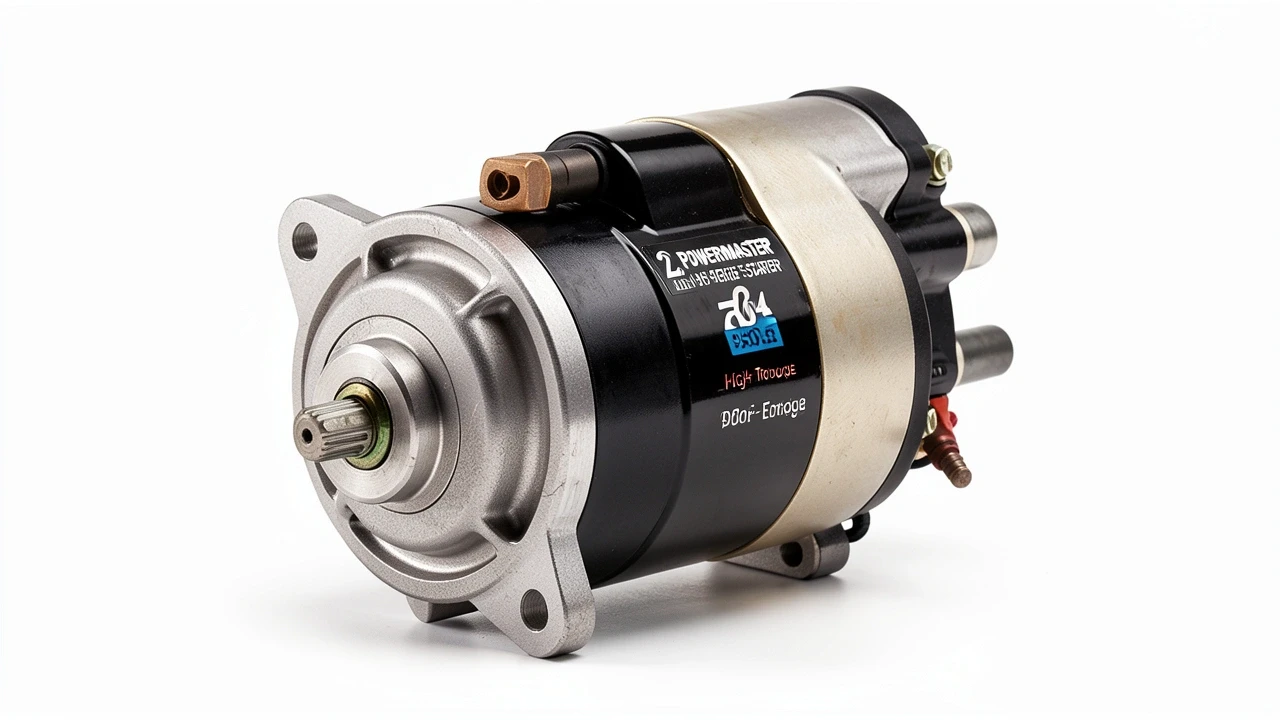
2. Powermaster 9504 High-Torque Starter
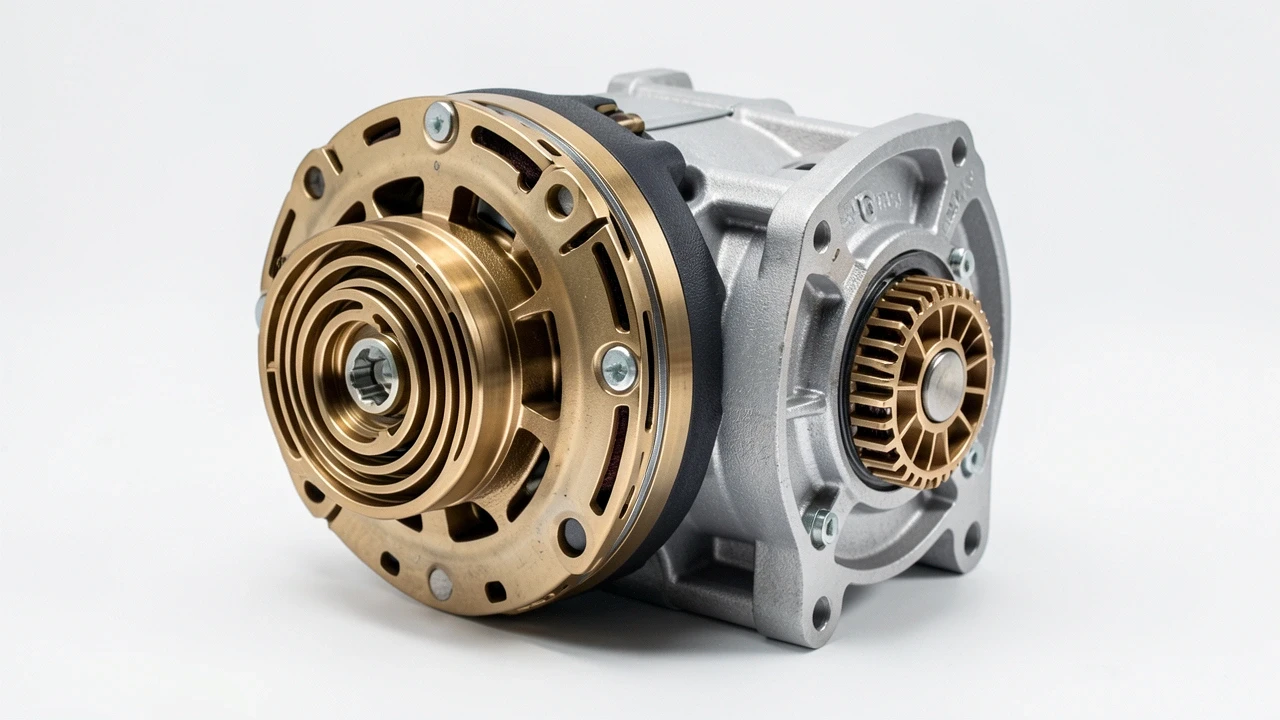
The Powermaster 9504 stands out as one of the best starter motor for LS engine performance applications. With 1.4 kW of cranking power, it handles high-compression builds and forced induction setups with ease. Its compact design fits most LS blocks without modification.
This starter features a high-speed motor with a 3.75:1 gear reduction, providing more torque while drawing less current. The result is faster cranking and reduced strain on your battery and electrical system. It’s a favorite among hot rodders and performance tuners.
- 1.4 kW high-torque output for demanding applications
- 3.75:1 gear reduction for maximum cranking power
- Lightweight at 14 lbs with heavy-duty components
- Compatible with LS1, LS2, LS3, LS6, and LS7 engines
- Includes heat-treated pinion gear for durability
| Feature | Benefit |
|---|---|
| Gear Reduction Design | More torque with less amperage draw |
| High-Speed Motor | Faster engine cranking |
| Heat-Treated Pinion | Longer service life |
| Compact Size | Fits tight engine bays |
Important: The Powermaster 9504 requires a minimum 650 CCA battery for optimal performance in high-compression applications.
Best For: Performance builds, high-compression engines, and forced induction setups where reliable starts are critical.

3. Jegs 555-10401 Gear Reduction Starter
For extreme applications, the Jegs 555-10401 gear reduction starter delivers serious cranking power. With 1.7 kW of output, it’s one of the strongest options available for LS engines. This starter is built for engines with high compression ratios or large cubic inch displacements.
The Jegs starter features a 4.4:1 gear reduction ratio, providing maximum torque while minimizing electrical draw. Its heavy-duty construction includes a billet aluminum nose cone and high-strength steel gears. The result is a starter that can handle the most demanding conditions.
- 1.7 kW of cranking power for extreme applications
- 4.4:1 gear reduction ratio for maximum torque
- Billet aluminum nose cone for durability
- High-strength steel gears for long service life
- Compatible with LS1, LS2, LS3, LS6, LS7, and LQ4/LQ9 engines
- Weighs 16 lbs with heavy-duty components
| Advantage | Disadvantage |
|---|---|
| Highest torque output in class | More expensive than OEM options |
| Handles extreme compression ratios | Slightly heavier than other models |
| Built for racing conditions | May require minor modifications for some applications |
Warning: Always verify your engine’s compression ratio before selecting a starter. Standard starters may fail prematurely on engines with compression ratios above 12:1.
Best For: Extreme performance builds, high-compression engines, and racing applications where maximum cranking power is required.

4. Meziere 16006 Billet Aluminum Starter
The Meziere 16006 represents the premium end of LS engine starters. Constructed from aircraft-quality billet aluminum, this starter is designed for the most demanding racing applications. Its lightweight design and high torque output make it a favorite among professional racers.
With 1.5 kW of cranking power and a 3.7:1 gear reduction, the Meziere 16006 delivers consistent performance even under extreme conditions. The starter’s compact design allows for easy installation in tight engine bays, while its durable construction ensures long service life.
- Billet aluminum construction for lightweight durability
- 1.5 kW of cranking power for high-performance applications
- 3.7:1 gear reduction for optimal torque
- Compact design fits most LS engine configurations
- Includes high-strength steel pinion gear
- Weighs just 13 lbs despite its robust construction
| Performance Metric | Value |
|---|---|
| Cranking Power | 1.5 kW |
| Gear Reduction | 3.7:1 |
| Weight | 13 lbs |
| Material | Billet Aluminum |
The Meziere 16006 is particularly well-suited for drag racing and other high-stress applications where every ounce counts. Its billet aluminum construction not only reduces weight but also improves heat dissipation, which is crucial for maintaining performance in demanding conditions.
Tip: For maximum performance, pair the Meziere 16006 with a high-capacity battery and heavy-duty starter cable.
Best For: Professional racing applications, high-performance builds, and enthusiasts who demand the best components for their LS engine.

Key Factors to Consider When Choosing a Starter
Selecting the best starter motor for LS engine applications requires careful consideration of several factors. The right choice depends on your engine’s specifications, intended use, and budget. Here are the most important aspects to evaluate:
- Engine Compression Ratio: Higher compression ratios require more torque to turn the engine. For ratios above 11:1, a gear reduction starter is recommended.
- Engine Displacement: Larger engines (like the LQ4/LQ9) need more cranking power than smaller ones.
- Intended Use: Daily drivers can often use OEM replacements, while performance or race applications need high-torque starters.
- Budget: Prices range from $150 for OEM replacements to over $400 for premium racing starters.
- Weight: For racing applications, lighter starters can help with overall vehicle weight reduction.
- Compatibility: Ensure the starter fits your specific LS engine model and flywheel configuration.
- Electrical System: High-torque starters may require battery and wiring upgrades to handle increased amperage draw.
| Compression Ratio | Recommended Starter Type | Minimum Torque |
|---|---|---|
| 9:1 – 10.5:1 | OEM Replacement | 1.2 kW |
| 10.5:1 – 12:1 | High-Torque | 1.4 kW |
| 12:1+ | Gear Reduction | 1.6 kW+ |
According to engine builders at COMP Cams, over 60% of starter failures in performance applications are due to mismatched torque ratings for the engine’s compression ratio. Properly sizing your starter can prevent premature wear and ensure reliable performance.
Installation Tips for LS Engine Starters
Proper installation is crucial for getting the most out of your new starter. Even the best starter motor for LS engine setups won’t perform well if installed incorrectly. Follow these steps for a successful installation:
- Disconnect the Battery: Always disconnect the negative battery cable before beginning any work on the starter or electrical system.
- Remove the Old Starter: Disconnect the wiring harness and remove the mounting bolts. Some LS engines may require removing the oil filter or other components for access.
- Inspect the Flywheel: Check the flywheel teeth for wear or damage. Replace if necessary to prevent premature starter failure.
- Position the New Starter: Carefully position the new starter and secure it with the mounting bolts. Ensure proper alignment with the flywheel.
- Connect the Wiring: Reconnect the battery cable to the starter solenoid and the smaller wire to the activation terminal.
- Check Clearances: Verify there’s adequate clearance between the starter and other components, especially in tight engine bays.
- Test the Installation: Reconnect the battery and test the starter before completing the installation. Listen for smooth operation and proper engagement.
Important: Always use the correct torque specifications when tightening starter mounting bolts. Over-tightening can damage the starter housing, while under-tightening can lead to misalignment and premature wear.
- Recommended torque for starter mounting bolts: 35-40 ft-lbs
- Use a thread locker on bolts to prevent loosening from vibration
- Check starter operation after the engine has cooled to verify proper engagement
- For gear reduction starters, ensure proper pinion gear clearance with the flywheel
Common Mistakes to Avoid
Even experienced mechanics can make mistakes when installing or selecting a starter for an LS engine. Being aware of these common pitfalls can save you time, money, and frustration:
- Ignoring Compression Ratio: Using a standard starter on a high-compression engine will lead to slow cranking and potential failure. Always match the starter to your engine’s compression ratio.
- Overlooking Electrical System: High-torque starters draw more current. Ensure your battery, cables, and alternator can handle the increased load.
- Improper Shimming: Incorrect shimming between the starter and engine can cause gear misalignment, leading to premature wear on both the starter and flywheel.
- Neglecting Maintenance: Starters require periodic inspection. Check for worn brushes, damaged solenoids, and loose connections.
- Using Wrong Bolt Pattern: LS engines have different starter bolt patterns depending on the model year and configuration. Verify compatibility before purchase.
- Ignoring Weight Distribution: In racing applications, consider how the starter’s weight affects the vehicle’s balance and performance.
| Mistake | Potential Consequence | Solution |
|---|---|---|
| Wrong Starter Type | Premature failure, slow cranking | Match starter to compression ratio |
| Inadequate Battery | Insufficient cranking power | Upgrade to minimum 650 CCA battery |
| Poor Ground Connection | Erratic starter operation | Clean and secure all ground connections |
Warning: Never use a starter with a damaged pinion gear. This can cause catastrophic damage to your flywheel, requiring expensive repairs.
Performance Upgrades and Accessories
To get the most out of your best starter motor for LS engine setup, consider these performance upgrades and accessories:
- High-Capacity Battery: A battery with at least 650 CCA (Cold Cranking Amps) ensures your starter has the power it needs, especially in cold climates.
- Heavy-Duty Starter Cables: Upgraded cables reduce voltage drop and improve power delivery to the starter.
- Starter Heat Shield: Protects the starter from excessive engine heat, which can reduce its lifespan.
- Remote Solenoid: Allows for easier activation and can help in tight engine bays where accessing the starter directly is difficult.
- Flexplate/Flywheel Upgrades: Lightweight or high-strength flexplates can improve starter engagement and overall performance.
- Voltage Booster: For extreme applications, a voltage booster can provide additional cranking power when needed.
- Install a battery disconnect switch for added safety during maintenance or storage.
- Consider a starter blanket for drag racing applications to protect against debris.
- Use high-temperature starter spray to protect components in extreme heat conditions.
- Upgrade to a high-output alternator to keep your electrical system charged during repeated starts.
- Consider a push-button start system for added convenience and a clean engine bay look.
| Accessory | Benefit | Estimated Cost |
|---|---|---|
| High-Capacity Battery | Improved cranking power | $150-$300 |
| Heavy-Duty Cables | Reduced voltage drop | $50-$150 |
| Starter Heat Shield | Extended starter life | $30-$80 |
| Remote Solenoid | Easier activation | $40-$100 |
According to a study by Summit Racing, proper electrical system upgrades can improve starter performance by up to 30% in high-compression applications. Investing in these accessories can significantly enhance the reliability and longevity of your starter system.
Frequently Asked Questions
What is the difference between a standard and gear reduction starter?
A standard starter uses a direct-drive system, while a gear reduction starter uses internal gears to increase torque output. Gear reduction starters provide more cranking power with less electrical draw, making them ideal for high-compression or large displacement engines.
How do I know if my LS engine needs a high-torque starter?
If your engine has a compression ratio above 11:1, forced induction, or a large displacement (like the LQ4/LQ9), you’ll benefit from a high-torque starter. Signs you need an upgrade include slow cranking, especially in cold weather, or the starter struggling to turn the engine over.
Can I use a non-GM starter on my LS engine?
Yes, many aftermarket starters are designed specifically for LS engines. However, it’s crucial to verify compatibility with your specific engine model and flywheel configuration. Some aftermarket starters may require minor modifications for proper fitment.
What maintenance does an LS engine starter require?
Regular maintenance includes checking the battery and electrical connections, inspecting the starter for damage or wear, and ensuring proper alignment with the flywheel. For performance applications, it’s also important to check the pinion gear and solenoid periodically.
How long should a starter last on an LS engine?
With proper maintenance, a quality starter should last between 80,000 to 100,000 miles in daily driving applications. In performance or racing applications, the lifespan may be shorter due to increased stress. Using the correct starter for your application can significantly extend its service life.
Final Thoughts
Choosing the best starter motor for LS engine applications comes down to matching the starter to your specific needs. For stock builds, the ACDelco 337-4086 offers reliable OEM performance. Performance enthusiasts should consider the Powermaster 9504, while extreme applications benefit from the Jegs 555-10401 or Meziere 16006.
Remember to consider your engine’s compression ratio, intended use, and budget when making your selection. Proper installation and maintenance will ensure years of reliable service from your chosen starter.
Leave a Reply