
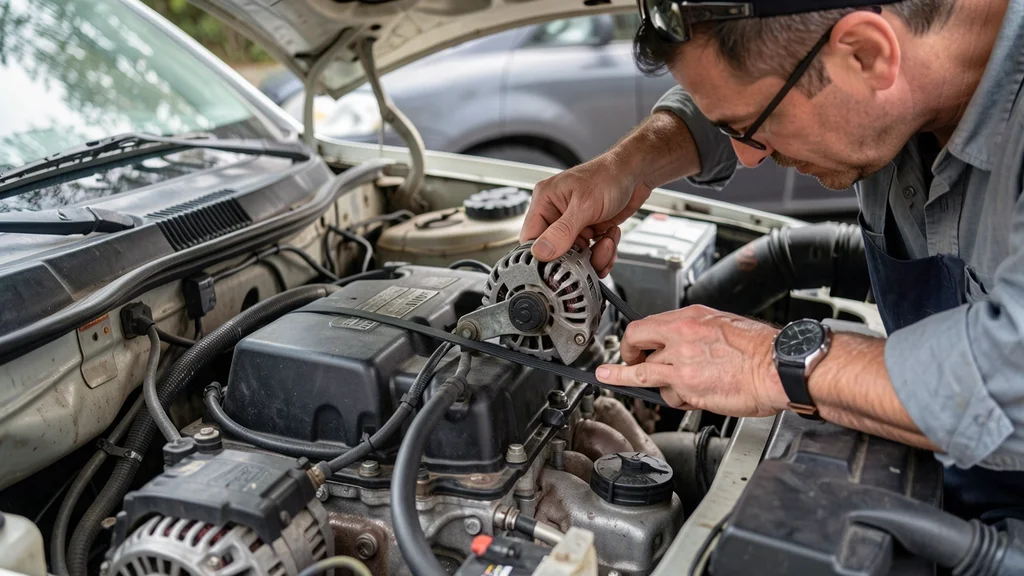
The alternator belt is a critical part of your car’s charging system, and many drivers wonder can you drive car without alternator belt without causing serious damage. This component keeps the battery charged and powers essential electrical systems while the engine runs. If it fails, you might face immediate issues like dim headlights, a dead battery, or even engine overheating.
Understanding the risks and limitations of driving without it can help you avoid costly repairs or dangerous breakdowns.
You can drive a very short distance without an alternator belt but it is extremely risky. The battery will power essential systems for a few miles only and the engine may overheat quickly if the belt also drives the water pump. Never attempt long trips.
What Happens When the Alternator Belt Fails
The alternator belt, often called the serpentine belt, connects the engine’s crankshaft to the alternator, power steering pump, air conditioning compressor, and sometimes the water pump. When this belt snaps or slips off, the alternator stops generating electricity. Without it, the battery takes over but will drain rapidly.
Most cars will run for about 5 to 30 minutes on battery power alone, depending on the battery’s health and electrical load. However, if your alternator belt also drives the water pump—which is common in many modern vehicles—the engine will overheat within minutes. This can lead to severe damage, including a blown head gasket or warped engine components.
- Battery Drain: The battery powers all electrical systems, including lights, radio, and ignition.
- Engine Overheating: If the belt drives the water pump, coolant stops circulating, causing rapid overheating.
- Power Steering Loss: The steering becomes stiff and difficult to control.
- AC Failure: The air conditioning stops working immediately.
- Warning Lights: The battery or check engine light will illuminate on the dashboard.
Warning: Driving more than a few miles without an alternator belt can destroy your engine, especially if it drives the water pump. Pull over immediately if the belt fails.
How Far Can You Drive Without an Alternator Belt
The distance you can drive without an alternator belt depends on several factors, including battery health, electrical load, and whether the belt drives the water pump. In most cases, you can expect the following:
| Factor | Estimated Driving Distance |
|---|---|
| Strong Battery, Minimal Electrical Load | 15-30 minutes |
| Weak Battery, Heavy Electrical Load | 5-10 minutes |
| Belt Drives Water Pump | 2-5 minutes before overheating |
| Battery Completely Dead | Engine stalls immediately |
These estimates are rough guidelines. The actual distance can vary based on your car’s make and model, as well as driving conditions. For example, driving at night with headlights on will drain the battery faster than driving during the day with minimal electrical use.
Signs Your Alternator Belt Is Failing
Recognizing the early signs of a failing alternator belt can help you address the issue before it leaves you stranded. Here are the most common symptoms to watch for:
- Squealing Noise: A high-pitched squeal, especially when accelerating or starting the engine, often indicates a worn or loose belt. This noise is caused by the belt slipping against the pulleys.
- Dim or Flickering Lights: If your headlights or dashboard lights dim or flicker, it could mean the alternator isn’t charging the battery properly.
- Battery Warning Light: The battery or charging system warning light on your dashboard is a clear sign of an issue with the alternator or its belt.
- Electrical Issues: Problems with power windows, locks, or the radio may indicate a failing alternator belt, as these systems rely on consistent electrical power.
- Engine Overheating: If the belt drives the water pump, a sudden temperature spike could mean the belt has failed.
- Visible Wear: Cracks, fraying, or glazing on the belt are visible signs of wear that require immediate attention.
- Accessory Failure: If the power steering or air conditioning stops working, it could be due to a broken alternator belt.
Tip: If you hear a squealing noise, check the belt tension and condition immediately. A quick inspection can prevent a breakdown.
Can You Drive Home Without an Alternator Belt
Driving home without an alternator belt is generally not recommended, but there are rare situations where it might be unavoidable. If you’re only a few minutes away from home or a repair shop, and your car isn’t overheating, you might be able to make it. However, you should follow these precautions:
- Turn Off Non-Essential Electrical Systems: Shut off the radio, air conditioning, and any other non-essential electrical components to reduce the load on the battery.
- Avoid Stopping: Every time you stop and restart the engine, you drain the battery further. Try to keep moving if possible.
- Drive Slowly: Higher speeds increase the electrical load on the battery. Drive at a moderate speed to conserve power.
- Watch the Temperature Gauge: If your car’s alternator belt also drives the water pump, monitor the temperature gauge closely. If it starts to rise, pull over immediately.
- Use Hazard Lights Sparingly: Only use your hazard lights if absolutely necessary, as they draw significant power from the battery.
According to AAA, over 30% of roadside assistance calls are related to battery or charging system issues. Many of these could be prevented with regular maintenance and timely belt replacement.
What to Do If Your Alternator Belt Breaks
If your alternator belt breaks while driving, follow these steps to minimize damage and stay safe:
- Pull Over Safely: As soon as you notice symptoms like a squealing noise, dim lights, or warning lights, pull over to a safe location away from traffic.
- Turn Off the Engine: Shut off the engine to prevent further damage, especially if the belt drives the water pump.
- Check the Belt: Open the hood and inspect the alternator belt for visible damage or detachment. If it’s broken, do not attempt to drive further.
- Call for Assistance: Contact a tow truck or roadside assistance service. Driving without an alternator belt is risky and not worth the potential damage to your engine.
- Jump-Start if Necessary: If your battery is dead and you’re in a safe location, you can attempt a jump-start to get the car running temporarily. However, this is only a short-term solution.
- Get a Tow: The safest option is to have your car towed to a repair shop for a professional inspection and belt replacement.
Important: Never attempt to drive long distances without an alternator belt. The risks far outweigh the convenience.
How to Temporarily Fix an Alternator Belt
If you’re stranded and need a temporary fix to get to a repair shop, there are a few options, though none are ideal for long-term use. These fixes should only be used in emergencies:
| Temporary Fix | How It Works | Limitations |
|---|---|---|
| Belt Tensioner Adjustment | Tighten the belt tensioner to improve grip | Only works if the belt is loose, not broken |
| Duct Tape or Zip Ties | Wrap around the belt to hold it in place | Very short-term, not reliable |
| Spare Belt from Another Car | Use a compatible belt from another vehicle | Size and type must match exactly |
| Jump-Start and Drive | Jump-start the car and drive directly to a shop | Battery will drain quickly |
These temporary fixes are not recommended for long-term use. The best course of action is to have the belt replaced by a professional as soon as possible. According to the National Institute for Automotive Service Excellence (ASE), a broken alternator belt is one of the top causes of roadside breakdowns, and proper maintenance can prevent most of these issues.
Long-Term Damage from Driving Without an Alternator Belt
Driving without an alternator belt, even for a short distance, can cause significant long-term damage to your vehicle. Here’s what could happen:
- Dead Battery: The battery will drain completely, leaving you stranded. Repeated deep discharges can shorten the battery’s lifespan significantly.
- Engine Overheating: If the belt drives the water pump, the engine can overheat, leading to warped cylinder heads, blown head gaskets, or even a seized engine. Repairs can cost thousands of dollars.
- Alternator Damage: Running the alternator without a belt can damage its bearings or internal components, leading to a costly replacement.
- Power Steering Failure: Losing power steering makes the car difficult to control, especially at low speeds or in parking lots, increasing the risk of an accident.
- Electrical System Damage: Voltage spikes or drops can damage sensitive electronics, such as the ECU, sensors, or infotainment system.
- Reduced Fuel Efficiency: The engine may run less efficiently without proper electrical power, leading to poor performance and higher fuel consumption.
Warning: Driving without an alternator belt can void your warranty or cause damage that isn’t covered by insurance. Always address the issue immediately.
How to Prevent Alternator Belt Failure
Preventing alternator belt failure starts with regular maintenance and inspections. Here are some proactive steps to keep your belt in good condition:
- Regular Inspections: Check the alternator belt every 6,000 to 10,000 miles for signs of wear, such as cracks, fraying, or glazing. Replace it if you notice any damage.
- Follow the Manufacturer’s Schedule: Most car manufacturers recommend replacing the alternator belt every 60,000 to 100,000 miles, depending on the vehicle. Check your owner’s manual for specific guidelines.
- Keep the Belt Clean: Dirt, oil, or debris on the belt can cause it to slip or wear out faster. Clean the belt and pulleys regularly to prevent buildup.
- Check Belt Tension: A loose belt can slip and wear out quickly, while an overly tight belt can strain the alternator and other components. Ensure the tension is set correctly.
- Listen for Unusual Noises: A squealing noise is often the first sign of a failing belt. Address it immediately to avoid a breakdown.
- Replace Other Components: If the belt tensioner, idler pulley, or alternator itself is worn, replace these components at the same time as the belt to prevent future issues.
- Use Quality Parts: Always use high-quality belts and components that meet or exceed the manufacturer’s specifications. Cheap parts may fail prematurely.
According to a study by the Car Care Council, nearly 80% of vehicles fail at least one component of their annual inspection, with belts and hoses being among the most common issues. Regular maintenance can help you avoid becoming part of this statistic.
Frequently Asked Questions
Can you drive a car with a broken alternator belt?
You can drive a very short distance, typically a few miles or less, but it’s not recommended. The battery will drain quickly, and if the belt drives the water pump, the engine will overheat. Pull over as soon as you notice the issue.
How long can a car run without an alternator belt?
Most cars can run for about 5 to 30 minutes on battery power alone, depending on the battery’s health and electrical load. If the belt drives the water pump, the engine may overheat within 2 to 5 minutes.
What happens if you keep driving with a bad alternator belt?
Continuing to drive can lead to a dead battery, engine overheating, and damage to the alternator or other components. In severe cases, it can cause permanent engine damage, such as a blown head gasket.
Can a car start without an alternator belt?
Yes, a car can start without an alternator belt, as the battery provides the initial power needed for ignition. However, the battery will drain quickly, and the engine may not run for long without the alternator charging it.
How much does it cost to replace an alternator belt?
The cost of replacing an alternator belt varies depending on the make and model of your car. Typically, the belt itself costs between $20 and $80, while labor can range from $50 to $200. If other components, like the tensioner or pulleys, need replacement, the cost will be higher.
Final Thoughts
While you might be able to drive a very short distance without an alternator belt, it’s not worth the risk. The potential for engine damage, battery drain, or a complete breakdown far outweighs the convenience of a temporary fix. Regular inspections and timely replacements are the best ways to avoid this issue.
If your alternator belt fails, pull over safely and call for assistance to prevent costly repairs.
Leave a Reply