
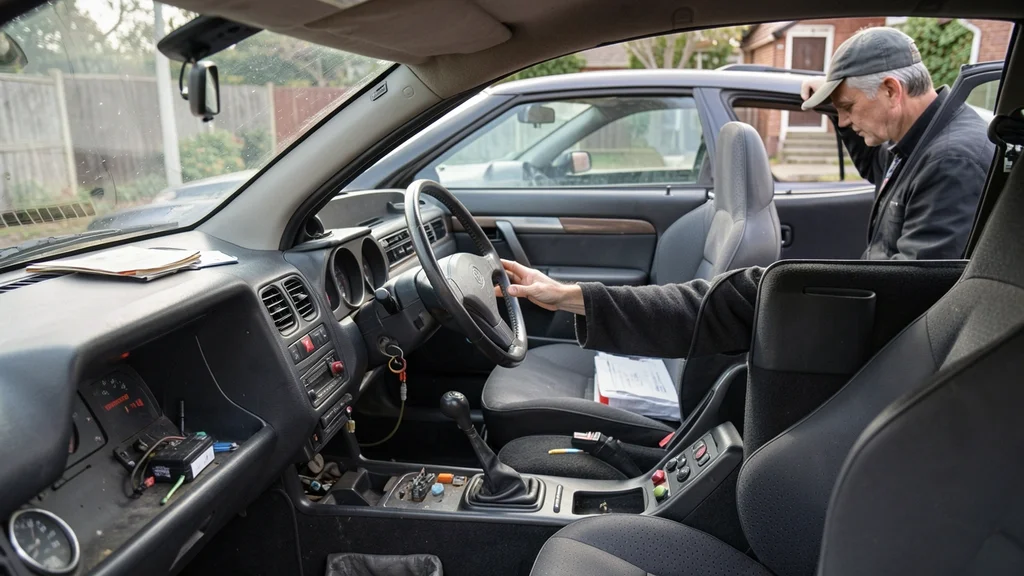
If your car’s battery light glows on the dashboard, you might wonder can you drive car without alternator and how far you can go. The alternator keeps your battery charged and powers electrical systems while the engine runs. Without it, your car relies solely on the battery, which drains quickly.
This post explains the risks, signs of failure, and what to do if your alternator stops working.
You can drive a short distance without an alternator but only until the battery dies, usually 30 minutes to an hour depending on electrical load. After that, your car will stall and leave you stranded.
How the Alternator Works in Your Car
The alternator is a generator that converts mechanical energy from the engine into electrical energy. It recharges the battery and powers the car’s electrical systems like lights, radio, and ignition while the engine runs. Without it, the battery takes over but drains rapidly.
Key functions of an alternator:
- Charges the battery while the engine is running
- Powers electrical components like headlights and dashboard
- Maintains a stable voltage (typically 13.5-14.5 volts)
- Prevents the battery from draining during operation
- Works with the voltage regulator to control power output
According to AAA, a typical car battery holds about 48 amp-hours of charge. Without the alternator replenishing it, high-drain systems like headlights or air conditioning can deplete it in under an hour.
Important: Modern cars with fuel injection rely entirely on electricity to run. Once the battery dies, the engine stops immediately.
Signs Your Alternator Is Failing
Catching alternator problems early can prevent being stranded. Watch for these warning signs:
- Battery Warning Light: The most obvious sign. This light usually looks like a battery or says “ALT” or “GEN”.
- Dim or Flickering Lights: Headlights or interior lights that dim or flicker, especially when idling.
- Weak or Dead Battery: If your battery dies frequently or struggles to start the car, the alternator may not be charging it.
- Strange Noises: A whining or grinding noise from the engine bay often indicates a failing alternator bearing.
- Electrical Issues: Malfunctioning power windows, seats, or dashboard gauges.
- Smell of Burning Rubber: A failing alternator can overheat belts, creating a burnt rubber smell.
- Stalling or Difficulty Starting: The engine may stall or be hard to start if the battery isn’t charged.
| Symptom | Likely Cause | Severity |
|---|---|---|
| Battery light on | Alternator not charging | High |
| Dim headlights | Low voltage output | Medium |
| Grinding noise | Worn bearing | High |
| Burning smell | Overheating alternator | High |
A study by the National Highway Traffic Safety Administration found that electrical system failures, including alternator issues, account for about 5% of all vehicle breakdowns.
How Far Can You Drive Without an Alternator
The distance you can drive without an alternator depends on several factors. With a fully charged battery, you typically have 30 minutes to an hour of driving time. However, this varies based on:
- Battery Condition: A new, healthy battery holds charge longer than an old one.
- Electrical Load: Using headlights, air conditioning, or stereo drains the battery faster.
- Driving Conditions: Stop-and-go traffic uses more electrical power than highway driving.
- Vehicle Type: Modern fuel-injected cars die almost immediately, while older carbureted cars might run a bit longer.
- Battery Capacity: Larger batteries (higher amp-hours) provide more reserve time.
| Scenario | Estimated Driving Time |
|---|---|
| All accessories off, highway driving | 45-60 minutes |
| Headlights on, no other accessories | 20-30 minutes |
| Headlights + A/C + radio | 10-20 minutes |
| Night driving with all accessories | 5-15 minutes |
Tip: If your alternator fails, turn off all non-essential electrical systems immediately to maximize your driving time.
In a test by Popular Mechanics, a modern sedan with a dead alternator could only travel about 25 miles with headlights on before the battery died completely.
What Happens When You Drive Without an Alternator
As you drive without a working alternator, several things happen in sequence:
- Battery Drain Begins: The alternator stops charging, so the battery starts powering everything. Voltage drops from ~14V to ~12V.
- Electrical Systems Weaken: Lights dim, power windows move slower, and the radio may cut in and out.
- Warning Lights Appear: The battery warning light illuminates, often accompanied by other dashboard warnings.
- Engine Performance Suffers: The fuel pump and ignition system get less power, causing rough idling or misfires.
- Complete Electrical Failure: All electrical systems shut down. Power steering (if electric) becomes harder to turn.
- Engine Stalls: The fuel injectors and ignition system lose power, and the engine dies.
Modern fuel-injected engines require constant electrical power to keep running. Unlike older carbureted engines that could sometimes run on mechanical systems alone, today’s cars will stall almost immediately when the battery dies.
According to a report by the Car Care Council, over 10% of vehicles on the road have electrical system issues, with alternator failure being one of the most common.
Can You Jump Start a Car With a Bad Alternator
Yes, you can jump start a car with a bad alternator, but it won’t solve the underlying problem. The jump start provides enough power to start the engine, but once the jumper cables are removed, the alternator still won’t charge the battery.
Here’s what happens when you try to jump start with a bad alternator:
- The car will start and run as long as the jumper cables are connected.
- Once disconnected, the battery will quickly drain again.
- If you try to drive away, you’ll only have the same limited time as before the jump start.
- The battery warning light will likely stay on, indicating the alternator isn’t charging.
| Action | Result | Solution |
|---|---|---|
| Jump start with bad alternator | Car starts but battery light stays on | Drive directly to repair shop |
| Remove jumper cables | Car dies when battery drains | Keep cables connected until at destination |
Warning: Never try to “charge” the battery by revving the engine with a bad alternator. This can damage the battery and won’t solve the problem.
What to Do If Your Alternator Fails While Driving
If you notice alternator failure symptoms while driving, follow these steps to maximize your safety and distance:
- Stay Calm and Assess: Note which warning lights are on and how the car is behaving.
- Turn Off Accessories: Shut off the radio, air conditioning, and any other non-essential electrical systems.
- Head to Safety: Drive to the nearest safe location, repair shop, or your home if it’s close.
- Avoid Night Driving: If it’s getting dark, pull over immediately. Headlights will drain the battery very quickly.
- Use Hazard Lights Sparingly: Only use them when necessary, as they draw significant power.
- Call for Help: If you’re far from help, call a tow truck or roadside assistance.
If you must drive to get help:
- Drive during daylight hours if possible
- Take the most direct route
- Avoid stop-and-go traffic
- Keep your speed steady to minimize electrical load
- If the engine starts to stall, pull over immediately
According to AAA, the average cost of a tow is between $75 and $125, which is often cheaper than risking further damage to your vehicle by trying to drive with a dead alternator.
How to Test Your Alternator
Testing your alternator is straightforward and can be done with a few simple tools. Here’s how to do it:
- Visual Inspection: Check for loose connections, corrosion, or damage to the alternator or its wiring.
- Battery Voltage Test:
- Turn off the engine and all accessories.
- Connect a multimeter to the battery terminals (red to positive, black to negative).
- A fully charged battery should read about 12.6 volts.
- Alternator Output Test:
- Start the engine and let it idle.
- With the multimeter still connected, the voltage should rise to between 13.5 and 14.5 volts.
- If it stays at or below 12.6 volts, the alternator isn’t charging.
- Load Test:
- Turn on headlights and other accessories.
- Voltage should remain above 13 volts. If it drops below 12.6, the alternator can’t handle the load.
| Test | Good Alternator | Bad Alternator |
|---|---|---|
| Engine Off Voltage | 12.4-12.8 volts | Below 12 volts |
| Engine On Voltage | 13.5-14.5 volts | Below 13 volts |
| With Load Voltage | Above 13 volts | Drops below 12.6 volts |
Most auto parts stores will test your alternator for free if you’re unsure about doing it yourself.
Common Causes of Alternator Failure
Alternators typically fail for several predictable reasons. Understanding these can help you prevent issues:
- Worn Out Brushes: The carbon brushes inside the alternator wear out over time, typically after about 100,000 miles. They’re responsible for transferring current between stationary and rotating parts.
- Faulty Bearings: The alternator has bearings that can wear out, causing noise and eventually failure. This is often the first sign of trouble.
- Blown Fuse: A blown alternator fuse can prevent it from charging. This is an easy and cheap fix if caught early.
- Damaged Wiring: Corroded or damaged wires between the alternator and battery can disrupt the charging process.
- Overloading: Adding high-power accessories like large audio systems can overload the alternator, causing it to fail prematurely.
- Water Damage: Driving through deep water can damage the alternator if water gets inside.
- Age: Most alternators last about 7-10 years or 100,000-150,000 miles, whichever comes first.
Important: Regular maintenance, including checking belt tension and electrical connections, can extend your alternator’s life.
A study by the Automotive Aftermarket Industry Association found that electrical system components, including alternators, are among the top 10 most commonly replaced parts in vehicles over 10 years old.
Alternator Replacement Cost
If your alternator has failed, you’ll need to decide whether to replace it yourself or have a professional do it. Here’s what to expect:
- Part Cost: A new alternator typically costs between $150 and $500, depending on your vehicle’s make and model. Remanufactured alternators are cheaper, usually $100-$300.
- Labor Cost: Professional installation usually takes 1-2 hours, costing $75-$200 in labor.
- Total Cost: Expect to pay between $225 and $700 total for parts and labor at a repair shop.
| Vehicle Type | Alternator Cost | Labor Cost | Total |
|---|---|---|---|
| Compact Car | $150-$300 | $75-$150 | $225-$450 |
| Midsize Car | $200-$400 | $100-$175 | $300-$575 |
| SUV/Truck | $300-$500 | $125-$200 | $425-$700 |
| Luxury Car | $400-$800 | $150-$250 | $550-$1050 |
DIY replacement can save you the labor costs, but it requires some mechanical skill. You’ll need basic tools and possibly a serpentine belt diagram for your specific vehicle.
Tip: When replacing the alternator, it’s a good idea to also replace the serpentine belt and check all electrical connections.
How to Extend Your Alternator’s Life
While alternators do wear out, proper maintenance can significantly extend their lifespan:
- Regular Inspections: Check the alternator belt for wear and proper tension during routine maintenance.
- Keep Connections Clean: Corrosion on battery terminals or alternator connections can cause charging issues.
- Avoid Overloading: Don’t add too many high-power accessories that can strain the alternator.
- Drive Regularly: Short trips don’t allow the alternator enough time to fully charge the battery. Try to drive at least 20-30 minutes regularly.
- Check Battery Health: A weak battery forces the alternator to work harder, potentially shortening its life.
- Avoid Water Exposure: Try not to drive through deep water that could splash into the alternator.
- Use Quality Parts: When replacing, choose a quality alternator from a reputable manufacturer.
Most alternators last between 100,000 and 150,000 miles, but with proper care, some can last up to 200,000 miles.
Frequently Asked Questions
Can I drive my car with a bad alternator to the repair shop?
You can drive a very short distance, typically 5-30 minutes depending on your battery’s charge and electrical load. Turn off all non-essential systems and drive directly to the nearest repair shop. Any detours or delays risk leaving you stranded.
What happens if I ignore a bad alternator?
Ignoring a bad alternator will eventually leave you with a dead battery and a car that won’t start. In modern vehicles, the engine will stall as soon as the battery drains completely, which can happen in as little as 30 minutes of driving. Continued use can also damage the battery.
Can a bad alternator damage my battery?
Yes, a failing alternator can both undercharge and overcharge your battery, either of which can damage it. Undercharging leads to sulfation, while overcharging can cause the battery to overheat and lose electrolyte fluid. Either way, your battery’s lifespan will be significantly reduced.
How do I know if it’s the battery or alternator causing my electrical problems?
The easiest way is to test the voltage. With the engine off, a good battery should read about 12.6 volts. Start the engine – if the voltage rises to 13.5-14.5 volts, the alternator is working.
If it stays the same or drops, the alternator is likely bad. Also, if jump starting works but the car dies when you remove the cables, it’s probably the alternator.
Can I replace just the alternator brushes instead of the whole unit?
Technically yes, but it’s rarely cost-effective. While brushes are inexpensive, the labor to disassemble the alternator often exceeds the cost of a new or remanufactured unit. Plus, if other components are worn, you’ll likely face more issues soon.
For most people, replacing the entire alternator is the better choice.
Final Thoughts
While you technically can you drive car without alternator, it’s only for a very limited time. The risks of being stranded, potential damage to other components, and safety concerns make it unwise to attempt more than a very short drive to get help. If you notice any warning signs, get your alternator checked immediately.
Regular maintenance can prevent unexpected failures and extend the life of both your alternator and battery.
Leave a Reply