
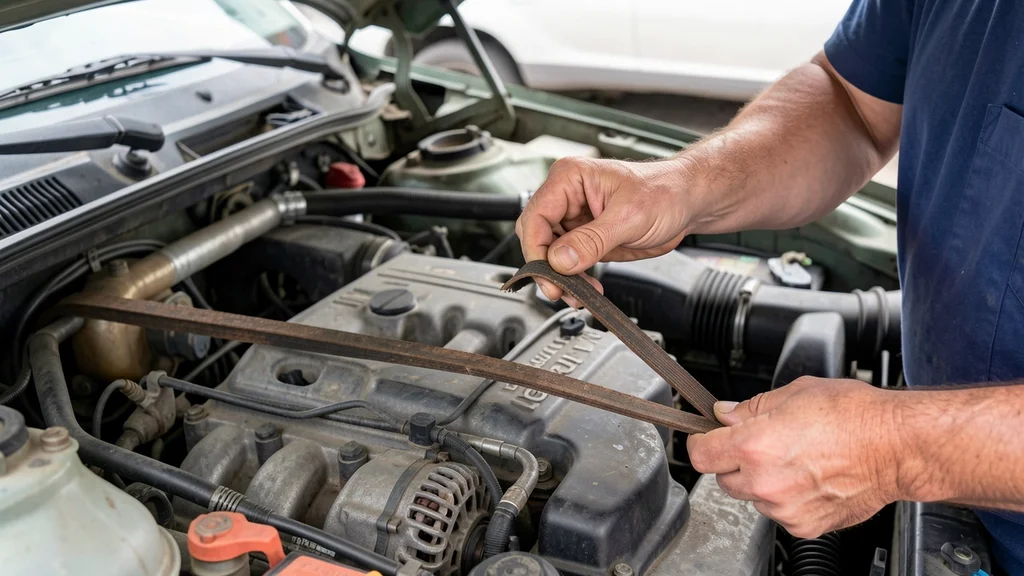
If your car’s alternator belt is old but still intact, you might wonder if can you drive on an old alternator belt safely. The answer depends on its condition—wear, cracks, or fraying mean it’s time to replace it. Driving on a failing belt can lead to sudden failure, leaving you stranded or damaging other engine components.
This guide covers the risks, warning signs, and steps to take if you suspect your belt is past its prime.
You can drive on an old alternator belt temporarily if it shows no visible damage, but it’s risky. A worn belt may snap without warning, causing loss of power steering, overheating, or a dead battery. Replace it as soon as possible to avoid costly repairs.
Signs Your Alternator Belt Needs Replacement
An old alternator belt doesn’t always fail immediately, but it will show warning signs before breaking. Ignoring these can lead to a sudden breakdown. Here’s what to look for:
First, inspect the belt visually. Cracks, glaze, or missing chunks are clear indicators of wear. A healthy belt should be flexible and free of deep cracks.
Next, listen for squealing noises when the engine runs, especially upon acceleration. This often signals slippage due to a loose or worn belt.
- Visible cracks or fraying – The rubber degrades over time, leading to small cracks or missing pieces.
- Squealing or chirping noises – A high-pitched sound when the engine is running, often worse in cold weather.
- Battery warning light – If the alternator isn’t charging properly due to a slipping belt, the battery light may illuminate.
- Power steering failure – Many vehicles use the same belt for the alternator and power steering pump. A failing belt can make steering heavier.
- Overheating engine – If the belt drives the water pump, a failure can cause the engine to overheat rapidly.
- Accessory malfunctions – Dim lights, weak A/C, or slow power windows can indicate a belt issue.
- Belt slippage – Shiny spots on the belt’s surface suggest it’s slipping on the pulleys.
Warning: If your alternator belt snaps, your car may lose power steering and braking assistance, making it unsafe to drive. Pull over immediately if you notice any of these symptoms.
How Long Can You Drive on a Worn Alternator Belt
There’s no exact mileage for how long an old alternator belt will last, but most manufacturers recommend replacing it every 60,000 to 100,000 miles. However, environmental factors like extreme heat, cold, or exposure to oil and debris can shorten its lifespan. If you’re unsure how old your belt is, err on the side of caution.
Driving on a worn belt for a short period—say, a few days to a week—might be fine if you’re monitoring it closely. But the longer you wait, the higher the risk of a sudden failure. According to AAA, belt failures are one of the top causes of roadside breakdowns, with over 500,000 calls annually related to serpentine or alternator belt issues.
| Belt Condition | Risk Level | Recommended Action |
|---|---|---|
| No visible damage, minor wear | Low | Monitor and plan replacement soon |
| Small cracks, slight glaze | Moderate | Replace within 1-2 weeks |
| Deep cracks, fraying, missing chunks | High | Replace immediately |
| Squealing noise, slippage | Critical | Stop driving, replace ASAP |
If your belt is in the “High” or “Critical” category, avoid driving until it’s replaced. Even a short trip could be the difference between a cheap repair and a tow truck bill.
What Happens If You Drive on a Failing Alternator Belt
Driving on a failing alternator belt isn’t just about the inconvenience of a breakdown—it can cause serious damage to your vehicle. Here’s what could happen if the belt snaps while you’re driving:
- Loss of power steering – Most modern cars use a serpentine belt that also powers the power steering pump. If the belt breaks, steering becomes extremely difficult, especially at low speeds.
- Battery failure – The alternator charges the battery while the engine runs. Without a working belt, the battery will drain quickly, leaving you with no electrical power for lights, radio, or ignition.
- Engine overheating – If your belt drives the water pump, a failure can cause the engine to overheat in minutes. According to Car Care Council, overheating can warp engine components, leading to repairs costing $1,500 or more.
- Damage to other components – A broken belt can whip around the engine bay, potentially damaging hoses, wires, or other belts.
- Sudden loss of acceleration – Some vehicles rely on the alternator belt to power critical sensors or fuel pumps. A failure can cause the engine to stall or lose power unexpectedly.
Important: If your car has a separate belt for the alternator (not a serpentine belt), the risks are lower, but you’ll still lose charging capability. Check your owner’s manual to confirm your belt type.
Can You Temporarily Fix an Old Alternator Belt
If you’re stranded and need a temporary fix to get to a repair shop, there are a few short-term solutions. However, these are not permanent fixes and should only be used in emergencies. Here’s what you can try:
- Belt dressing spray – A quick spray can temporarily restore grip and stop squealing. This buys you a little time but won’t fix cracks or wear.
- Tighten the belt – If the belt is loose but not damaged, tightening the tensioner might stop slippage. Check your owner’s manual for the correct tension.
- Use a spare belt – Some drivers carry a spare serpentine belt. Replacing it yourself is possible with basic tools, but it’s not always easy in tight engine bays.
- Remove non-essential accessories – If the belt powers A/C or other non-critical components, you might bypass them to reduce strain. However, this is complex and not recommended for most drivers.
| Temporary Fix | Duration | Risk Level |
|---|---|---|
| Belt dressing spray | A few days to a week | Low (but not a real fix) |
| Tightening the belt | 1-2 weeks max | Moderate (may mask a bigger issue) |
| Spare belt replacement | Permanent if done correctly | Low (if installed properly) |
Remember, these are temporary solutions. The only permanent fix is replacing the belt. Driving long-term with a patched-up belt is asking for trouble.
How to Check Your Alternator Belt Condition
Regularly checking your alternator belt can help you catch issues before they leave you stranded. Here’s a step-by-step guide to inspecting it yourself:
- Park on level ground and turn off the engine – Let the engine cool for at least 30 minutes to avoid burns.
- Open the hood – Locate the alternator belt. In most cars, it’s on the front of the engine, connected to the alternator, power steering pump, and crankshaft pulley.
- Visually inspect the belt – Look for cracks, fraying, or missing chunks. Run your fingers along the belt (when cool) to feel for glaze or hardness.
- Check for tension – Press down on the belt with your finger. It should have slight give but not sag excessively. If it’s too loose or too tight, it needs adjustment or replacement.
- Listen for noises – Start the engine and listen for squealing or chirping sounds. Rev the engine slightly to see if the noise changes.
- Look for belt misalignment – The belt should sit evenly on all pulleys. If it’s riding to one side, a pulley may be misaligned.
Tip: If you’re unsure about the condition, take a photo and compare it to images of new vs. worn belts online. Many auto parts stores also offer free belt inspections.
When to Replace Your Alternator Belt
Even if your alternator belt looks fine, it’s wise to replace it preventatively. Most mechanics recommend changing it every 60,000 to 100,000 miles, but this varies by vehicle and driving conditions. Here are the key times to replace it:
- Age – If the belt is over 5-7 years old, replace it regardless of mileage. Rubber degrades over time, even with low use.
- Mileage – Follow your manufacturer’s recommended interval (check the owner’s manual).
- Visible damage – Cracks, fraying, or glaze mean it’s time for a new one.
- Noise – Persistent squealing or chirping indicates wear or slippage.
- Preventative maintenance – If you’re replacing another component in the same system (e.g., alternator, water pump), replace the belt too.
- After an incident – If the belt has been exposed to oil, coolant, or extreme heat, replace it even if it looks fine.
Replacing the belt early is far cheaper than dealing with the consequences of a failure. The average cost to replace an alternator belt is $100 to $200, including labor, according to RepairPal. Compare that to the $500+ you might spend on a tow, a new battery, or engine repairs from overheating.
Alternator Belt vs Serpentine Belt What’s the Difference
Not all cars use a dedicated alternator belt—many modern vehicles have a serpentine belt that powers multiple components, including the alternator. Here’s how they differ:
| Feature | Alternator Belt | Serpentine Belt |
|---|---|---|
| Purpose | Powers only the alternator | Powers alternator, power steering, A/C, water pump, etc. |
| Design | V-belt (older cars) | Flat, ribbed belt |
| Replacement difficulty | Easier (fewer components) | Harder (requires routing diagram) |
| Failure impact | Loss of charging only | Loss of multiple systems (steering, A/C, etc.) |
| Common in | Older vehicles (pre-1990s) | Most modern vehicles |
To find out which belt your car uses, check the owner’s manual or look under the hood. Serpentine belts are wider and have ribs, while traditional alternator belts are V-shaped. If you’re unsure, a quick online search for your vehicle’s make and model will clarify.
Common Mistakes to Avoid With Alternator Belts
Even experienced drivers make mistakes when dealing with alternator belts. Avoid these common pitfalls to save time, money, and frustration:
- Ignoring the first signs of wear – Many drivers wait until the belt is visibly frayed or making loud noises. By then, it’s already at high risk of failure.
- Using the wrong belt size – Belts come in different lengths and widths. Using the wrong one can cause slippage, noise, or premature wear. Always check your vehicle’s specifications.
- Over-tightening the belt – Too much tension can damage the alternator bearings or cause the belt to stretch and wear out faster. Follow the manufacturer’s tension guidelines.
- Not checking pulley alignment – Misaligned pulleys can cause uneven belt wear. If the belt is riding to one side, have the pulleys checked.
- Forgetting to replace the tensioner – The belt tensioner can wear out over time. If it’s faulty, the new belt won’t last long. Replace the tensioner if it’s old or damaged.
- Driving with a missing belt – If the belt snaps, don’t try to drive the car to the shop. Have it towed to avoid further damage.
Important: If you’re replacing the belt yourself, take a photo of the routing before removing the old one. Serpentine belts can be tricky to route correctly, and a mistake can damage the new belt.
Frequently Asked Questions
How long can I drive with a squealing alternator belt?
You can usually drive for a short period—maybe a few days to a week—if the squealing is due to minor slippage. However, the noise often indicates wear or misalignment, so it’s best to address it quickly. If the squealing is loud or persistent, replace the belt immediately to avoid failure.
Will a bad alternator belt cause my battery to die?
Yes. The alternator belt drives the alternator, which charges the battery while the engine runs. If the belt is slipping or broken, the alternator can’t charge the battery, leading to a dead battery.
This is one of the most common signs of a failing belt.
Can I replace an alternator belt myself?
If you have basic mechanical skills and tools, you can replace an alternator belt yourself. However, serpentine belts can be more complex due to their routing. Always refer to your vehicle’s manual or a repair guide for the correct steps.
If you’re unsure, it’s safer to have a professional do it.
What’s the difference between a serpentine belt and an alternator belt?
A serpentine belt is a single, long belt that powers multiple components (alternator, power steering, A/C, etc.), while an alternator belt (usually a V-belt) powers only the alternator. Most modern cars use a serpentine belt, but older vehicles may have separate belts for each component.
How much does it cost to replace an alternator belt?
The cost varies by vehicle and location, but you can expect to pay between $100 and $200 for parts and labor. The belt itself is usually inexpensive ($20-$50), but labor costs can add up, especially if the belt is hard to access. Some vehicles also require replacing the tensioner or pulleys, which increases the cost.
Final Thoughts
Driving on an old alternator belt is a gamble—one that could leave you stranded or facing expensive repairs. While you might get away with it for a short time if the belt is only slightly worn, the risks far outweigh the convenience. Regular inspections and timely replacements are the best way to avoid a breakdown.
If you notice any warning signs, don’t delay—replace the belt and drive with confidence.
Leave a Reply