
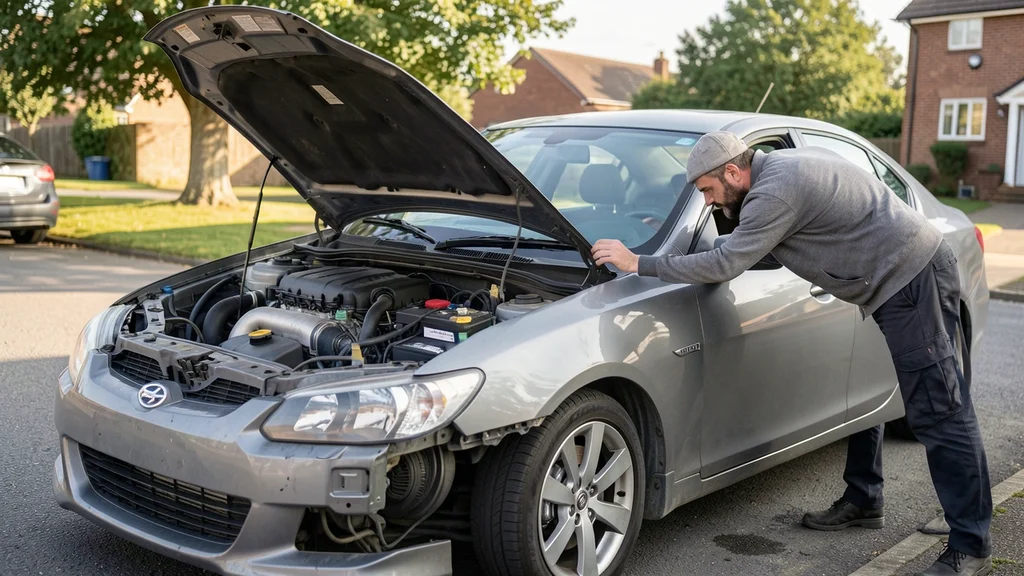
If your car’s battery light comes on, you might wonder can you drive without an alternator. The alternator charges the battery and powers the electrical system while the engine runs. Without it, your car relies solely on the battery, which can leave you stranded if drained.
This guide covers how far you can drive, the risks involved, and what to do if your alternator fails.
You can drive without an alternator for a short distance, typically 20-30 minutes, depending on battery charge and electrical demand. The battery alone cannot sustain the car’s systems for long, and you risk stalling or damaging the battery.
What Does an Alternator Do
The alternator is a critical component in your car’s charging system. It converts mechanical energy from the engine into electrical energy to power the car’s electrical systems and recharge the battery while the engine runs.
When the engine is off, the battery provides the initial power to start the car. Once the engine is running, the alternator takes over to supply power to the lights, radio, air conditioning, and other electrical components. It also ensures the battery stays charged for the next start.
Without a functioning alternator, the battery will eventually drain, and the car will lose power. This can happen quickly if you’re using high-demand systems like headlights or air conditioning.
- Charges the battery while the engine runs
- Powers electrical systems like lights, radio, and AC
- Prevents battery drain by maintaining voltage
- Supplies consistent power to keep the engine running smoothly
- Works with the voltage regulator to control electrical output
Signs Your Alternator Is Failing
Recognizing the early signs of alternator failure can help you avoid being stranded. The most common symptom is a warning light on the dashboard, often labeled “ALT” or “GEN.” This light indicates the alternator isn’t charging the battery properly.
Dim or flickering headlights are another red flag. Since the alternator powers the electrical system, reduced output can cause lights to dim, especially at night. You might also notice other electrical accessories, like the radio or power windows, working sluggishly or not at all.
A dead battery is often mistaken for an alternator issue, but if the battery keeps dying even after jumps or replacements, the alternator is likely the culprit. Another sign is a burning smell, which could indicate the alternator is overheating or wearing out.
- Dashboard warning light (ALT or GEN)
- Dim or flickering headlights
- Electrical accessories malfunctioning
- Frequent battery failures
- Burning smell under the hood
- Engine stalling or difficulty starting
Warning: Ignoring alternator warning signs can lead to a complete electrical failure, leaving you stranded. If you notice any of these symptoms, have your alternator checked immediately.
How Long Can You Drive Without an Alternator
The distance you can drive without an alternator depends on several factors, including the battery’s charge level, the car’s electrical demand, and driving conditions. In most cases, you can expect to drive for about 20-30 minutes before the battery drains completely.
If the battery was fully charged when the alternator failed, you might get slightly more time, especially if you minimize electrical usage. This means turning off the radio, air conditioning, and any other non-essential systems. Driving at night with the headlights on will drain the battery much faster.
Modern cars with fuel injection systems rely heavily on electrical components to keep the engine running. Once the battery voltage drops below a certain level, the engine will stall, and you’ll lose power steering and braking assistance, making the car difficult to control.
| Factor | Impact on Driving Time |
|---|---|
| Battery Charge Level | Higher charge = more time |
| Electrical Demand | More usage = faster drain |
| Driving Conditions | Night/rain = higher demand |
| Car Model | Newer cars = more electronics |
As shown in the table, the alternator’s absence forces the battery to handle all electrical loads, significantly reducing how long you can drive.
What Happens When the Alternator Fails While Driving
If your alternator fails while driving, the first sign is usually the battery warning light. As the battery drains, you’ll notice the headlights dimming and the engine may start to sputter. Eventually, the car will lose power and stall.
Once the alternator stops working, the battery takes over all electrical functions. The voltage in the system will drop, causing the engine to run poorly or shut off entirely. Power steering and braking assistance will also fail, making the car harder to control.
If you’re on the highway, the loss of power steering can be dangerous, especially at high speeds. It’s crucial to pull over safely as soon as you notice the warning signs. Continuing to drive with a failed alternator can also damage the battery, as it wasn’t designed to handle the full electrical load alone.
- Battery light turns on on the dashboard
- Headlights dim or flicker
- Engine sputters or loses power
- Power steering fails
- Braking becomes harder
- Car stalls and won’t restart
Tip: If your alternator fails while driving, turn off all non-essential electrical systems and safely pull over to the side of the road as soon as possible.
Can You Jump Start a Car With a Bad Alternator
Jump-starting a car with a bad alternator is possible, but it’s only a temporary solution. The jump will provide enough power to start the engine, but once the jump cables are removed, the car will run solely on the battery. If the alternator is faulty, the battery won’t recharge, and the car will eventually stall again.
To jump-start the car, you’ll need jumper cables and a working vehicle. Connect the red (positive) clamp to the dead battery’s positive terminal, then to the working battery’s positive terminal. Next, connect the black (negative) clamp to the working battery’s negative terminal, then to an unpainted metal surface on the dead car, away from the battery.
Start the working vehicle and let it run for a few minutes to charge the dead battery slightly. Then, attempt to start the car with the bad alternator. If it starts, don’t turn it off, as you may not be able to restart it.
Drive directly to a repair shop to have the alternator replaced.
- Connect jumper cables properly (red to positive, black to negative)
- Start the working vehicle and let it run for a few minutes
- Attempt to start the car with the bad alternator
- Drive directly to a repair shop without turning off the engine
- Avoid using electrical systems to conserve battery power
How to Extend Driving Time Without an Alternator
If you must drive without a working alternator, there are a few ways to extend your driving time. The key is to minimize the electrical load on the battery. Turn off all non-essential systems, such as the radio, air conditioning, and interior lights.
Avoid using power windows or other electrical accessories.
Driving during the day will also help, as you won’t need to use the headlights. If you must drive at night, use the lowest setting for your headlights and avoid high beams. Additionally, try to drive at a steady speed without frequent stops, as starting the car after stopping requires more power from the battery.
If your car has a manual transmission, you can also try to start the engine by pushing the car and popping the clutch. This method bypasses the need for the battery to power the starter motor, but it still won’t solve the underlying alternator issue. Once the engine is running, you’ll still need to get to a repair shop quickly.
| Action | Impact on Battery Life |
|---|---|
| Turn off radio and AC | Reduces electrical load |
| Use low beam headlights | Conserves battery power |
| Avoid frequent stops | Reduces starter motor usage |
| Drive during the day | Eliminates need for headlights |
These actions can help you squeeze a few extra minutes of driving time, but they won’t solve the alternator issue.
How to Diagnose a Bad Alternator
Diagnosing a bad alternator involves checking the battery and alternator output. The easiest way is to use a multimeter to test the voltage at the battery terminals. With the engine off, a fully charged battery should read around 12.6 volts.
If it reads significantly lower, the battery may be the issue.
Next, start the engine and check the voltage again. A healthy alternator should produce between 13.8 and 14.4 volts. If the voltage remains around 12.6 volts or drops below, the alternator is likely faulty.
You can also rev the engine to see if the voltage increases; if it doesn’t, the alternator isn’t working properly.
Another method is to perform a visual inspection. Look for signs of damage, such as frayed wires, corrosion on the terminals, or a loose alternator belt. If the belt is loose or worn, it may not be turning the alternator pulley effectively, leading to charging issues.
- Use a multimeter to test battery voltage (engine off: 12.6V, engine on: 13.8-14.4V)
- Check for voltage increase when revving the engine
- Inspect the alternator belt for wear or looseness
- Look for corrosion on battery terminals
- Listen for unusual noises from the alternator
- Test with a load tester at an auto parts store
Important: If you’re unsure about diagnosing the alternator yourself, take your car to a professional mechanic. They have the tools and expertise to accurately identify the issue.
Alternator Replacement Cost
The cost of replacing an alternator varies depending on the make and model of your car, as well as labor rates in your area. On average, you can expect to pay between $400 and $800 for parts and labor. The alternator itself typically costs between $200 and $500, while labor can range from $100 to $300.
Luxury or high-performance vehicles may have more expensive alternators, sometimes costing over $600 for the part alone. Additionally, if other components, such as the battery or belts, need to be replaced at the same time, the total cost will increase.
It’s a good idea to get quotes from multiple repair shops to ensure you’re getting a fair price. Some auto parts stores also offer free testing and can help you find the right alternator for your vehicle. If you’re comfortable with DIY repairs, you can save on labor costs by replacing the alternator yourself, though this requires some mechanical knowledge.
| Component | Average Cost |
|---|---|
| Alternator (Part) | $200 – $500 |
| Labor | $100 – $300 |
| Battery (if needed) | $100 – $200 |
| Belts (if needed) | $50 – $150 |
As shown, the total cost can add up quickly, especially if additional parts need replacement.
Frequently Asked Questions
Can you drive a car with a bad alternator at night?
Driving at night with a bad alternator is risky. The headlights will drain the battery much faster, reducing your driving time to just a few minutes. It’s safer to pull over and call for assistance if your alternator fails after dark.
Will a car run without an alternator if the battery is fully charged?
Yes, a car can run for a short time without an alternator if the battery is fully charged. However, the battery will eventually drain, and the car will stall. The length of time depends on the battery’s charge and the car’s electrical demand.
Can a bad alternator damage the battery?
Yes, a bad alternator can damage the battery. If the alternator overcharges the battery, it can cause the battery to overheat and fail prematurely. Conversely, if the alternator fails to charge the battery, the battery will drain completely, which can also shorten its lifespan.
How do I know if it’s the alternator or the battery?
If your car won’t start, it could be either the battery or the alternator. A simple test is to jump-start the car. If it starts but dies shortly after removing the jumper cables, the alternator is likely the issue.
If it doesn’t start at all, the battery may be dead.
Can I replace the alternator myself?
Yes, you can replace the alternator yourself if you have some mechanical experience. The process involves disconnecting the battery, removing the old alternator, and installing the new one. However, it’s important to follow the correct steps to avoid damaging the new alternator or other components.
Final Thoughts
Driving without an alternator is possible for a short time, but it’s not safe or sustainable. The battery alone cannot power the car’s electrical systems for long, and you risk stalling or damaging the battery. If your alternator fails, minimize electrical usage and get to a repair shop as soon as possible.
Regular maintenance and prompt attention to warning signs can help you avoid this situation altogether.
Leave a Reply