
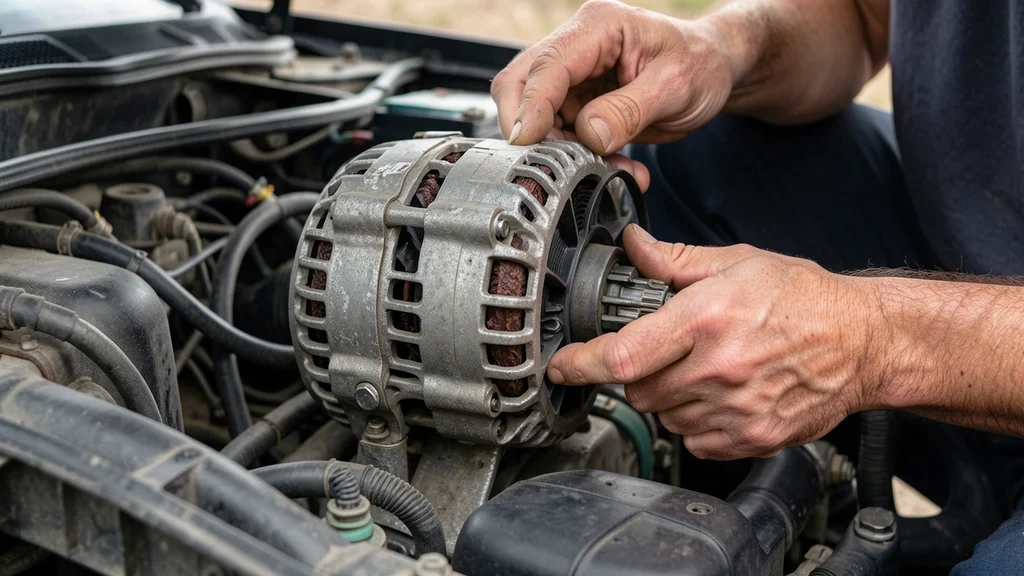
If your car battery keeps dying, you might wonder can you recharge an alternator to fix the issue. The alternator plays a crucial role in keeping your battery charged and powering electrical systems while the engine runs. Unlike a battery, an alternator doesn’t store power—it generates it, so recharging it isn’t the same as jump-starting a dead battery.
This guide explains how alternators work, whether they can be “recharged,” and what to do if yours fails.
No, you cannot recharge an alternator like a battery. The alternator generates electricity and doesn’t hold a charge. If it’s not working, you’ll need to repair or replace it. A failing alternator often causes battery drain or electrical issues, so testing it is the first step.
How an Alternator Works vs a Battery
An alternator is a generator that converts mechanical energy from the engine into electrical energy. It uses a belt driven by the engine’s crankshaft to spin a rotor inside a stator, producing alternating current (AC). The built-in rectifier then converts this AC into direct current (DC) to charge the battery and power your car’s electrical systems.
Unlike a battery, which stores electrical energy chemically, the alternator only produces power when the engine is running. This means it doesn’t “run out” of charge—it either works or it doesn’t. If your alternator fails, your battery will eventually drain, leaving you stranded.
Key differences:
- Function: Alternator generates power; battery stores it.
- Operation: Alternator works only when the engine runs; battery works anytime.
- Failure Impact: A dead alternator drains the battery; a dead battery prevents starting but doesn’t affect the alternator.
Tip: If your battery light comes on while driving, your alternator may be failing. Pull over safely and check your voltage with a multimeter.
Signs Your Alternator Is Failing
Recognizing the early warning signs of a failing alternator can save you from a breakdown. Since the alternator powers your car’s electrical systems, symptoms often appear in multiple areas. Ignoring these signs can lead to a dead battery or even engine stalling.
Common symptoms include:
- Dashboard Warning Lights: The battery or alternator warning light (often shaped like a battery) illuminates on your dashboard. Modern cars may also show a “check charging system” message.
- Dim or Flickering Lights: Headlights, interior lights, or dashboard lights appear dimmer than usual or flicker while driving. This happens because the alternator can’t maintain a steady voltage.
- Weak or Dead Battery: Your battery dies frequently, even after jump-starting. If the alternator isn’t charging the battery, it will drain completely over time.
- Electrical Accessory Issues: Power windows move slowly, the radio cuts out, or other electrical accessories (like heated seats) stop working properly.
- Strange Noises: A whining or grinding noise from the engine bay, often caused by a worn-out alternator bearing or a slipping serpentine belt.
- Stalling or Difficulty Starting: The engine stalls while driving or struggles to start, as the alternator fails to provide enough power to the spark plugs and fuel system.
| Symptom | Likely Cause | Severity |
|---|---|---|
| Battery light on dashboard | Low voltage output from alternator | High |
| Dim headlights at idle | Insufficient electrical supply | Medium |
| Grinding noise from engine | Worn alternator bearing | High |
| Frequent battery replacements | Alternator not charging battery | High |
If you notice one or more of these symptoms, it’s critical to test your alternator as soon as possible. Driving with a failing alternator can leave you stranded and may damage other electrical components.
Can You Recharge an Alternator
This is the core question many drivers ask when facing electrical issues. The short answer is no—you cannot recharge an alternator because it doesn’t store power. Unlike a battery, which holds a charge and can be recharged, an alternator is a generator.
Its job is to produce electricity, not store it.
However, there are scenarios where people confuse “recharging” with “reviving” or “fixing” an alternator. Here’s what you need to know:
- Alternators Don’t Hold Charge: They generate electricity on demand when the engine is running. There’s no internal storage to recharge.
- Battery vs. Alternator Confusion: If your battery is dead, jump-starting the car may temporarily solve the issue, but if the alternator is bad, the battery will drain again once the jump starts are removed.
- Jump-Starting Misconception: Some think jump-starting the car “recharges” the alternator. In reality, it only provides enough power to start the engine, after which the alternator should take over. If the alternator is faulty, the battery won’t recharge.
- Regulator Issues: Modern alternators have built-in voltage regulators. If the regulator fails, the alternator may overcharge or undercharge the battery, leading to electrical problems.
- Temporary Fixes: If the alternator is failing but not completely dead, driving the car at higher RPMs might temporarily increase output, but this is not a long-term solution.
Warning: Driving with a failing alternator can cause your battery to die completely, leaving you stranded. It can also damage sensitive electronics in modern vehicles.
If your alternator isn’t working, the only solutions are to repair or replace it. There’s no way to “recharge” it into working condition.
How to Test Your Alternator
Testing your alternator is straightforward and can be done with basic tools. You don’t need to remove it from the car for initial tests. Here’s how to check if your alternator is functioning properly.
Method 1: Using a Multimeter
A multimeter is the most accurate way to test alternator output. Follow these steps:
- Park Safely: Ensure your car is parked on a flat surface with the engine off. Engage the parking brake.
- Set Up the Multimeter: Turn the multimeter to DC voltage (20V range). Connect the red probe to the positive (+) battery terminal and the black probe to the negative (-) terminal.
- Test Battery Voltage: With the engine off, a healthy battery should read between 12.5 and 12.8 volts. If it’s below 12.2V, your battery may be discharged.
- Start the Engine: Have someone start the car while you monitor the multimeter. The voltage should jump to between 13.8 and 14.4 volts. This range indicates a properly functioning alternator.
- Check Voltage at Higher RPMs: Rev the engine to around 2000 RPM. The voltage should remain stable or increase slightly but stay under 14.8V. If it drops below 13V or rises above 15V, your alternator may be faulty.
Method 2: The Headlight Test
If you don’t have a multimeter, you can perform a quick headlight test:
- Start the Engine: Turn on the engine and let it idle.
- Turn On Headlights: Switch on the headlights (low beam).
- Rev the Engine: Increase the engine RPM to around 2000.
- Observe Brightness: If the headlights brighten significantly when you rev the engine, your alternator may not be charging properly at idle. If they stay the same brightness or dim, the alternator could be failing.
Method 3: Remove the Positive Battery Terminal
Important: This method should only be done as a last resort and with caution. It can damage sensitive electronics in modern vehicles.
This old-school method can help determine if the alternator is working:
- Start the Engine: Let it run at idle.
- Disconnect the Positive Terminal: Carefully remove the positive battery terminal while the engine is running.
- Monitor Engine Behavior: If the engine continues running smoothly, your alternator is likely functioning. If the engine stalls or dies, your alternator is not producing enough power to keep the car running.
Warning: This test can cause voltage spikes that may damage your car’s computer or other electronic components. Only perform this on older vehicles without sensitive electronics.
| Test Method | Tools Needed | Accuracy | Risk Level |
|---|---|---|---|
| Multimeter Test | Multimeter | High | Low |
| Headlight Test | None | Medium | Low |
| Terminal Removal Test | Wrench | Medium | High |
For the most accurate results, use a multimeter. If tests indicate a problem, have a professional mechanic inspect the alternator and charging system.
What to Do If Your Alternator Is Bad
If testing confirms your alternator is faulty, you’ll need to decide between repairing or replacing it. Here’s what to consider and the steps to take.
Repair vs. Replace
Alternators can sometimes be repaired, but it’s not always cost-effective. Here’s a breakdown:
- Repair: If the issue is a failed diode, voltage regulator, or bearing, a repair shop may be able to replace the faulty component. This is usually cheaper than a full replacement but may not last as long.
- Replace: If the alternator is old or has multiple failed components, replacing it with a new or remanufactured unit is often the better choice. Modern alternators are sealed units, making DIY repairs difficult.
- Cost: Repair costs range from $200 to $400, while a new alternator typically costs between $400 and $800, including labor. Remanufactured alternators are a cost-effective middle ground, usually priced between $250 and $500.
- Warranty: New alternators often come with a 1-2 year warranty, while repairs may have a shorter guarantee.
| Option | Pros | Cons | Best For |
|---|---|---|---|
| Repair | Lower cost, eco-friendly (reuses parts) | May fail again, shorter lifespan | Minor issues, older cars |
| New Alternator | Reliable, full warranty, long lifespan | Higher cost | Modern cars, long-term solution |
| Remanufactured | Cost-effective, tested, warranty included | Slightly shorter lifespan than new | Budget-conscious, most drivers |
Steps to Replace an Alternator
If you’re comfortable with DIY car repairs, you can replace the alternator yourself. Here’s a general outline of the process:
- Disconnect the Battery: Always start by disconnecting the negative battery terminal to prevent electrical shorts.
- Locate the Alternator: It’s usually mounted near the front of the engine and connected to the serpentine belt.
- Remove the Serpentine Belt: Use a wrench to loosen the belt tensioner and slip the belt off the alternator pulley.
- Disconnect Wiring: Unplug the electrical connectors from the alternator. There may be a small wiring harness and a larger main power wire.
- Remove Mounting Bolts: The alternator is typically held in place by 2-3 bolts. Remove these to free the alternator.
- Install the New Alternator: Place the new alternator in position, secure it with the mounting bolts, and reconnect the wiring.
- Reinstall the Serpentine Belt: Loop the belt back over the alternator pulley and release the tensioner to tighten it.
- Reconnect the Battery: Reattach the negative battery terminal.
- Test the New Alternator: Start the car and use a multimeter to verify the alternator is charging the battery (13.8-14.4V).
Tip: Before starting, take a photo of the serpentine belt routing diagram (usually on a sticker in the engine bay) to ensure you reinstall the belt correctly.
If you’re not confident in your mechanical skills, it’s best to leave this job to a professional. Improper installation can lead to electrical issues or belt failure.
Common Causes of Alternator Failure
Understanding what causes alternator failure can help you prevent it. Here are the most common reasons:
- Worn-Out Bearings: Alternators have bearings that wear out over time, leading to noise and eventual failure. High mileage and age are the primary culprits.
- Faulty Voltage Regulator: The voltage regulator controls the alternator’s output. If it fails, the alternator may overcharge or undercharge the battery, damaging both components.
- Diode Failure: The alternator’s diodes convert AC to DC. If one or more diodes fail, the alternator may not produce enough power or could send AC current to the battery, causing damage.
- Slipping or Broken Serpentine Belt: A loose or worn serpentine belt can prevent the alternator from spinning at the correct speed, reducing its output.
- Corrosion: Corrosion on the battery terminals or alternator connections can disrupt the flow of electricity, leading to charging issues.
- Overloading: Adding high-power accessories (like large stereos or lights) can overload the alternator, causing it to fail prematurely.
- Fluid Leaks: Coolant or oil leaks can damage the alternator’s internal components if they seep into the unit.
| Cause | Symptoms | Prevention |
|---|---|---|
| Worn bearings | Grinding noise, alternator seizure | Regular maintenance, replace before failure |
| Faulty voltage regulator | Overcharging, undercharging battery | Use quality parts, test charging system |
| Diode failure | Electrical gremlins, battery drain | Avoid electrical overloads |
| Serpentine belt issues | Squealing noise, dim lights | Inspect belt regularly, replace every 60k miles |
Regular maintenance can extend your alternator’s lifespan. Check your serpentine belt for wear, keep battery terminals clean, and avoid overloading your electrical system with aftermarket accessories.
How Long Does an Alternator Last
The lifespan of an alternator depends on several factors, including driving conditions, electrical load, and build quality. On average, an alternator lasts between 80,000 and 150,000 miles, or about 7-10 years. However, some may fail earlier or last much longer.
Factors that affect alternator longevity:
- Driving Habits: Frequent short trips can strain the alternator, as it doesn’t have enough time to fully recharge the battery. Stop-and-go traffic also increases wear.
- Electrical Demand: Cars with many electrical accessories (premium sound systems, heated seats, etc.) put more strain on the alternator, potentially shortening its lifespan.
- Environmental Conditions: Extreme heat or cold can affect the alternator’s components. Heat can cause the internal parts to expand and wear out faster, while cold can make the belt more prone to slipping.
- Quality of Parts: OEM (Original Equipment Manufacturer) alternators typically last longer than aftermarket or remanufactured units. However, high-quality remanufactured alternators can still provide reliable service.
- Maintenance: Regularly checking the serpentine belt, keeping the battery in good condition, and addressing electrical issues promptly can extend your alternator’s life.
Important: According to AAA, alternator failures account for nearly 5% of all roadside assistance calls. Regular testing can help you catch issues before they leave you stranded.
If your alternator is nearing the end of its expected lifespan, consider having it tested during routine maintenance to preemptively address any issues.
Preventing Alternator Problems
While alternators will eventually wear out, there are steps you can take to maximize their lifespan and avoid premature failure. Proactive maintenance is key to keeping your charging system in top shape.
Maintenance Tips
Follow these tips to extend your alternator’s life:
- Inspect the Serpentine Belt: Check the belt for cracks, fraying, or glazing every 6 months or 20,000 miles. Replace it if it shows signs of wear or if it’s been more than 60,000 miles.
- Keep Battery Terminals Clean: Corrosion on the battery terminals can disrupt the flow of electricity. Clean them regularly with a mixture of baking soda and water, and apply terminal grease to prevent future corrosion.
- Test Your Battery: A weak battery forces the alternator to work harder. Have your battery tested during routine oil changes to ensure it’s holding a charge properly.
- Avoid Electrical Overloads: Be mindful of the electrical load you place on your alternator. If you add aftermarket accessories like a high-wattage stereo or extra lights, consider upgrading your alternator to handle the additional demand.
- Drive Regularly: If you don’t drive often, take your car for a 20-30 minute drive at least once a week. This allows the alternator to fully recharge the battery and prevents it from draining.
- Check for Warning Signs: Pay attention to dashboard warning lights and any unusual noises or electrical issues. Addressing problems early can prevent more extensive damage.
What to Avoid
Avoid these habits to prevent alternator damage:
- Jump-Starting Incorrectly: Never jump-start your car with the alternator disconnected, as this can cause a voltage spike that damages the alternator.
- Ignoring Warning Lights: If the battery or alternator warning light comes on, don’t ignore it. Continuing to drive can lead to a complete failure and leave you stranded.
- Overloading Circuits: Avoid using multiple high-power accessories simultaneously, especially in older vehicles not designed for heavy electrical loads.
- Using Cheap Parts: While it may be tempting to save money with a cheap alternator, low-quality parts are more likely to fail prematurely. Invest in a reputable brand or OEM part.
- Neglecting Maintenance: Skipping regular maintenance, like belt inspections and battery tests, can lead to alternator issues going unnoticed until it’s too late.
By following these preventive measures, you can significantly reduce the risk of alternator failure and ensure your car’s electrical system remains reliable.
Frequently Asked Questions
Can you recharge an alternator by driving?
No, driving doesn’t recharge the alternator—it only allows the alternator to generate power to charge the battery. If the alternator is faulty, driving won’t fix it. In fact, if the alternator is dead, driving will only drain the battery further until the car stalls.
How do I know if it’s the battery or the alternator?
Start by testing the battery voltage with the engine off (should be 12.5-12.8V). If it’s low, charge or replace the battery. Then start the engine and test again (should be 13.8-14.4V).
If the voltage doesn’t increase, the alternator is likely the issue. If the battery voltage is fine but the car won’t start, the problem could be the starter.
Can a bad alternator destroy a new battery?
Yes, a faulty alternator can damage a new battery. If the alternator overcharges, it can cause the battery to overheat and fail prematurely. If it undercharges, the battery will drain completely, leading to sulfation and permanent damage.
Always fix alternator issues before replacing the battery.
What happens if I keep driving with a bad alternator?
Driving with a bad alternator will eventually drain your battery completely, leaving you stranded. Additionally, a failing alternator can cause voltage spikes that damage sensitive electronics like the ECU, radio, or other control modules. In modern vehicles, this can lead to expensive repairs.
Is it safe to jump-start a car with a bad alternator?
Jump-starting a car with a bad alternator is generally safe as a temporary solution to get the engine running. However, once you remove the jumper cables, the battery will start draining again because the alternator isn’t charging it. Drive directly to a repair shop to avoid getting stranded.
Final Thoughts
So, can you recharge an alternator? The answer is no—alternators generate power but don’t store it, so they can’t be recharged like a battery. If your alternator is failing, testing it with a multimeter is the best way to confirm the issue.
Once diagnosed, you’ll need to repair or replace it to keep your car running smoothly. Regular maintenance, like checking the serpentine belt and battery, can help prevent alternator problems and extend its lifespan. If you notice warning signs like dim lights or a battery warning on the dashboard, address them promptly to avoid being left stranded.
Leave a Reply