
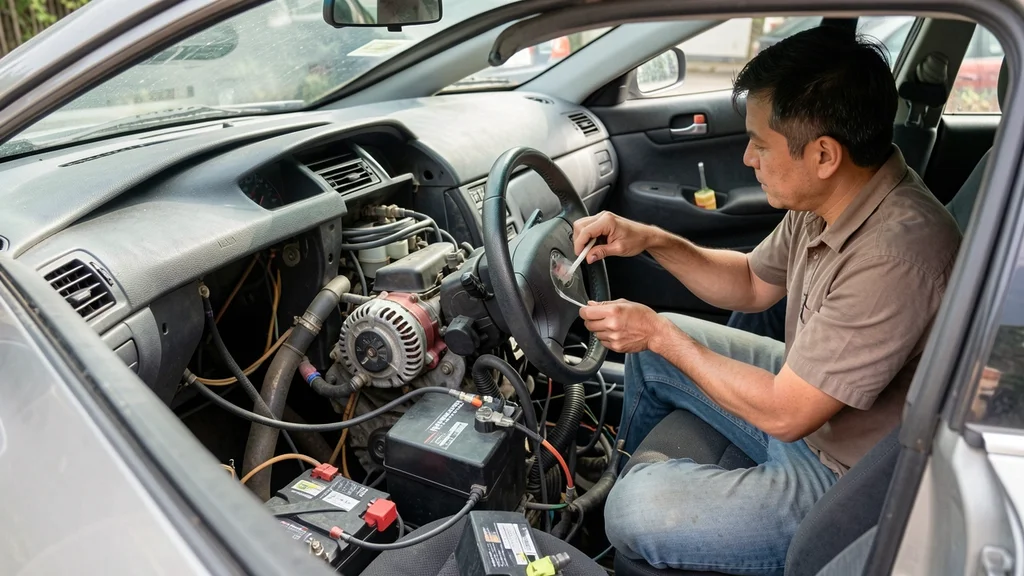
If your car’s electrical system is acting up, you might wonder can you still drive your car with a bad alternator. The short answer is yes, but only for a very limited time—and it’s risky. The alternator charges your battery and powers electrical components while the engine runs.
If it fails, your car will eventually stall, leaving you stranded. Understanding the signs and risks can help you make a smart decision before hitting the road.
You can drive with a bad alternator only until the battery drains, usually 30 minutes to an hour depending on demand. After that, your car will lose power steering, brakes, and eventually stall. Never risk long trips with a failing alternator.
Signs Your Alternator Is Failing
Recognizing the early warning signs of a bad alternator can save you from a breakdown. The most common symptom is a battery warning light on your dashboard, often shaped like a car battery. This light doesn’t always mean the battery itself is dead—it’s often the alternator failing to charge it.
Other telltale signs include dim or flickering headlights, especially at night or when idling. You might also notice electrical accessories like the radio, power windows, or air conditioning working intermittently or not at all. A whining or grinding noise under the hood can also indicate alternator bearing failure.
If your car struggles to start or requires frequent jump-starts, it’s another red flag. Unlike a dead battery, which may start with a jump and then die again quickly, alternator issues often cause the car to die while driving once the battery is drained. Pay attention to these symptoms—they’re your car’s way of telling you it needs immediate attention.
- Dashboard Warning Light: Battery-shaped icon appears when the alternator isn’t charging the battery properly.
- Dim or Flickering Lights: Headlights and interior lights may dim, especially at low RPMs.
- Electrical Accessory Failures: Radio, power windows, or AC may stop working or behave erratically.
- Strange Noises: A whining or grinding sound from the engine bay often signals bearing wear.
- Frequent Jump-Starts Needed: If your car starts with a jump but dies shortly after, the alternator is likely the culprit.
- Stalling or Hard Starting: The engine may crank slowly or stall due to insufficient electrical power.
- Burning Smell: A burning odor, especially near the alternator, can indicate an electrical issue or overheating.
Warning: If you notice a burning smell or see smoke, pull over immediately. Electrical fires can start quickly and are extremely dangerous.
How Long Can You Drive With a Bad Alternator
The distance you can drive with a failing alternator depends on several factors, including your battery’s health, electrical load, and driving conditions. In most cases, you’ll have between 30 minutes to an hour of driving time before the battery is completely drained. This estimate assumes minimal electrical load—no headlights, radio, or AC.
If you’re driving at night with headlights on, using the heater or AC, or have other accessories running, the battery will deplete much faster. Highway driving at higher RPMs may keep the battery charged slightly longer than stop-and-go city traffic. However, once the alternator fails completely, the battery will no longer recharge, and you’re essentially driving on borrowed time.
According to AAA, alternator failures account for nearly 10% of all roadside assistance calls. Most drivers don’t realize their alternator is failing until they’re already stranded. If you suspect an issue, it’s far safer to pull over and call for help than to risk pushing your luck.
| Factor | Estimated Drive Time |
|---|---|
| Minimal Electrical Load (Daytime, No AC) | 45-60 minutes |
| Moderate Load (Headlights On) | 20-40 minutes |
| High Load (Headlights + AC + Radio) | 10-20 minutes |
| Stop-and-Go Traffic | 15-30 minutes |
The table above gives a rough estimate, but your actual drive time may vary. Older batteries or extreme temperatures can shorten this window even further.
What Happens When Your Alternator Fails Completely
When your alternator stops working entirely, your car’s electrical system will rely solely on the battery. At first, you might not notice much difference—your headlights may dim slightly, or the radio might cut out. But as the battery drains, more critical systems will begin to fail.
One of the first major systems to go is the power steering. Modern cars with electric power steering will become much harder to turn, especially at low speeds. Next, your power brakes may lose assistance, requiring you to press the pedal much harder to stop.
This can be extremely dangerous, especially in emergency situations.
Eventually, the engine will stall. Without the alternator to power the spark plugs and fuel injectors, the engine will shut off, leaving you stranded. Unlike older cars with mechanical fuel pumps, most modern vehicles cannot run without electrical power to the engine management system.
Once the battery is dead, you won’t be able to restart the car without a jump start—and even then, the battery will drain again quickly if the alternator isn’t fixed.
- First 5-10 Minutes: Dim lights, weak radio signal, and possible warning lights on the dashboard.
- 10-20 Minutes: Power steering and brakes start to feel heavy or unresponsive.
- 20-30 Minutes: Engine may begin to sputter or misfire as the battery voltage drops.
- 30+ Minutes: Complete electrical failure—engine stalls, and the car will not restart without a jump.
Important: If your car stalls due to a bad alternator, do NOT attempt to restart it repeatedly. Each attempt drains the battery further and can damage the starter motor.
Can You Jump Start a Car With a Bad Alternator
Yes, you can jump-start a car with a bad alternator, but it’s only a temporary fix. The jump will provide enough power to start the engine, but once the jump cables are removed, the alternator will fail to recharge the battery. You’ll have the same limited drive time as before—usually just enough to get to a repair shop or safe location.
Here’s how to do it safely:
- Park the Donor Car: Position a car with a good battery close enough for the jumper cables to reach, but do NOT let the vehicles touch.
- Turn Off Both Engines: Ensure both cars are in park (or neutral for manual transmissions) with engines off.
- Connect the Cables: Attach the red (positive) clamp to the dead battery’s positive terminal, then the other red clamp to the donor battery’s positive terminal. Next, connect the black (negative) clamp to the donor battery’s negative terminal, and the final black clamp to an unpainted metal part of the dead car’s engine block (not the battery).
- Start the Donor Car: Let it run for a few minutes to charge the dead battery slightly.
- Start Your Car: Attempt to start your car. If it doesn’t start, wait a few more minutes and try again.
- Remove the Cables: Once your car is running, remove the cables in reverse order: black clamp from engine block, black clamp from donor battery, red clamp from donor battery, red clamp from your battery.
After a successful jump start, drive directly to a repair shop. Avoid turning off the engine, as you may not be able to restart it without another jump.
| Do This | Don’t Do This |
|---|---|
| Use thick, high-quality jumper cables. | Use damaged or thin cables—they may not carry enough current. |
| Connect positive to positive, negative to ground. | Connect negative to negative on the dead battery—this can cause sparks. |
| Let the donor car run for a few minutes before starting yours. | Try to start your car immediately—give the battery time to charge. |
| Drive straight to a repair shop after jumping. | Turn off the engine or make unnecessary stops. |
How to Test Your Alternator at Home
If you suspect your alternator is failing, you can perform a few simple tests at home before taking it to a mechanic. The easiest method is to use a multimeter, a basic tool available at most auto parts stores for under $20.
Here’s a step-by-step guide to testing your alternator:
- Park Safely: Ensure your car is on level ground, the engine is off, and the parking brake is engaged.
- Locate the Alternator: The alternator is usually mounted near the engine, often on the passenger side. It looks like a small, cylindrical component with a belt wrapped around it.
- Test Battery Voltage: With the engine off, set your multimeter to DC voltage and connect the red probe to the battery’s positive terminal and the black probe to the negative terminal. A healthy battery should read between 12.2 and 12.6 volts.
- Start the Engine: Have a helper start the car while you monitor the multimeter. The voltage should immediately jump to between 13.8 and 14.4 volts. If it stays below 13 volts, your alternator is not charging the battery properly.
- Rev the Engine: Ask your helper to rev the engine to around 2,000 RPM. The voltage should increase slightly, usually to around 14.5 volts. If it doesn’t, the alternator may be failing.
- Turn On Accessories: Turn on the headlights, AC, and radio. The voltage should remain above 13 volts. If it drops below 12.5 volts, the alternator can’t keep up with the electrical demand.
If your multimeter readings are outside these ranges, it’s a strong indication that your alternator is failing. However, these tests aren’t foolproof—a failing battery or voltage regulator can also cause similar symptoms. For a definitive diagnosis, a professional mechanic can perform a more thorough test using specialized equipment.
Tip: If you don’t have a multimeter, many auto parts stores (like AutoZone or O’Reilly Auto Parts) will test your alternator and battery for free.
Common Causes of Alternator Failure
Alternators typically last between 80,000 to 150,000 miles, but several factors can shorten their lifespan. Understanding these causes can help you prevent premature failure and extend the life of your alternator.
One of the most common causes is wear and tear on the alternator bearings. Over time, the bearings that support the alternator’s rotor can wear out, leading to noise and eventually failure. Another frequent issue is brush wear.
The brushes inside the alternator conduct electricity to the rotor, and they gradually wear down with use. Once they’re too short, the alternator can no longer generate sufficient power.
Electrical issues are also a major culprit. A faulty voltage regulator can cause the alternator to overcharge or undercharge the battery, leading to damage. Corroded or loose electrical connections can also disrupt the alternator’s performance.
Additionally, overloading the electrical system with aftermarket accessories (like high-wattage sound systems) can strain the alternator and cause it to fail prematurely.
Environmental factors play a role as well. Extreme heat can cause the alternator’s components to degrade faster, while water or oil leaks can damage the internal parts. Even something as simple as a loose or worn serpentine belt can prevent the alternator from spinning properly, reducing its efficiency and leading to failure.
- Worn Bearings: Causes grinding or whining noises; leads to mechanical failure if not replaced.
- Brush Wear: Reduces electrical contact; alternator output drops over time.
- Faulty Voltage Regulator: Causes overcharging (damages battery) or undercharging (drains battery).
- Loose or Worn Belt: Prevents alternator from spinning at correct speed; reduces charging efficiency.
- Corrosion: Affects electrical connections; disrupts power flow to and from the alternator.
- Overloading: Aftermarket accessories (e.g., powerful stereos, lights) can exceed the alternator’s capacity.
- Fluid Contamination: Oil, coolant, or water leaks can damage internal components.
- Age: Alternators naturally degrade over time; most last 7-10 years under normal conditions.
How to Extend Your Alternator’s Lifespan
While alternators do wear out over time, there are steps you can take to maximize their lifespan. Regular maintenance and smart driving habits can help you avoid premature alternator failure and save you from unexpected breakdowns.
First, keep your battery in good condition. A weak or dead battery forces the alternator to work harder to recharge it, which can lead to overheating and premature wear. Have your battery tested regularly, especially before extreme temperatures (hot summers or cold winters), which can stress both the battery and alternator.
Next, inspect your serpentine belt regularly. A loose or worn belt can slip, reducing the alternator’s efficiency and causing it to work harder. Check the belt for cracks, fraying, or glazing, and replace it if it shows signs of wear.
Most belts last between 60,000 to 100,000 miles, but it’s a good idea to inspect it every time you change your oil.
Avoid overloading your electrical system. If you’ve added aftermarket accessories like a high-powered sound system, extra lights, or a winch, make sure your alternator can handle the additional load. Upgrading to a high-output alternator may be necessary if you’ve significantly increased your car’s electrical demands.
- Regular Battery Checks: Test your battery every 6 months and replace it if it’s weak or old (most last 3-5 years).
- Belt Inspections: Check the serpentine belt for wear and proper tension every 30,000 miles.
- Avoid Short Trips: Frequent short drives don’t give the alternator enough time to fully recharge the battery. Combine errands into longer trips when possible.
- Clean Connections: Periodically check and clean the alternator’s electrical connections to prevent corrosion.
- Limit Electrical Load: Turn off unnecessary accessories (like the radio or AC) when starting the car or idling for long periods.
- Park in a Garage: Extreme temperatures (both hot and cold) can shorten your alternator’s lifespan. Parking in a garage can help moderate temperature swings.
- Use Quality Parts: If you need to replace your alternator, invest in a high-quality OEM (Original Equipment Manufacturer) or reputable aftermarket part.
Alternator Replacement Cost and Process
If your alternator has failed, you’ll need to decide whether to replace it yourself or have a professional do the job. The cost of replacement can vary widely depending on your car’s make and model, as well as whether you choose OEM or aftermarket parts.
On average, alternator replacement costs between $400 and $1,000, including parts and labor. The alternator itself typically costs between $200 and $600, while labor can range from $200 to $400. Luxury or European cars may cost significantly more due to higher part prices and more complex labor.
If you’re comfortable working on cars, replacing the alternator yourself can save you a significant amount on labor costs. The process usually takes 1-2 hours and requires basic tools like wrenches, sockets, and a serpentine belt diagram for your specific vehicle. Here’s a general overview of the steps involved:
- Disconnect the Battery: Always start by disconnecting the negative battery terminal to prevent electrical shorts.
- Locate the Alternator: Refer to your car’s service manual to find the alternator’s location.
- Remove the Serpentine Belt: Use a belt diagram to route the belt off the alternator pulley. You may need a serpentine belt tool or a breaker bar.
- Disconnect Electrical Connections: Unplug the wiring harness and remove the bolts securing the alternator to the engine.
- Remove the Alternator: Once all bolts and connections are removed, carefully lift the alternator out of the engine bay.
- Install the New Alternator: Place the new alternator in position, secure it with bolts, and reconnect the electrical connections.
- Reinstall the Serpentine Belt: Route the belt back onto the alternator pulley according to the diagram.
- Reconnect the Battery: Reattach the negative battery terminal and test the charging system.
| Car Type | Alternator Cost (Parts) | Labor Cost | Total Estimated Cost |
|---|---|---|---|
| Domestic (e.g., Ford, Chevy, Dodge) | $200 – $400 | $150 – $250 | $350 – $650 |
| Import (e.g., Toyota, Honda, Nissan) | $250 – $500 | $200 – $300 | $450 – $800 |
| Luxury (e.g., BMW, Mercedes, Audi) | $500 – $900 | $300 – $500 | $800 – $1,400 |
| Hybrid/Electric | $600 – $1,200 | $400 – $600 | $1,000 – $1,800 |
Tip: If you’re replacing the alternator yourself, consider replacing the serpentine belt and tensioner at the same time, as they often wear out around the same mileage.
Frequently Asked Questions
Can a bad alternator destroy a new battery?
Yes, a bad alternator can destroy a new battery. If the alternator overcharges, it can cause the battery to overheat and fail prematurely. If it undercharges, the battery will constantly be drained, leading to sulfation (a buildup of lead sulfate crystals) and reduced lifespan.
Always fix the alternator before replacing the battery to avoid damaging the new one.
Will a car run with a bad alternator if the battery is fully charged?
Yes, but only for a short time. A fully charged battery can power the car’s electrical systems for 30 minutes to an hour, depending on demand. However, once the battery is drained, the car will stall and won’t restart without a jump.
Driving with a bad alternator is risky, as you could lose power steering, brakes, or other critical systems unexpectedly.
What does a bad alternator sound like?
A failing alternator often produces a whining or grinding noise from the engine bay. This sound is caused by worn bearings inside the alternator. You may also hear a squealing noise if the serpentine belt is slipping due to a failing alternator pulley.
If you hear these noises, have your alternator checked as soon as possible.
Can I drive my car with a bad alternator to the repair shop?
It’s not recommended, but if you must, drive directly to the repair shop with minimal electrical load. Turn off the radio, AC, and any other non-essential accessories. Drive during daylight hours to avoid using headlights.
Even then, there’s a risk of stalling, so it’s safer to call a tow truck if you’re unsure.
How do I know if it’s the battery or the alternator?
The easiest way to tell is to jump-start the car. If the car starts but dies shortly after removing the jumper cables, the alternator is likely the issue. If the car doesn’t start at all, even with a jump, the battery may be dead.
For a definitive answer, have both the battery and alternator tested at an auto parts store or repair shop.
Final Thoughts
Driving with a bad alternator is a gamble you shouldn’t take. While you might be able to travel a short distance, the risks—losing power steering, brakes, or stalling in traffic—far outweigh the convenience. If you notice warning signs like dim lights, a battery warning on the dashboard, or electrical accessories failing, pull over and address the issue immediately.
A quick test with a multimeter or a free check at an auto parts store can confirm whether it’s the alternator. Replacing a failing alternator now can save you from a costly breakdown later.
Leave a Reply