
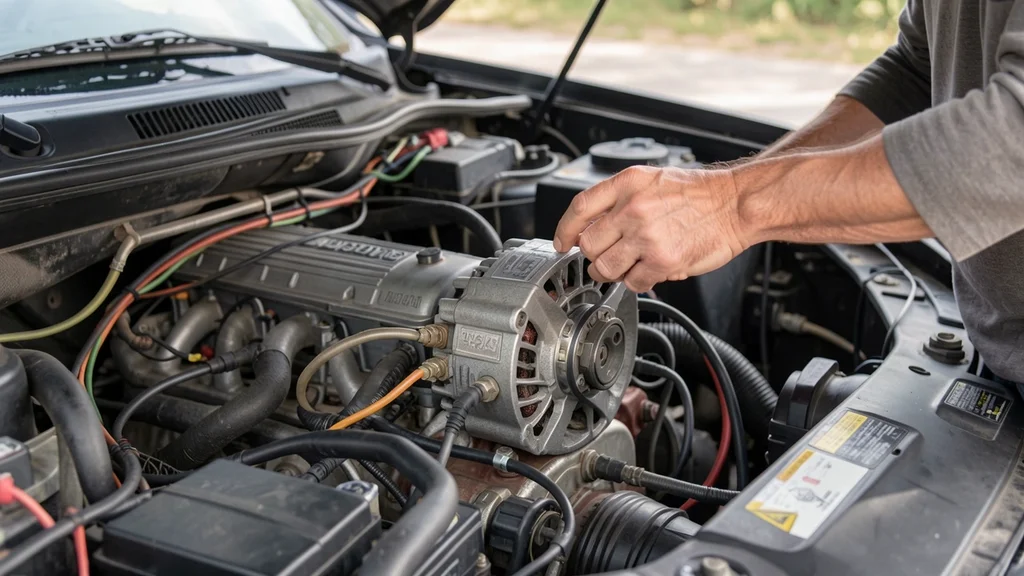
If you need a reliable power source on the go, can you tap power from a cars alternator for your devices or projects? The answer is yes—but with critical precautions. Alternators generate electricity while the engine runs, making them a potential power source for off-grid needs.
However, tapping directly into an alternator requires understanding voltage output, wiring safety, and the risks of overloading your vehicle’s electrical system.
You can tap power from a car’s alternator but only through the battery or a properly rated inverter. Direct alternator connections risk damaging your vehicle’s electrical system or devices. Always use a fuse and monitor voltage to stay within safe limits.
How Alternators Generate Power
Alternators convert mechanical energy from the engine into electrical energy, charging the battery and powering the car’s electrical system. They typically output 13.5–14.5 volts DC, which is higher than a battery’s resting voltage to ensure proper charging. Unlike a battery, which stores energy, an alternator produces electricity continuously as long as the engine runs.
This makes it a tempting power source for:
- Running high-wattage devices like laptops or power tools
- Charging secondary batteries for off-grid setups
- Powering LED lights or small appliances in a vehicle
- Emergency power for jump-starting other vehicles
- DIY projects like car audio systems or custom electronics
However, the alternator’s output isn’t perfectly stable. Voltage can spike during acceleration or drop when idle, which may damage sensitive electronics. That’s why most setups route power through the battery first, acting as a buffer.
| Alternator Output Spec | Typical Value |
|---|---|
| Voltage (Engine Running) | 13.5–14.5V DC |
| Maximum Current (Standard Car) | 80–120 Amps |
| Peak Output (Heavy-Duty) | 200+ Amps |
Most passenger vehicles have alternators rated between 80–120 amps, enough to handle the car’s electrical load plus some extra. Heavy-duty alternators in trucks or modified vehicles can exceed 200 amps, but always check your vehicle’s specs before tapping into the system.
Safe Ways to Tap Alternator Power
The safest method to use alternator power is by connecting devices through the battery, which acts as a stabilizer. Here’s how to do it correctly:
- Use a Power Inverter – Converts 12V DC from the battery/alternator to 120V AC for household devices. Choose a pure sine wave inverter for sensitive electronics like laptops or medical equipment.
- Install a Secondary Battery – Isolates your device load from the car’s primary battery. A deep-cycle battery charged by the alternator provides stable power without draining your starter battery.
- Add a Battery Isolator – Prevents the secondary battery from draining the primary one. Essential for setups with high power demands.
- Fuse Every Connection – Always install an inline fuse rated for your device’s amperage to prevent electrical fires. A 10-amp fuse works for small devices, while 20–30 amps may be needed for larger loads.
- Monitor Voltage – Use a voltmeter to ensure the alternator isn’t overloaded. Voltage should stay between 13–14.5V when the engine is running.
Tip: For long-term setups, consider a DC-DC charger. These devices regulate alternator power to safely charge auxiliary batteries without overloading the system.
Avoid tapping directly into the alternator’s output wire (B+ terminal). This bypasses the battery’s stabilizing effect and can cause voltage spikes. Instead, connect to the battery’s positive terminal, which smooths out fluctuations.
Common Mistakes to Avoid
Improperly tapping an alternator can lead to costly repairs or safety hazards. Here are the most common mistakes and how to avoid them:
- Overloading the Alternator – Every alternator has a maximum current rating. Exceeding it can overheat the alternator, damage the voltage regulator, or even cause a fire. For example, a 100-amp alternator can safely handle about 80 amps of additional load (the rest powers the car). Always calculate your total power draw and compare it to your alternator’s capacity.
- Ignoring Wire Gauge – Thin wires can’t handle high currents and may melt. Use this table to select the right gauge:
Current (Amps) Recommended Wire Gauge (AWG) 0–10 Amps 16 AWG 10–20 Amps 14 AWG 20–30 Amps 12 AWG 30–50 Amps 10 AWG - Skipping Fuses – A fuse protects your wiring and devices from short circuits. Without one, a short could start a fire. Always place the fuse as close to the battery as possible.
- Using Household Extension Cords – These aren’t rated for automotive use and can overheat. Use marine-grade or automotive extension cords designed for 12V systems.
- Running the Engine at Idle for Extended Periods – Idling for long periods to power devices can overheat the alternator and waste fuel. If you need sustained power, consider a portable generator or a larger alternator.
Warning: Never connect a device directly to the alternator’s B+ terminal without a voltage regulator. Alternators can produce up to 16V or more at high RPMs, which can fry electronics rated for 12V.
What You Can Power From a Car Alternator
The amount of power you can draw depends on your alternator’s capacity and your vehicle’s electrical load. Here’s a breakdown of common devices and their power requirements:
| Device | Power (Watts) | Amps @ 12V | Notes |
|---|---|---|---|
| Smartphone Charger | 5–10W | 0.5–1A | Can run off USB port |
| Laptop (60W) | 60W | 5A | Use pure sine wave inverter |
| Portable Fridge | 30–60W | 2.5–5A | 12V DC compatible |
| LED Light Bar | 100–200W | 8–16A | Direct 12V connection |
| Power Tool (Circular Saw) | 1200W | 100A | Requires high-output alternator |
| Microwave (600W) | 600W | 50A | Needs 2000W inverter |
For most stock alternators (80–120 amps), you can safely run:
- Multiple small devices (phones, tablets, GPS)
- A laptop and a portable fridge simultaneously
- LED lights or a small sound system
High-draw devices like power tools or microwaves require a heavy-duty alternator (200+ amps) and a high-wattage inverter. According to the National Electrical Code (NEC), automotive wiring should handle at least 125% of the continuous load to prevent overheating.
How to Calculate Your Power Needs
Before tapping into your alternator, calculate the total power your devices will draw. Here’s a step-by-step guide:
- List All Devices – Note the wattage or amperage of each device you plan to power. Check the labels or user manuals for specifications.
- Convert Watts to Amps (if needed) – Use the formula: Amps = Watts / Volts. For a 12V system, divide the wattage by 12. For example, a 60W laptop charger draws 5 amps (60W / 12V = 5A).
- Add Up the Amperage – Sum the amps of all devices you’ll run simultaneously. For example:
- Laptop: 5A
- Portable Fridge: 4A
- LED Lights: 2A
- Total: 11A
- Account for Efficiency Losses – Inverters and wiring aren’t 100% efficient. Add 10–20% to your total to compensate. In the example above, 11A + 20% = ~13A.
- Compare to Alternator Capacity – Subtract the car’s electrical load (typically 20–30A for lights, ECU, etc.) from your alternator’s rated output. If your alternator is 100A and the car uses 30A, you have 70A left for accessories. In our example, 13A is well within the limit.
- Check Wire Gauge and Fuse Rating – Use the tables above to ensure your wiring and fuses can handle the total amperage.
Important: If your total load exceeds 80% of your alternator’s remaining capacity, consider upgrading to a high-output alternator or adding a secondary battery.
Upgrading Your Alternator for More Power
If your power needs exceed your stock alternator’s capacity, upgrading is an option. Here’s what you need to know:
- High-Output Alternators – These can produce 150–300+ amps, ideal for off-grid setups or high-power devices. Brands like Mechman, Singer Alternators, and DB Electrical offer reliable options. A 200-amp alternator can handle:
- Multiple power tools
- A large inverter for household appliances
- Extended use without draining the battery
- Compatibility – Ensure the alternator fits your engine’s mounting points and pulley system. Some vehicles may require custom brackets or pulleys.
- Wiring Upgrades – Higher output alternators need thicker wiring (at least 4 AWG or thicker) to handle the increased current. Upgrade your battery cables and connections to prevent bottlenecks.
- Voltage Regulator – High-output alternators often include an internal regulator, but some may require an external one. Check the specifications before purchasing.
- Cost – A high-output alternator can cost between $300–$800, depending on the amperage and brand. Professional installation may add $100–$300.
| Alternator Type | Amperage | Best For | Estimated Cost |
|---|---|---|---|
| Stock Alternator | 80–120A | Basic car electronics | $150–$300 |
| Mid-Output Alternator | 130–180A | Moderate power needs (laptops, fridges) | $300–$500 |
| High-Output Alternator | 200–300A | Heavy loads (inverters, power tools) | $500–$800 |
According to Car and Driver, upgrading to a high-output alternator is one of the most cost-effective ways to increase your vehicle’s electrical capacity without adding a second battery.
DIY vs Professional Installation
Deciding whether to install your power setup yourself or hire a professional depends on your experience and the complexity of the job.
DIY Installation
Pros:
- Cost-effective (saves on labor)
- Customizable to your exact needs
- Great for learning about your vehicle’s electrical system
Cons:
- Risk of electrical errors (shorts, fires)
- Voids warranties if not done correctly
- Time-consuming for beginners
If you’re comfortable with basic wiring and have the right tools, a simple setup (e.g., inverter + battery) can be a DIY project. Always:
- Disconnect the battery before working on the electrical system.
- Use a multimeter to test connections before finalizing them.
- Follow a detailed wiring diagram for your specific vehicle.
Professional Installation
Pros:
- Guaranteed safety and reliability
- Often includes warranties on parts and labor
- Faster and more efficient for complex setups
Cons:
- Higher upfront cost ($100–$500+)
- Less flexibility for custom modifications
For high-output alternators or complex setups (e.g., dual batteries, inverters), hiring a professional is recommended. According to AAA, electrical system errors are a leading cause of vehicle fires, so safety should always be the top priority.
Frequently Asked Questions
Can I run a house from my car’s alternator?
No, a standard car alternator cannot power a house. Even a high-output alternator (300A) can only provide about 3,600W (3.6kW) at 12V, far below the average home’s power needs (10–30kW). For emergency home power, a portable generator or solar setup is a better choice.
Will tapping my alternator drain my car battery?
If done correctly, tapping the alternator through the battery won’t drain it while the engine is running. However, using power-hungry devices with the engine off will drain the battery. Always monitor your battery voltage and use a battery isolator for secondary batteries.
Can I use an alternator to charge a solar battery?
Yes, you can use an alternator to charge a deep-cycle battery (like those used in solar setups) via a DC-DC charger. This is a common setup in overlanding or RV applications. The DC-DC charger regulates the alternator’s voltage to safely charge the auxiliary battery.
What’s the difference between an alternator and a generator?
An alternator is designed to charge a battery and power a vehicle’s electrical system while the engine runs. A generator, on the other hand, is a standalone device that produces electricity independently (e.g., portable generators for homes or job sites). Alternators are more efficient for vehicle use but can’t provide standalone power like generators.
How long can I run devices off my car’s alternator?
The runtime depends on your alternator’s capacity and your device’s power draw. For example, a 100-amp alternator with 50 amps of spare capacity can run a 500W inverter (drawing ~40 amps) indefinitely while the engine is running. However, idling for extended periods can overheat the alternator, so it’s best to limit continuous use to 1–2 hours at a time unless you have a high-output setup.
Final Thoughts
Tapping power from a car’s alternator is possible and useful for mobile power needs, but it requires careful planning to avoid damaging your vehicle or devices. Always prioritize safety by using proper wiring, fuses, and voltage regulation. For higher power demands, consider upgrading your alternator or adding a secondary battery.
With the right setup, your car can become a reliable power source for work, travel, or emergencies.
Leave a Reply