
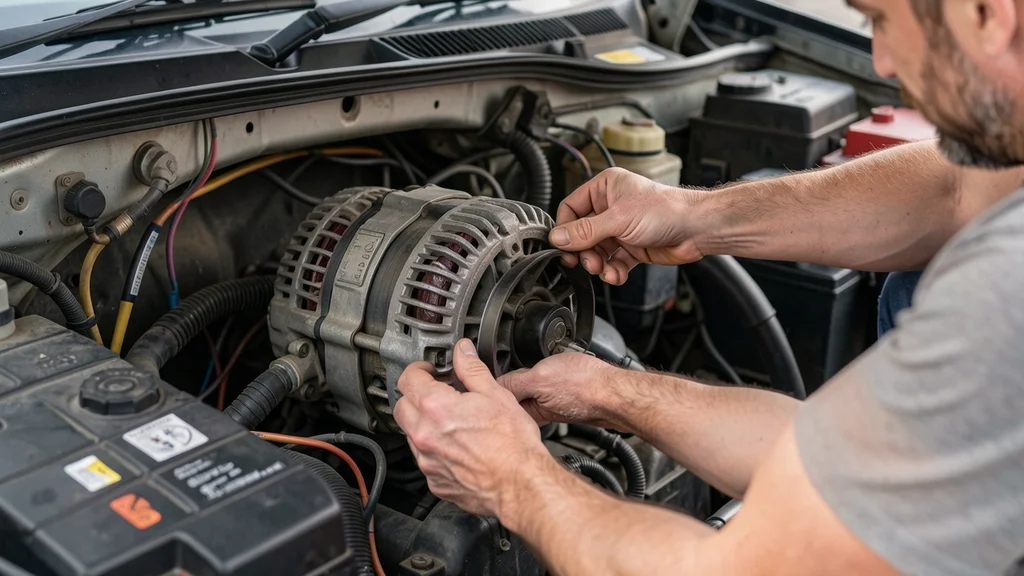
If your car’s electrical system is acting up, how can you tell if an alternator is going bad is likely your first thought. The alternator charges the battery and powers your vehicle’s electronics, so spotting early warning signs can save you from a dead battery or a breakdown. This guide covers the most common symptoms, diagnostic steps, and what to do next.
You can tell if an alternator is going bad by watching for dim headlights, a dead battery, strange noises, or a battery warning light on the dash. A multimeter test or professional diagnostic can confirm the issue.
Early Warning Signs of a Failing Alternator
The alternator is the heart of your car’s electrical system, so early detection is key. Ignoring these signs can leave you stranded or damage other components.
Some symptoms mimic battery problems, but the alternator is often the real culprit. Here’s what to look for:
- Dim or Flickering Lights: Headlights, dashboard lights, or interior lights that dim or flicker, especially at idle, often signal a weak alternator unable to maintain voltage.
- Battery Warning Light: The battery-shaped warning light on your dash may illuminate if the alternator isn’t charging the battery properly. This is one of the most direct indicators.
- Dead Battery: If your battery dies frequently or struggles to hold a charge, the alternator may not be replenishing it while the engine runs.
- Strange Noises: A whining or grinding noise from the engine bay can indicate a failing alternator bearing or internal component wear.
- Electrical Failures: Power windows, seats, or other accessories may move slower than usual or fail to operate due to insufficient power.
- Stalling or Rough Idling: A failing alternator can cause the engine to stall or run rough, as the spark plugs and fuel injectors rely on consistent electrical power.
- Burning Smell: A burning rubber or electrical odor can result from an overheating alternator or slipping belt.
Tip: If your headlights brighten when you rev the engine, it’s a classic sign of alternator trouble. The increased RPM temporarily boosts alternator output.
How to Test an Alternator at Home
You don’t need a mechanic to check your alternator’s health. With a few tools and basic knowledge, you can perform these tests yourself.
Always test the battery first to rule out a dead or weak battery as the cause of your electrical issues.
Tools You’ll Need
- Digital multimeter
- Jumper cables (optional, for jump-start testing)
- Basic hand tools (wrench, socket set)
- Safety gloves and goggles
Step-by-Step Testing Process
- Visual Inspection: Check the alternator belt for cracks, fraying, or looseness. A slipping or damaged belt can prevent the alternator from functioning properly. Also, inspect the alternator itself for corrosion, leaks, or physical damage.
- Battery Voltage Test (Engine Off): Set your multimeter to DC voltage. Connect the red probe to the battery’s positive terminal and the black probe to the negative terminal. A healthy battery should read between 12.6 and 12.8 volts. If it’s below 12.2 volts, charge the battery before proceeding.
- Alternator Output Test (Engine On): Start the engine and let it idle. With the multimeter still connected to the battery, you should see a reading between 13.8 and 14.4 volts. If the voltage is below 13.5, the alternator isn’t charging the battery sufficiently. If it’s above 14.5, the alternator may be overcharging, which can damage the battery.
- Load Test: Turn on the headlights, climate control, and other accessories to place a load on the electrical system. The voltage should remain steady between 13.8 and 14.4 volts. If it drops below 13.5, the alternator is struggling under load.
- Belt and Pulley Check: While the engine is running, inspect the alternator pulley and belt for excessive wobble or noise. A loose or worn belt can cause the alternator to underperform.
| Test | Expected Reading | What It Means |
|---|---|---|
| Battery Voltage (Engine Off) | 12.6 – 12.8V | Healthy battery |
| Battery Voltage (Engine On) | 13.8 – 14.4V | Alternator charging properly |
| Battery Voltage (Engine On, Load) | 13.8 – 14.4V | Alternator handles load well |
| Battery Voltage (Engine On) | <13.5V | Alternator not charging |
A multimeter is the most reliable way to diagnose alternator issues, but if you’re unsure, a professional mechanic can perform a more thorough test.
Common Causes of Alternator Failure
Alternators don’t fail without a reason. Understanding the root causes can help you prevent future issues and extend the life of your vehicle’s electrical system.
According to AAA, alternator failure is one of the top 5 reasons for roadside assistance calls. Most failures are due to wear and tear, but other factors can accelerate the process.
- Age and Mileage: Alternators typically last between 80,000 to 150,000 miles, or 5-7 years. Over time, the internal components, such as the diode rectifier or voltage regulator, wear out and fail.
- Faulty or Worn Belt: The serpentine belt drives the alternator. If it’s loose, cracked, or glazed, it can slip and prevent the alternator from spinning at the correct speed, reducing its output.
- Electrical Overload: Modern vehicles have numerous electrical accessories, such as high-powered stereos, GPS systems, and charging ports. These can overload the alternator, especially if the battery is weak or the wiring is poor.
- Fluid Leaks: Oil or coolant leaks can seep into the alternator, damaging the internal windings or bearings. This is often a slow process but can lead to complete failure if left unchecked.
- Corrosion: Corrosion on the battery terminals or alternator connections can disrupt the flow of electricity, causing the alternator to work harder and eventually fail.
- Extreme Temperatures: Both extreme heat and cold can stress the alternator. Heat can cause the internal components to degrade faster, while cold can make the battery work harder, increasing the load on the alternator.
- Poor Quality or Defective Parts: Not all alternators are created equal. Cheap or aftermarket alternators may not meet OEM standards and can fail prematurely.
Warning: Jump-starting a car with a bad alternator can damage the electrical system of the vehicle providing the jump. Always test the alternator before attempting a jump-start.
Alternator vs. Battery Problems How to Tell the Difference
It’s easy to confuse alternator issues with battery problems, but there are key differences. The battery provides the initial power to start the engine, while the alternator keeps it running and recharges the battery.
Here’s how to tell which one is causing your trouble:
| Symptom | Likely Battery Issue | Likely Alternator Issue |
|---|---|---|
| Car won’t start | Yes, especially if lights are dim | No, unless the battery is completely dead |
| Headlights dim at idle | No | Yes |
| Battery warning light on | No | Yes |
| Clicking noise when turning key | Yes | No |
| Electrical accessories fail | No | Yes |
| Engine stalls while driving | No | Yes |
If your car starts but dies shortly after, the alternator is likely the issue. If it doesn’t start at all, the battery is the more probable culprit.
What to Do If Your Alternator Is Failing
If you’ve confirmed that your alternator is going bad, it’s important to act quickly to avoid being stranded. Here’s what you should do next:
- Get a Professional Diagnosis: While DIY tests can give you a good idea, a professional mechanic can perform a more thorough diagnostic using specialized tools. Many auto parts stores, like AutoZone or O’Reilly Auto Parts, offer free alternator testing.
- Check Your Warranty: If your vehicle is still under warranty, the alternator may be covered. Even if it’s not, some aftermarket parts come with their own warranties.
- Replace the Alternator: If the alternator is indeed failing, the best course of action is to replace it. While it’s possible to rebuild an alternator, replacement is often more cost-effective and reliable in the long run.
- Inspect Related Components: Before installing a new alternator, check the serpentine belt, tensioner, and pulleys. Replace any worn or damaged parts to prevent premature failure of the new alternator.
- Test the Battery: A weak battery can put extra strain on the alternator. Test the battery and replace it if necessary to ensure the new alternator has a healthy electrical system to work with.
Tip: If you’re replacing the alternator yourself, disconnect the battery first to avoid electrical shorts. Always follow the manufacturer’s torque specifications for bolts to prevent damage.
How Much Does It Cost to Replace an Alternator
The cost of replacing an alternator varies depending on your vehicle’s make and model, as well as whether you choose OEM or aftermarket parts. Labor costs also play a significant role.
According to RepairPal, the average cost to replace an alternator ranges from $550 to $1,100, with labor accounting for about $200 to $400 of that total. Luxury or high-performance vehicles may cost more due to the complexity of the job.
| Vehicle Type | Alternator Cost (Part Only) | Labor Cost | Total Estimated Cost |
|---|---|---|---|
| Economy Car | $200 – $400 | $150 – $300 | $350 – $700 |
| Midsize Sedan/SUV | $300 – $500 | $200 – $400 | $500 – $900 |
| Luxury Vehicle | $400 – $800 | $300 – $500 | $700 – $1,300 |
| High-Performance/Import | $500 – $1,000+ | $400 – $600 | $900 – $1,600+ |
Labor costs can vary significantly based on your location and the shop’s hourly rate. Dealerships typically charge more than independent mechanics.
Preventative Maintenance to Extend Alternator Life
While alternators are designed to last for many years, a little preventative maintenance can help extend their lifespan and prevent unexpected failures.
Regular inspections and proactive repairs can save you money and hassle in the long run.
- Regular Belt Inspections: Check the serpentine belt every 6 months or 10,000 miles for signs of wear, such as cracks, fraying, or glazing. Replace it if it shows any damage or if it’s been more than 60,000 miles since the last replacement.
- Keep the Battery Healthy: A weak or dead battery forces the alternator to work harder, which can shorten its lifespan. Test your battery regularly and replace it if it’s more than 3-5 years old or showing signs of weakness.
- Clean Corrosion: Corrosion on the battery terminals or alternator connections can disrupt the flow of electricity. Clean these connections regularly with a wire brush and a mixture of baking soda and water.
- Avoid Electrical Overloads: Limit the use of high-powered accessories, such as aftermarket stereos or inverters, especially when the engine is off. These can drain the battery and put extra strain on the alternator.
- Check for Fluid Leaks: Inspect the alternator and surrounding areas for signs of oil or coolant leaks. Address any leaks immediately to prevent damage to the alternator’s internal components.
- Drive Regularly: If your car sits unused for long periods, the battery can drain, and the alternator may not get the chance to recharge it. Try to drive your car at least once a week for 20-30 minutes to keep the battery charged and the alternator active.
- Use Quality Parts: When replacing the alternator or any related components, opt for high-quality OEM or aftermarket parts. Cheap parts may save you money upfront but can fail prematurely, leading to more costly repairs down the line.
Tip: If you notice any of the early warning signs of alternator failure, don’t ignore them. Addressing the issue early can prevent more costly repairs and keep you safe on the road.
Common Mistakes to Avoid When Dealing with Alternator Issues
Even experienced DIYers can make mistakes when diagnosing or replacing an alternator. Here are some common pitfalls to avoid:
- Assuming It’s the Battery: Many people jump to the conclusion that a dead battery is the issue, only to find out later that the alternator was the real problem. Always test both components to be sure.
- Ignoring Warning Signs: Dim lights or a battery warning light may seem minor, but they’re often the first signs of a failing alternator. Ignoring them can lead to a sudden breakdown.
- Not Testing Under Load: A voltage test with no electrical load may show a healthy alternator, but the real test is how it performs under demand. Always test with accessories turned on.
- Skipping the Belt Inspection: A new alternator won’t work properly if the serpentine belt is worn or loose. Always inspect and replace the belt if necessary when installing a new alternator.
- Using the Wrong Alternator: Not all alternators are the same. Using the wrong part for your vehicle can lead to poor performance, electrical issues, or even damage to your car’s electrical system.
- Forgetting to Disconnect the Battery: When replacing an alternator, always disconnect the battery first to avoid electrical shorts or damage to sensitive components.
- Over-Tightening Bolts: When installing a new alternator, it’s important to torque the bolts to the manufacturer’s specifications. Over-tightening can damage the alternator or its mounting points.
Frequently Asked Questions
Can I drive with a bad alternator?
No, you should not drive with a bad alternator. Once the battery is drained, the engine will stall, leaving you stranded. In some cases, you may be able to drive a short distance if the battery has enough charge, but it’s risky and can cause further damage to your vehicle’s electrical system.
How long does it take to replace an alternator?
The time it takes to replace an alternator varies depending on the vehicle and the mechanic’s experience. For most vehicles, the job takes between 1 to 2 hours. However, some vehicles with tight engine bays or complex setups may take longer.
What happens if I ignore a failing alternator?
Ignoring a failing alternator can lead to a dead battery, leaving you stranded. It can also cause damage to other electrical components, such as the starter, power steering, or even the engine control module. In extreme cases, a failing alternator can cause the engine to stall while driving, which can be dangerous.
Can a bad alternator damage a new battery?
Yes, a bad alternator can damage a new battery. If the alternator is overcharging, it can cause the battery to overheat and fail prematurely. If it’s undercharging, the battery will be constantly drained, shortening its lifespan.
How can I tell if my alternator is overcharging?
You can tell if your alternator is overcharging by performing a voltage test with the engine running. If the voltage reading is consistently above 14.5 volts, the alternator is overcharging. This can lead to battery damage and other electrical issues, so it’s important to address it quickly.
Final Thoughts
Knowing how can you tell if an alternator is going bad can save you time, money, and stress. Early warning signs like dim lights, a battery warning light, or strange noises should never be ignored. A quick test with a multimeter can confirm your suspicions, and prompt action can prevent you from being left stranded.
Regular maintenance and inspections can extend the life of your alternator and keep your vehicle running smoothly.
Leave a Reply