
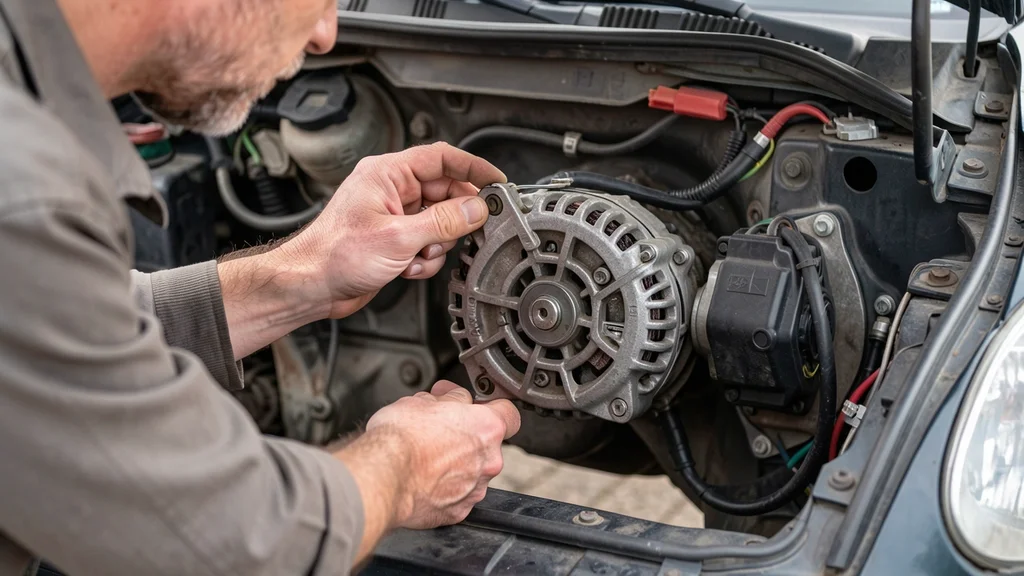
When your car refuses to start, the culprit is often either the starter or the alternator. Knowing how can you tell if it’s your starter or alternator can save you time and money on unnecessary repairs. Both components play crucial roles in your vehicle’s electrical system, but they serve different purposes.
This guide will help you diagnose the issue with simple tests and observations, even if you’re not a mechanic.
The easiest way to tell is to jump-start your car. If it starts but dies shortly after removing the jumper cables, your alternator is likely bad. If it doesn’t start at all or makes a clicking noise, the starter is probably the issue.
Key Differences Between Starter and Alternator
The starter and alternator are both critical to your car’s operation, but they function differently. The starter is responsible for turning the engine when you start your car, while the alternator recharges the battery and powers the electrical system while the engine runs.
Here’s a breakdown of their roles:
- Starter: A small motor that turns the engine’s flywheel to initiate combustion. It draws power from the battery but only operates for a few seconds when you start the car.
- Alternator: Acts as a generator, producing electricity to recharge the battery and power accessories like lights, radio, and air conditioning while the engine runs.
| Component | Function | When It Runs |
|---|---|---|
| Starter | Turns the engine to start the car | Only when starting the car |
| Alternator | Recharges battery and powers electrical systems | While the engine is running |
Understanding these differences is the first step in diagnosing which part might be failing. If your car doesn’t start, the starter is usually the first suspect. If your battery dies while driving or your lights dim, the alternator is likely the problem.
Symptoms of a Bad Starter
A failing starter often gives clear signs before it completely stops working. Recognizing these symptoms early can help you avoid being stranded.
Common indicators include:
- Clicking Noise: When you turn the key, you hear a single click or repeated clicking but the engine doesn’t turn over. This usually means the starter solenoid is engaging, but the motor isn’t spinning.
- Grinding Noise: A grinding sound when starting the car could indicate the starter gear is worn or not engaging properly with the flywheel.
- Slow Cranking: The engine turns over very slowly, even if the battery is fully charged. This suggests the starter motor is weak.
- No Response: Turning the key results in no sound or action at all, which could mean a dead starter or a wiring issue.
- Intermittent Issues: The car starts fine one day but fails the next, which often points to a starter on its last legs.
Warning: If you hear a grinding noise, stop attempting to start the car immediately. Continuing could damage the flywheel, leading to a much more expensive repair.
If you experience any of these symptoms, it’s a good idea to have your starter tested. Many auto parts stores offer free testing if you remove the starter and bring it in.
Symptoms of a Bad Alternator
Unlike the starter, which only works when you start the car, the alternator is constantly in use while the engine runs. This means a failing alternator often gives warnings while you’re driving.
Look out for these signs:
- Battery Warning Light: The most common sign is the battery-shaped warning light on your dashboard. This light can indicate a problem with the alternator, battery, or charging system.
- Dim or Flickering Lights: If your headlights or interior lights dim or flicker, especially when the engine is idling, the alternator may not be providing enough power.
- Dead Battery: If your battery dies frequently, even after being jump-started or replaced, the alternator might not be recharging it properly.
- Electrical Issues: Problems with power windows, power seats, or other electrical accessories can point to alternator trouble.
- Stalling or Rough Idling: The alternator provides power to the spark plugs. If it fails, your engine may stall or run roughly.
- Burning Smell: A burning odor, often like hot wires, could indicate the alternator is overheating or has a wiring issue.
| Symptom | Likely Cause | Severity |
|---|---|---|
| Battery warning light | Alternator not charging battery | High |
| Dim lights | Insufficient electrical power | Medium |
| Stalling engine | Alternator failing to power spark plugs | High |
If you notice any of these symptoms, it’s important to address the issue quickly. Driving with a bad alternator can leave you stranded and may damage other electrical components in your car.
How to Test for a Bad Starter
Testing the starter requires a few basic tools and some safety precautions. Here’s a step-by-step guide to help you determine if your starter is the problem.
Tools You’ll Need
- Jumper cables
- Multimeter
- Socket wrench set
- Screwdriver
- Safety glasses and gloves
Step-by-Step Testing
- Check the Battery: Before testing the starter, ensure your battery is fully charged. A weak battery can mimic starter failure. Use a multimeter to test the battery voltage. It should read around 12.6 volts when the car is off.
- Listen for Sounds: Turn the key to the start position. If you hear a clicking noise but no engine cranking, the starter solenoid may be engaging, but the motor isn’t working.
- Test the Starter Circuit: With the key in the start position, use a multimeter to check for voltage at the starter solenoid. If there’s no voltage, the issue could be with the ignition switch or wiring.
- Bypass the Solenoid: If you’re comfortable with basic car mechanics, you can bypass the solenoid by touching a screwdriver between the solenoid terminals. If the engine cranks, the solenoid is likely bad.
- Inspect the Starter: If you suspect the starter is bad, remove it and take it to an auto parts store for testing. Many stores offer free bench testing.
Important: Always disconnect the negative battery cable before working on the starter to avoid electrical shorts or injury.
If the starter fails any of these tests, it’s time for a replacement. Starters typically last between 30,000 and 200,000 miles, depending on driving conditions and maintenance.
How to Test for a Bad Alternator
Testing the alternator is simpler than testing the starter and can often be done without removing any parts. Here’s how to check if your alternator is working properly.
Tools You’ll Need
- Multimeter
- Jumper cables (optional)
- Safety glasses
Step-by-Step Testing
- Check Battery Voltage: With the engine off, use a multimeter to check the battery voltage. It should read around 12.6 volts. This ensures your battery is charged before testing the alternator.
- Start the Engine: Start your car and let it idle. With the engine running, the voltage should increase to between 13.8 and 14.4 volts. This indicates the alternator is charging the battery.
- Rev the Engine: Have a helper rev the engine to around 2,000 RPM while you monitor the voltage. The voltage should stay stable or increase slightly. If it drops, the alternator may be failing.
- Test Electronics: Turn on the headlights, radio, and air conditioning. The voltage should remain above 13 volts. If it drops below 12.5 volts, the alternator isn’t providing enough power.
- Inspect for Damage: Visually inspect the alternator for signs of damage, such as frayed wires, corrosion, or a loose belt. These issues can affect performance.
| Test | Expected Result | Indicates |
|---|---|---|
| Voltage at idle | 13.8-14.4 volts | Good alternator |
| Voltage with accessories on | Above 13 volts | Adequate charging |
| Voltage drops below 12.5V | N/A | Bad alternator |
If the alternator fails these tests, it’s likely time for a replacement. Alternators typically last between 80,000 and 150,000 miles, but extreme heat, moisture, or electrical demands can shorten their lifespan.
Jump-Start Test to Diagnose the Problem
The jump-start test is one of the quickest ways to determine whether your issue is with the starter or alternator. This method doesn’t require any special tools and can be done in a few minutes.
How to Perform the Test
- Prepare for the Jump Start: Park the working car close enough to your car so the jumper cables can reach both batteries. Turn off both engines and set the parking brakes.
- Connect the Jumper Cables: Attach the red (positive) clamp to the dead battery’s positive terminal, then to the working battery’s positive terminal. Attach the black (negative) clamp to the working battery’s negative terminal, then to an unpainted metal surface on your car (not the negative battery terminal).
- Start the Working Car: Let it run for a few minutes to charge the dead battery slightly.
- Attempt to Start Your Car: If your car starts, let it run for a few minutes with the jumper cables still connected.
- Disconnect the Cables: Remove the cables in the reverse order. If your car dies immediately after disconnecting the cables, the alternator is likely bad. If it continues running, the issue may be with the battery or starter.
Tip: If your car doesn’t start at all during the jump-start test, the starter is likely the problem. If it starts but dies shortly after removing the cables, the alternator is the culprit.
This simple test can save you a trip to the mechanic and help you pinpoint the issue quickly. However, if you’re unsure, it’s always best to have a professional diagnose the problem.
Common Mistakes to Avoid
When diagnosing starter or alternator issues, it’s easy to make mistakes that can lead to misdiagnosis or even damage to your vehicle. Here are some common pitfalls and how to avoid them.
- Assuming the Battery Is Fine: A weak or dead battery can mimic the symptoms of a bad starter or alternator. Always test the battery first to rule it out as the cause.
- Ignoring Warning Signs: Don’t wait until your car won’t start to address electrical issues. If you notice dim lights, strange noises, or warning lights, investigate immediately.
- Using the Wrong Tools: Using incorrect tools or techniques when testing the starter or alternator can lead to inaccurate results or damage to the components. Always use the right tools and follow proper procedures.
- Overlooking Simple Fixes: Sometimes the issue is as simple as a loose connection or corroded battery terminals. Check these first before assuming a major component is bad.
- DIY Without Knowledge: If you’re not comfortable working on car electrical systems, don’t attempt DIY repairs. A mistake can lead to costly damage or even injury.
- Not Testing Both Components: If you replace the starter but the car still doesn’t start, the alternator (or another component) might be the real issue. Always test both if you’re unsure.
Avoiding these mistakes can save you time, money, and frustration. When in doubt, consult a professional mechanic for a thorough diagnosis.
When to Call a Professional
While some tests can be done at home, there are times when it’s best to leave the diagnosis to a professional. Here are some situations where you should call a mechanic:
- No Clear Symptoms: If your car isn’t showing clear signs of a bad starter or alternator, a professional can perform a more thorough diagnosis using specialized tools.
- Electrical Issues Persist: If you’ve tested the starter and alternator but the problem continues, there may be an issue with the wiring, fuse box, or another component.
- Uncomfortable with DIY: If you’re not confident in your ability to safely test or replace these components, it’s best to leave it to the experts.
- Time Constraints: If you need your car running quickly and don’t have time to troubleshoot, a professional can diagnose and fix the issue faster.
- Safety Concerns: Working with car electrical systems can be dangerous. If you’re unsure about safety precautions, it’s better to have a professional handle the job.
Important: According to AAA, electrical problems, including starter and alternator failures, are among the top reasons for roadside assistance calls. Don’t wait until you’re stranded to address these issues.
Professional mechanics have the tools and experience to diagnose and repair these issues efficiently. They can also identify other potential problems that might be contributing to your car’s electrical issues.
Frequently Asked Questions
Can a bad alternator cause the starter to fail?
A bad alternator can drain the battery, which may prevent the starter from working properly. However, the starter itself isn’t damaged by a bad alternator. Once the battery is recharged or replaced, the starter should function normally again.
How long does a starter last?
Starters typically last between 30,000 and 200,000 miles, depending on driving conditions and maintenance. Extreme heat, frequent short trips, and electrical issues can shorten their lifespan.
Can I drive with a bad alternator?
Driving with a bad alternator is not recommended. Once the battery is drained, your car will stall and leave you stranded. Additionally, a failing alternator can cause electrical issues that may damage other components.
How much does it cost to replace a starter or alternator?
The cost to replace a starter ranges from $200 to $600, including parts and labor. Alternator replacement typically costs between $300 and $800. Prices vary depending on the make and model of your vehicle and local labor rates.
What are the signs of a failing battery?
Signs of a failing battery include slow cranking when starting the car, dim headlights, electrical issues, and a battery warning light on the dashboard. If your car doesn’t start at all, the battery may be completely dead.
Final Thoughts
Knowing how can you tell if it’s your starter or alternator can save you time, money, and stress. The starter is responsible for turning the engine when you start your car, while the alternator keeps the battery charged and powers electrical systems while the engine runs. By paying attention to symptoms like clicking noises, dim lights, or a dead battery, you can often diagnose the issue yourself.
Simple tests, such as the jump-start test or using a multimeter, can help confirm which component is failing. However, if you’re unsure or uncomfortable with DIY diagnostics, it’s always best to consult a professional mechanic for a thorough and safe diagnosis.
Leave a Reply