
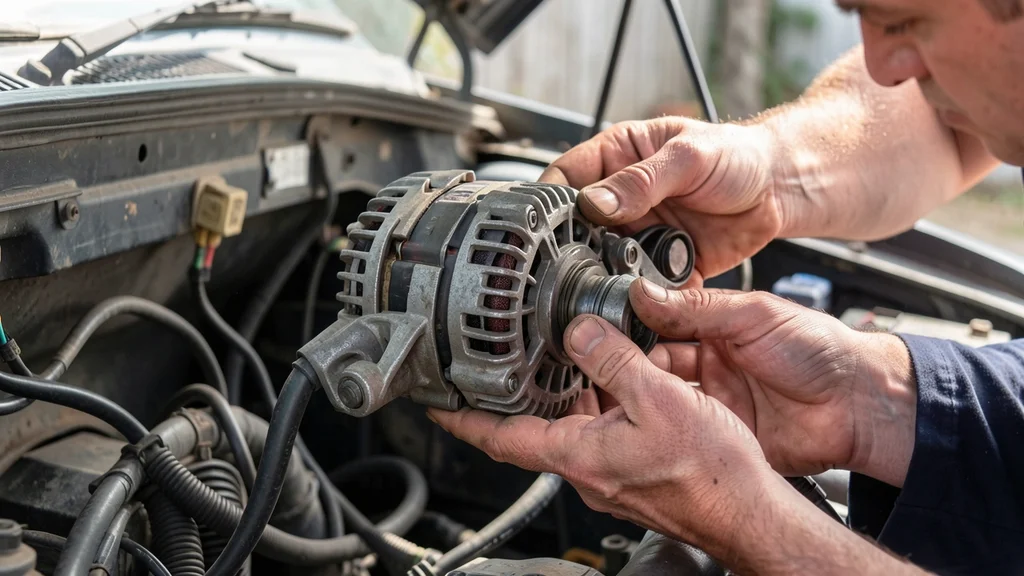
If your car’s electrical system seems off or the battery light flickers, how can you tell if you need a new alternator is likely the first question on your mind. The alternator keeps your battery charged and powers essential systems while the engine runs. Ignoring early warnings can leave you stranded with a dead battery.
This guide covers the clear signs, diagnostics, and next steps to confirm whether it’s time for a replacement.
You can tell if you need a new alternator by watching for dim lights, a dead battery, strange noises, or warning lights on the dashboard. A quick voltage test with a multimeter can confirm if the alternator is failing.
Common Warning Signs of a Failing Alternator
The alternator is the heart of your car’s electrical system, and when it starts to fail, the symptoms are hard to miss. The most common signs include:
- Dim or Flickering Lights: Headlights that dim or flicker, especially at idle, often indicate the alternator isn’t generating enough power. Interior lights may also appear weaker than usual.
- Dead Battery: If your battery dies repeatedly despite jumps or replacements, the alternator may not be recharging it. A dead battery is often the first sign drivers notice.
- Warning Lights: The battery-shaped warning light on your dashboard (often labeled “ALT” or “GEN”) is a direct signal from your car’s computer that the alternator is underperforming.
- Strange Noises: A whining or grinding noise from under the hood can mean the alternator’s bearings are wearing out. This sound often gets louder as the engine revs.
- Electrical Issues: Malfunctioning power windows, a weak radio signal, or a failing AC system can all stem from an alternator that’s not supplying enough power.
- Stalling or Difficulty Starting: If the alternator fails completely, your car may stall or struggle to start, as the battery drains without a recharge.
- Smell of Burning Rubber: A burning smell near the alternator can indicate overheating or a slipping belt, both of which require immediate attention.
According to the National Institute for Automotive Service Excellence (ASE), alternator failure is one of the top 5 causes of roadside breakdowns. If you notice any of these signs, it’s critical to act fast.
How to Test Your Alternator at Home
You don’t need to be a mechanic to perform a basic alternator test. With a few tools and precautions, you can diagnose the issue yourself. Here’s how:
- Visual Inspection: Pop the hood and check the alternator for any obvious damage, such as loose wires, corrosion, or a worn-out serpentine belt. A loose or broken belt can prevent the alternator from functioning.
- Voltage Test: Use a multimeter to test the battery voltage with the engine off (should read around 12.6 volts). Then start the engine and test again. A healthy alternator should produce between 13.8 and 14.4 volts. Anything below 13.5 volts indicates a problem.
- Load Test: Turn on the headlights, AC, and radio while the engine is running. If the voltage drops below 13.5 volts, the alternator may not be handling the electrical load.
- Listen for Noises: Rev the engine and listen for unusual sounds, such as whining or grinding, which can signal internal alternator issues.
- Check the Battery Light: If the battery warning light stays on while driving, it’s a strong indicator that the alternator isn’t charging the battery properly.
Tip: If your multimeter reads below 12 volts with the engine off, your battery may be dead. Charge it fully before testing the alternator to avoid false readings.
| Test Type | Expected Reading | What It Means |
|---|---|---|
| Battery Voltage (Engine Off) | 12.6V | Healthy battery |
| Alternator Voltage (Engine On) | 13.8V – 14.4V | Healthy alternator |
| Alternator Voltage (Engine On, Load) | Above 13.5V | Alternator handling load |
| Alternator Voltage (Engine On, Load) | Below 13.5V | Failing alternator |
A voltage test is the most reliable way to confirm alternator issues. If your readings fall outside the expected ranges, it’s time to visit a professional.
Alternator vs Battery Problems How to Tell the Difference
Many drivers confuse alternator problems with battery issues, but the two have distinct symptoms. Here’s how to tell them apart:
| Symptom | Likely Battery Issue | Likely Alternator Issue |
|---|---|---|
| Car won’t start | Yes (no clicking sound) | Yes (clicking sound but no start) |
| Lights dim at idle | No | Yes |
| Battery light on dashboard | No | Yes |
| Headlights brighten when revving | No | Yes |
| Electrical accessories fail | No | Yes |
If your car starts but dies shortly after, the alternator is likely the culprit. A dead battery usually means the car won’t start at all, even with a jump. However, a jump-start that fails to keep the car running points to alternator trouble.
- Battery: Stores electrical energy and provides the initial power to start the engine. It does not recharge while driving.
- Alternator: Generates electricity while the engine runs, recharging the battery and powering electrical systems.
What Causes Alternator Failure
Alternators don’t fail without a reason. Understanding the common causes can help you prevent issues and extend the life of your vehicle’s electrical system. Here are the most frequent culprits:
- Worn-Out Brushes: The carbon brushes inside the alternator wear down over time, reducing its ability to generate electricity. Most alternators have brushes that last around 50,000 to 100,000 miles.
- Faulty Bearings: The alternator’s internal bearings can wear out, causing noise and eventually leading to failure. This is often due to age or excessive heat.
- Blown Fuse or Bad Connection: A blown fuse, loose wiring, or corroded connections can interrupt the alternator’s power output. Regularly check your car’s fuse box and wiring.
- Overloading the Electrical System: Adding aftermarket accessories like high-powered stereos, lights, or inverters can overload the alternator, causing it to fail prematurely.
- Fluid Leaks: Coolant or oil leaks can seep into the alternator, damaging its internal components. Always address leaks promptly.
- Age and Mileage: Alternators typically last between 7 to 10 years or 100,000 to 150,000 miles. If yours is nearing this range, it may be time for a replacement.
- Belt Issues: A loose, worn, or broken serpentine belt can prevent the alternator from spinning properly, reducing its efficiency.
Warning: Ignoring early signs of alternator failure can lead to a complete electrical system shutdown, leaving you stranded. Address issues as soon as they arise.
According to AAA (American Automobile Association), alternator-related issues account for nearly 15% of all roadside assistance calls. Regular maintenance can help avoid these situations.
How Long Can You Drive With a Bad Alternator
Driving with a failing alternator is risky, but how long you can keep going depends on the severity of the issue and your battery’s condition. Here’s what to expect:
- Mild Failure (Early Stages): If the alternator is weakening but still producing some power, you may be able to drive for a short distance—anywhere from a few miles to 30 miles—before the battery drains completely. However, this is not recommended, as it can cause further damage.
- Moderate Failure: If the alternator is barely functioning, the battery will drain quickly, especially with electrical loads like headlights or AC. You might have 5 to 10 miles of driving before the car stalls.
- Complete Failure: If the alternator stops working entirely, your car will rely solely on the battery. Depending on the battery’s charge, you may have only a few minutes to a couple of miles before the car shuts off.
Important: If your battery light comes on, pull over safely and turn off all non-essential electrical systems to conserve battery power. Drive directly to a repair shop.
Driving with a bad alternator can also damage other electrical components, such as the battery, starter, or even the car’s computer. It’s best to address the issue immediately to avoid costly repairs.
Alternator Replacement Cost and Considerations
If you’ve confirmed that your alternator is failing, the next step is replacement. Here’s what you need to know about costs, parts, and labor:
| Factor | Cost Range | Notes |
|---|---|---|
| Alternator Part | $150 – $500 | OEM parts cost more than aftermarket |
| Labor | $100 – $300 | Varies by vehicle make/model |
| Total (Part + Labor) | $250 – $800 | Luxury/import vehicles may cost more |
| Battery Replacement (if needed) | $100 – $250 | Often recommended with alternator replacement |
- OEM vs. Aftermarket: Original Equipment Manufacturer (OEM) alternators are made by your car’s manufacturer and tend to be more reliable but costlier. Aftermarket alternators are cheaper but may vary in quality.
- Warranty: Many alternators come with a warranty (typically 1-3 years). Check the terms before purchasing.
- DIY vs. Professional: Replacing an alternator is a moderate-level DIY task if you have the tools and experience. However, if you’re unsure, it’s best to leave it to a professional to avoid mistakes.
- Additional Costs: If the serpentine belt or tensioner is worn, it’s a good idea to replace them at the same time, adding $50-$150 to the total cost.
According to RepairPal, the average cost for alternator replacement in the U.S. is between $400 and $600, including parts and labor. Luxury or import vehicles can cost significantly more due to specialized parts and labor rates.
DIY Alternator Replacement Step by Step
If you’re mechanically inclined, replacing your alternator at home can save you money. Follow these steps carefully to ensure a successful replacement:
- Gather Tools and Parts: You’ll need a new alternator, wrenches, sockets, a serpentine belt diagram (usually in your owner’s manual), a jack and jack stands (if needed), and safety glasses.
- Disconnect the Battery: Always start by disconnecting the negative (-) battery terminal to prevent electrical shorts or sparks. This is a critical safety step.
- Locate the Alternator: The alternator is typically mounted near the engine, driven by the serpentine belt. Refer to your vehicle’s manual for its exact location.
- Remove the Serpentine Belt: Use a wrench to release tension on the belt tensioner, then slip the belt off the alternator pulley. Note the belt’s path for reinstallation.
- Disconnect Electrical Connections: Unplug the wiring harness and remove the bolt securing the main power wire to the alternator. You may need to use a wrench or socket.
- Remove the Alternator: The alternator is usually held in place by 2-3 bolts. Remove these bolts and carefully lift the alternator out of the engine bay.
- Install the New Alternator: Place the new alternator in the same position and secure it with the bolts. Reconnect the electrical connections, ensuring they’re tight.
- Reinstall the Serpentine Belt: Refer to your belt diagram to thread the belt correctly around the pulleys. Use the tensioner to apply tension and secure the belt.
- Reconnect the Battery: Reattach the negative (-) battery terminal. Start the engine and check for proper operation (no warning lights, steady voltage).
Tip: Take a photo of the serpentine belt’s path before removing it to ensure you reinstall it correctly. A misrouted belt can damage the alternator or other components.
If you’re unsure about any step, consult a repair manual or seek professional help. Safety should always be your top priority.
When to Call a Professional
While DIY replacement is possible for some, there are situations where calling a professional is the best choice. Here’s when to leave it to the experts:
- Lack of Experience: If you’ve never worked on a car’s electrical system before, it’s best to avoid the risk of damaging your vehicle or injuring yourself.
- Complex Vehicle: Some vehicles, particularly luxury or import models, have tightly packed engine bays or unique alternator setups that require specialized tools or knowledge.
- Diagnostic Uncertainty: If you’re unsure whether the alternator is the root cause of your electrical issues, a professional can perform a thorough diagnostic test to confirm the problem.
- Warranty Concerns: If your car is under warranty, attempting a DIY repair could void the coverage. Always check your warranty terms before starting any work.
- Time Constraints: If you need your car back on the road quickly, a professional mechanic can complete the job efficiently, often within a few hours.
- Safety Concerns: Working under the hood involves risks, such as electrical shocks or injuries from tools. If you’re not comfortable, it’s safer to hire a professional.
A professional mechanic can also inspect other components, such as the battery, starter, or belts, to ensure your entire electrical system is in good condition. According to Consumer Reports, professional alternator replacement has a success rate of over 95%, compared to around 70% for DIY attempts.
Frequently Asked Questions
Can a bad alternator destroy a new battery?
Yes, a failing alternator can drain a new battery quickly. If the alternator isn’t charging the battery while the engine runs, the battery will eventually die, even if it’s brand new. Always address alternator issues promptly to avoid damaging your battery.
How long does it take to replace an alternator?
For a professional mechanic, alternator replacement typically takes 1 to 2 hours, depending on the vehicle. DIYers may take longer, especially if it’s their first time. Complex vehicles or rusted bolts can extend the process.
Can I drive with a bad alternator if I jump-start the car?
Jump-starting a car with a bad alternator will only provide temporary power. Once the jump leads are removed, the car will rely on the battery, which will drain quickly. You may have a few minutes to a few miles of driving before the car stalls again.
What does a failing alternator sound like?
A failing alternator often produces a whining or grinding noise, which can get louder as the engine revs. This sound is usually caused by worn bearings or internal components. If you hear unusual noises, have your alternator inspected as soon as possible.
Will a bad alternator cause the check engine light to come on?
Yes, a failing alternator can trigger the check engine light, especially in modern vehicles with advanced electrical systems. The car’s computer may detect irregular voltage levels and illuminate the light as a warning. Always scan for codes to confirm the issue.
Final Thoughts
Knowing how can you tell if you need a new alternator can save you from unexpected breakdowns and costly repairs. Watch for warning signs like dim lights, a dead battery, or strange noises, and confirm the issue with a voltage test. Whether you choose to replace the alternator yourself or hire a professional, addressing the problem early ensures your car remains reliable.
Stay proactive with your vehicle’s maintenance to avoid being left stranded with a dead electrical system.
Leave a Reply