
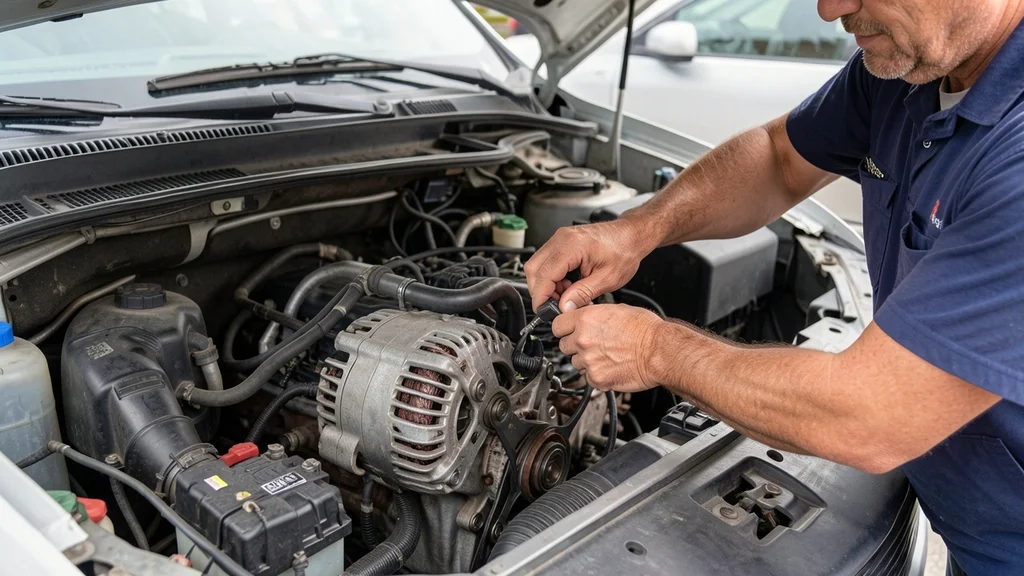
If your car’s electrical system is acting up, how can you tell when alternator is bad becomes a critical question to answer fast. The alternator keeps your battery charged and powers everything from headlights to the radio while the engine runs. A failing alternator can leave you stranded with a dead battery or cause erratic electrical behavior.
Recognizing the early warning signs saves you from costly repairs and unexpected breakdowns.
You can tell when an alternator is bad by watching for dim or flickering headlights, a dead battery, strange electrical smells, warning lights on the dashboard, or whining noises from the engine. These symptoms often appear before a complete failure occurs.
Warning Lights on the Dashboard
The most common and immediate sign is the battery warning light on your dashboard. This light typically looks like a battery symbol and illuminates when the alternator fails to charge the battery properly. Modern vehicles often have a dedicated alternator warning light or a generic check engine light that can indicate electrical issues.
Do not ignore this warning. While the battery light can sometimes indicate a battery issue, it is more often tied to alternator problems. If this light appears while driving, it is a clear sign that your alternator may be failing and needs immediate attention.
- Battery Light: Directly indicates a charging system issue, often the alternator
- Check Engine Light: Can appear for many reasons, but combined with electrical symptoms, it may point to the alternator
- Voltage Warning: Some vehicles have a voltage gauge that drops below normal when the alternator fails
- Multiple Lights: If several warning lights illuminate at once, it could signal a failing alternator causing voltage drops
Warning: Continuing to drive with the battery warning light on can lead to a complete electrical failure, leaving you stranded. Pull over safely and have the vehicle checked immediately.
Dim or Flickering Headlights
Dim or flickering headlights are classic signs of alternator trouble. The alternator supplies power to your car’s electrical system, including the headlights. When it starts to fail, it cannot maintain a consistent electrical output, causing lights to dim or flicker, especially at idle or low RPMs.
This symptom is often most noticeable at night or in low-light conditions. You might also notice that interior lights, dashboard lights, or even the radio display appear dimmer than usual. If your headlights brighten when you rev the engine, it is a strong indicator that the alternator is not generating sufficient power at lower speeds.
- Headlights: Dim or flicker, especially at idle
- Interior Lights: Noticeably dimmer than usual
- Dashboard Lights: Appear weaker or flicker
- Radio Display: May dim or reset intermittently
- Power Accessories: Windows, seats, or other electrical components may operate slowly
Dead Battery or Frequent Jump Starts
A dead battery is often the first sign many people notice, but it is frequently misdiagnosed as a battery issue rather than an alternator problem. The alternator’s primary job is to recharge the battery while the engine runs. If the alternator fails, the battery will eventually drain, leaving you with a car that will not start.
If you find yourself jump-starting your car frequently, it could be a sign that the alternator is not charging the battery properly. Even after a successful jump start, if the car dies again shortly after removing the jumper cables, the alternator is likely the culprit. A simple test is to start the car, remove the positive battery terminal while the engine is running.
If the car stalls, the alternator is not functioning correctly.
Tip: Never disconnect the battery while the engine is running in modern vehicles with sensitive electronics. Instead, use a multimeter to test the alternator’s output or have a professional mechanic perform a charging system test.
| Symptom | Likely Cause | Solution |
|---|---|---|
| Frequent jump starts needed | Alternator not charging battery | Replace alternator, test battery health |
| Battery light on dashboard | Low voltage from failing alternator | Inspect alternator and electrical connections |
| Headlights dim at idle | Insufficient power output | Check alternator output with multimeter |
A dead battery can also occur if the alternator is overcharging the battery, which can damage it over time. According to AAA, alternator failures account for nearly 20% of all vehicle breakdowns related to electrical systems. Regular testing of your charging system can prevent unexpected failures.
Strange Noises from the Engine
Unusual noises coming from your engine bay can also indicate alternator problems. A failing alternator often produces a whining or grinding noise. This sound is typically caused by worn-out bearings inside the alternator, which can create friction and noise as they deteriorate.
The alternator is driven by a serpentine belt connected to the engine. If this belt is loose, worn, or misaligned, it can cause a squealing noise, especially when accelerating. However, if the noise persists even after the belt has been checked or replaced, the issue is likely within the alternator itself.
Ignoring these noises can lead to complete alternator failure and potential damage to other engine components.
- Whining Noise: High-pitched whine from the alternator, often due to bearing failure
- Grinding Noise: Metal-on-metal grinding, indicating severe internal damage
- Squealing Noise: Often related to the serpentine belt, but can also indicate alternator pulley issues
- Clicking Noise: May indicate loose connections or internal alternator problems
Important: If you hear unusual noises from your engine, have the alternator and serpentine belt inspected as soon as possible. Driving with a failing alternator can lead to a complete breakdown and potential damage to your vehicle’s electrical system.
Electrical Accessories Malfunctioning
Modern vehicles rely heavily on electrical systems to power various accessories, from power windows to the radio and air conditioning. When the alternator begins to fail, these accessories may start to malfunction or operate intermittently. You might notice that your power windows move more slowly than usual, or your radio cuts in and out.
In some cases, the malfunctioning may be more severe. For example, your car’s power steering or braking systems, which rely on electrical assistance, may become less responsive. If you notice that multiple electrical accessories are not working correctly, it is a strong indication that the alternator is not providing sufficient power to the vehicle’s electrical system.
- Power Windows: Move slowly or fail to operate
- Radio: Cuts in and out or resets frequently
- Air Conditioning: Blows weaker or stops working intermittently
- Power Seats: Move sluggishly or not at all
- Dashboard Gauges: Behave erratically or reset
| Accessory | Symptom of Alternator Failure | Why It Happens |
|---|---|---|
| Power Windows | Slow or non-responsive | Low voltage from failing alternator |
| Radio | Cuts out or resets | Inconsistent electrical supply |
| Air Conditioning | Weak airflow or intermittent operation | Alternator unable to power all systems |
According to a study by J.D. Power, electrical issues, including alternator failures, are among the top reasons for vehicle breakdowns, accounting for approximately 15% of all roadside assistance calls. Addressing these symptoms early can prevent more significant problems down the line.
Smell of Burning Rubber or Wires
A failing alternator can sometimes produce a distinct burning smell. This odor can come from several sources, including overheating components within the alternator itself or a slipping serpentine belt that is generating excessive heat due to friction. The smell of burning rubber is often a sign that the belt is not turning the alternator pulley correctly, leading to overheating.
In more severe cases, the alternator may overheat due to internal electrical issues, such as a short circuit or excessive resistance. This can produce a burning smell similar to that of burning wires. If you notice a burning odor coming from your engine bay, it is critical to address the issue immediately, as it can lead to electrical fires or further damage to your vehicle.
- Burning Rubber: Often caused by a slipping or misaligned serpentine belt
- Burning Wires: Indicates internal electrical issues within the alternator
- Overheating: Can be due to excessive resistance or short circuits in the alternator
Warning: If you smell burning rubber or wires, turn off your engine immediately and have your vehicle inspected by a professional. Continuing to drive with an overheating alternator can lead to a fire or severe damage to your vehicle’s electrical system.
How to Test Your Alternator
If you suspect your alternator is failing, there are a few simple tests you can perform to confirm the issue. The easiest method is to use a multimeter to check the voltage output of your alternator. With the engine off, a fully charged battery should read around 12.6 volts.
Start the engine and rev it to around 2,000 RPM. The voltage should increase to between 13.8 and 14.4 volts, indicating that the alternator is charging the battery properly.
If the voltage remains the same or drops below 13 volts, the alternator is likely not functioning correctly. Another method is to start the car and then disconnect the positive battery terminal. If the engine stalls, it indicates that the alternator is not generating enough power to keep the vehicle running.
However, this test should be done with caution, as it can damage sensitive electronics in modern vehicles.
- Multimeter Test:
- Set multimeter to DC voltage
- Connect probes to battery terminals (red to positive, black to negative)
- Check voltage with engine off (should be ~12.6V)
- Start engine and rev to 2,000 RPM (should read 13.8-14.4V)
- If voltage does not increase, alternator is likely failing
- Battery Terminal Test:
- Start the engine
- Disconnect the positive battery terminal
- If engine stalls, alternator is not charging the battery
- Visual Inspection:
- Check for loose or corroded connections at the alternator
- Inspect the serpentine belt for wear, cracks, or misalignment
- Look for signs of fluid leaks or damage to the alternator
Tip: For the most accurate diagnosis, take your vehicle to a professional mechanic or auto parts store. Many stores offer free alternator and battery testing services.
Common Causes of Alternator Failure
Understanding the common causes of alternator failure can help you prevent issues before they occur. Alternators typically last between 7 to 10 years or 100,000 to 150,000 miles, but several factors can shorten their lifespan. One of the most common causes is wear and tear on the internal components, such as bearings or brushes, which can degrade over time.
Another leading cause is fluid contamination. Alternators are often mounted low in the engine bay, making them susceptible to damage from oil, coolant, or power steering fluid leaks. These fluids can seep into the alternator and damage its internal components.
Additionally, electrical issues, such as overloading the alternator with too many aftermarket accessories or a faulty voltage regulator, can lead to premature failure.
- Worn Bearings: Can cause noise and eventually lead to alternator failure
- Faulty Brushes: Wear out over time and reduce alternator efficiency
- Fluid Contamination: Oil, coolant, or power steering fluid can damage internal components
- Overloading: Too many electrical accessories can strain the alternator
- Voltage Regulator Failure: Can cause overcharging or undercharging of the battery
- Heat Damage: Excessive heat can degrade alternator components over time
| Cause | Effect on Alternator | Prevention |
|---|---|---|
| Worn Bearings | Causes noise and reduces efficiency | Regular maintenance and timely replacement |
| Fluid Contamination | Damages internal components | Fix leaks promptly, protect alternator from fluids |
| Overloading | Strains alternator, leads to premature failure | Limit aftermarket electrical accessories |
According to Consumer Reports, fluid leaks are responsible for nearly 30% of alternator failures. Regularly checking for and addressing fluid leaks can significantly extend the life of your alternator.
Frequently Asked Questions
Can I drive with a bad alternator?
Driving with a bad alternator is not recommended. While your car may run for a short time on battery power alone, the battery will eventually drain, leaving you stranded. Additionally, a failing alternator can cause voltage spikes that may damage sensitive electronics in your vehicle.
If you notice signs of a bad alternator, have it inspected and replaced as soon as possible.
How long does an alternator last?
Most alternators last between 7 to 10 years or 100,000 to 150,000 miles. However, their lifespan can be shorter if the alternator is exposed to extreme heat, fluid contamination, or electrical overload. Regular maintenance, such as checking for fluid leaks and ensuring proper belt tension, can help extend the life of your alternator.
What happens if I ignore a bad alternator?
Ignoring a bad alternator can lead to a complete electrical failure, leaving you with a dead battery and a car that will not start. In some cases, a failing alternator can also cause damage to other electrical components, such as the battery, starter, or sensitive electronics like the ECU. Addressing alternator issues early can prevent more costly repairs down the line.
How much does it cost to replace an alternator?
The cost to replace an alternator varies depending on the make and model of your vehicle, as well as whether you choose to replace it yourself or have it done professionally. On average, alternator replacement costs between $400 to $1,000, including parts and labor. If you are experienced with car repairs, you can save money by replacing the alternator yourself, as the part itself typically costs between $150 to $400.
Can a bad alternator damage my battery?
Yes, a bad alternator can damage your battery. If the alternator is overcharging the battery, it can cause the battery to overheat and fail prematurely. Conversely, if the alternator is undercharging the battery, the battery may become deeply discharged, leading to sulfation and a shortened lifespan.
A properly functioning alternator is essential for maintaining the health of your battery.
Final Thoughts
Recognizing the signs of a bad alternator early can save you from unexpected breakdowns and costly repairs. Watch for warning lights, dim headlights, frequent jump starts, strange noises, malfunctioning accessories, or burning smells. Regular maintenance and prompt attention to these symptoms will keep your vehicle running smoothly.
If in doubt, a quick test with a multimeter or a visit to a professional mechanic can provide peace of mind and prevent further damage.
Leave a Reply