
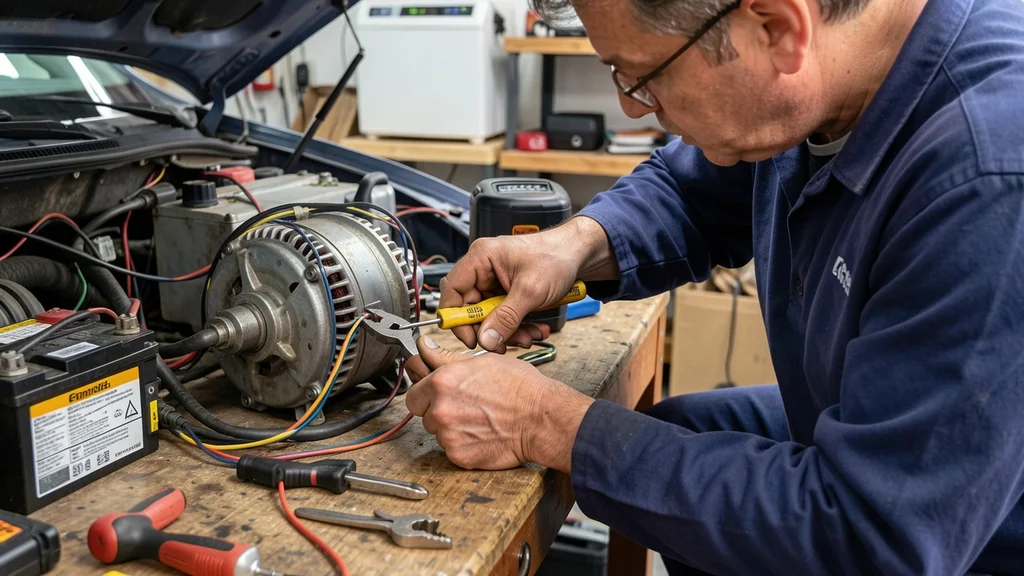
If you’re curious about powering devices directly from your vehicle, what can you run off alternator depends on its wattage and your car’s electrical system. Alternators typically produce 500-700 watts at idle and up to 2000 watts at higher RPMs, making them suitable for small electronics, power tools, or even emergency appliances. This guide covers safe usage, compatible devices, and how to avoid damaging your vehicle’s battery or alternator.
You can run small electronics like laptops, phones, and power tools off an alternator, but avoid high-wattage devices like microwaves or space heaters. Always use an inverter and monitor your battery voltage to prevent drainage.
Understanding Your Alternator’s Power Output
An alternator converts mechanical energy from your engine into electrical energy to power your car’s systems and recharge the battery. Most stock alternators in passenger vehicles range from 60 to 200 amps, translating to roughly 800-2000 watts of power at peak performance. However, the actual usable power depends on your engine’s RPM and the alternator’s efficiency.
At idle (around 600-800 RPM), alternators typically produce 40-60% of their rated output. For example, a 100-amp alternator may only supply 40-60 amps at idle, which is about 500-700 watts. This is enough for small devices but insufficient for high-demand appliances.
At higher RPMs (2000+), the output increases significantly, allowing you to power more demanding tools or electronics.
To determine your alternator’s capacity, check your vehicle’s manual or look for markings on the alternator itself. Common ratings include:
- Compact cars: 60-90 amps (700-1000 watts)
- Mid-size sedans/SUVs: 100-130 amps (1200-1500 watts)
- Trucks/large SUVs: 130-200 amps (1500-2500 watts)
- High-output alternators (aftermarket): 200-300+ amps (2500-3500+ watts)
| Vehicle Type | Alternator Amps | Estimated Watts at Idle | Estimated Watts at 2000 RPM |
|---|---|---|---|
| Compact Car | 60-90A | 400-600W | 800-1200W |
| Mid-Size Sedan/SUV | 100-130A | 700-900W | 1200-1800W |
| Truck/Large SUV | 130-200A | 900-1400W | 1800-2500W |
The table above gives a rough estimate of what you can expect from your alternator. Remember, these are approximate values, and actual output can vary based on the alternator’s age, condition, and engine load.
What Devices Can You Safely Run Off an Alternator
Not all devices are suitable for running off an alternator. The key is to match the device’s wattage with your alternator’s output and avoid draining your car’s battery. Below is a breakdown of common devices and their compatibility.
Small Electronics (Under 300 Watts)
These are the safest options and can typically run off most alternators without issues, even at idle.
- Smartphones and tablets: 5-20W
- Laptops: 30-90W (check your adapter’s wattage)
- Portable fans: 10-50W
- LED lights: 5-20W
- GPS devices: 5-15W
- Bluetooth speakers: 10-50W
- Digital cameras: 10-30W
Tip: Use a pure sine wave inverter for sensitive electronics like laptops to avoid damage from power fluctuations.
Medium Power Devices (300-1000 Watts)
These require a higher-output alternator and are best used when the engine is running at higher RPMs (e.g., while driving).
- Power tools: 300-800W (drills, circular saws, sanders)
- Small TVs: 50-200W (12V or inverter-powered)
- Car vacuums: 200-600W
- Portable refrigerators: 30-100W (12V) or 200-400W (AC via inverter)
- Air compressors: 300-800W
- Electric coolers/heaters: 300-600W
High Power Devices (1000-2000 Watts)
These are pushing the limits of most stock alternators and should only be used with high-output alternators and a robust battery. Avoid using these at idle.
- Microwaves: 1000-1500W
- Small space heaters: 1000-1500W
- Electric grills: 1200-1800W
- Large power tools: 1000-2000W (table saws, pressure washers)
Warning: Running high-wattage devices for extended periods can overheat your alternator or drain your battery, even with the engine running. Monitor your battery voltage closely.
What You Cannot Run Off an Alternator
Some devices are simply too power-hungry or incompatible with a vehicle’s electrical system. Attempting to run these can damage your alternator, battery, or the device itself.
- Household appliances: Refrigerators, washing machines, and dryers typically require 1500-3000+ watts, which is beyond most alternators’ capacity. Even if your alternator can handle the wattage, the startup surge (e.g., a fridge compressor) can exceed 2000 watts, causing damage.
- Large power tools: Industrial-grade tools like welders (3000-6000W) or large air compressors (2000+ W) will overload your system.
- Electric vehicles or chargers: Charging another EV or even a high-capacity electric bike battery can draw 3000-7000W, which is far beyond what any stock alternator can provide.
- Medical equipment: Devices like CPAP machines or oxygen concentrators require stable, clean power. A car alternator’s output can fluctuate, posing a risk to sensitive equipment.
- High-wattage kitchen appliances: Toasters, blenders, and ovens typically draw 1000-3000W, which is unsafe for most alternators.
Additionally, avoid devices with inductive loads (e.g., motors, compressors) that create power surges during startup. These can momentarily draw 2-3 times their rated wattage, which may exceed your alternator’s capacity.
How to Safely Run Devices Off Your Alternator
Running devices off your alternator requires careful planning to avoid damaging your vehicle’s electrical system. Follow these steps to ensure safe and efficient power usage.
Step 1: Check Your Alternator’s Output
Before connecting any device, determine your alternator’s amperage rating. This information is usually found in your vehicle’s manual or stamped on the alternator itself. If you’re unsure, consult a mechanic or use a multimeter to test the output.
- Start your engine and let it idle.
- Connect a multimeter to your battery terminals.
- Measure the voltage. A healthy alternator should output 13.8-14.4 volts at idle.
- Rev the engine to 2000 RPM and check the voltage again. It should increase slightly, indicating the alternator is working.
Step 2: Calculate Your Device’s Power Requirements
Check the wattage of the device you want to run. This is usually listed on the device’s label or in the user manual. If the device lists amps instead of watts, use this formula:
Watts = Amps × Volts
For example, a device drawing 5 amps on a 120V circuit uses 600 watts (5 × 120). For 12V devices (common in cars), the calculation is simpler, but remember that alternators output 12-14V DC, so you’ll need an inverter for AC devices.
Step 3: Use an Inverter for AC Devices
Most household devices run on AC (alternating current) power, while your car’s electrical system uses DC (direct current). To run AC devices, you’ll need a power inverter that converts DC to AC.
- Pure sine wave inverters: Best for sensitive electronics (laptops, phones, medical devices). They produce clean, stable power similar to household outlets.
- Modified sine wave inverters: Cheaper but can damage sensitive electronics over time. Suitable for simple devices like power tools or lights.
- Inverter size: Choose an inverter with a continuous wattage rating at least 20% higher than your device’s wattage. For example, for an 800W device, use a 1000W inverter.
| Inverter Type | Best For | Avoid For | Efficiency |
|---|---|---|---|
| Pure Sine Wave | Laptops, phones, medical devices, sensitive electronics | None | 85-90% |
| Modified Sine Wave | Power tools, lights, simple appliances | Laptops, medical devices, audio equipment | 75-85% |
Pure sine wave inverters are the safest choice for most applications, but they’re more expensive. Modified sine wave inverters are a budget-friendly option for less sensitive devices.
Step 4: Connect the Inverter Properly
Improper inverter installation can damage your electrical system or create safety hazards. Follow these guidelines:
- Direct to battery: For inverters over 300W, connect directly to the battery using thick, short cables (at least 4 AWG for 1000W inverters). This reduces voltage drop and heat buildup.
- Avoid cigarette lighters: The 12V outlet (cigarette lighter) is limited to 10-15 amps (120-180W). Only use it for very small devices (e.g., phone chargers).
- Fuse protection: Always install an inline fuse between the battery and inverter. The fuse should be rated for the inverter’s maximum current draw (e.g., a 1000W inverter at 12V draws ~83 amps, so use a 100A fuse).
- Grounding: Ensure the inverter is properly grounded to the vehicle’s chassis to prevent electrical shorts.
- Ventilation: Inverters generate heat. Place yours in a well-ventilated area, away from flammable materials.
Step 5: Monitor Your Battery Voltage
Running devices off your alternator can drain your battery if the alternator isn’t keeping up with the demand. Use a battery monitor or multimeter to track voltage in real time.
- Safe range: Voltage should stay above 12.5V with the engine running. If it drops below 12V, your battery is being drained.
- Warning signs: Dim headlights, slow engine cranking, or warning lights on your dashboard indicate electrical issues.
- Solution: If voltage drops, reduce the load or turn off the device. For high-wattage devices, avoid using them at idle.
Important: Never let your battery voltage drop below 12V while the engine is running. Prolonged low voltage can damage your battery and alternator.
Common Mistakes to Avoid
Even experienced users make mistakes when running devices off an alternator. Here are the most common pitfalls and how to avoid them:
- Overloading the alternator: Exceeding your alternator’s wattage capacity can cause it to overheat or fail. Always check the wattage of your devices and compare it to your alternator’s output.
- Ignoring startup surges: Devices with motors (e.g., refrigerators, compressors) draw 2-3 times their rated wattage when starting. A 500W fridge might need 1500W to start, which can overload a small alternator.
- Using undersized cables: Thin or long cables create resistance, leading to voltage drop and heat. For high-wattage devices, use thick, short cables (e.g., 2 AWG for 2000W inverters).
- Running devices with the engine off: Your alternator only charges the battery when the engine is running. Running devices with the engine off will drain your battery quickly.
- Skipping the fuse: A fuse protects your electrical system from overloads. Without one, a short circuit can damage your inverter, battery, or alternator.
- Using cheap inverters: Low-quality inverters can produce unstable power, damaging sensitive electronics. Invest in a reputable brand with good reviews.
- Not monitoring battery voltage: Failing to track voltage can lead to a dead battery or alternator damage. Always use a battery monitor or multimeter.
Upgrading Your Alternator for More Power
If you frequently need to run high-wattage devices, consider upgrading your alternator. Aftermarket high-output alternators can provide 200-300+ amps, significantly increasing your available power.
When to Upgrade
Upgrading is a good idea if you:
- Regularly use power tools or appliances in your vehicle.
- Have a sound system, off-road lights, or other high-draw accessories.
- Want to run a portable fridge, microwave, or other medium-high wattage devices.
- Experience dimming headlights or battery issues when using accessories.
Choosing the Right High-Output Alternator
High-output alternators come in various amperage ratings. Consider the following factors when choosing one:
- Amperage rating: Match the alternator’s output to your power needs. For example, a 200-amp alternator can handle up to 2400W at peak performance.
- Compatibility: Ensure the alternator fits your vehicle’s make, model, and engine type. Some alternators are universal, while others are vehicle-specific.
- Brand reputation: Stick to trusted brands like Bosch, Denso, or Mean Green for reliability and performance.
- Warranty: Look for alternators with a warranty of at least 1-2 years to protect your investment.
| Alternator Type | Amperage | Max Watts | Best For |
|---|---|---|---|
| Stock Alternator | 60-130A | 800-1500W | Small electronics, power tools |
| High-Output Alternator | 160-200A | 2000-2500W | Portable fridges, microwaves, large power tools |
| Extreme-Duty Alternator | 200-300A | 2500-3500W | Off-road vehicles, sound systems, welding equipment |
High-output alternators are ideal for users who need more power than a stock alternator can provide. However, they can be expensive, so weigh the cost against your power needs.
Installation Tips
Installing a high-output alternator is similar to replacing a stock alternator, but there are a few additional considerations:
- Battery upgrade: A high-output alternator requires a battery that can handle the increased charging current. Consider upgrading to a deep-cycle or AGM battery for better performance.
- Wiring: Use thick, high-quality cables to connect the alternator to the battery. Thin cables can create a bottleneck, limiting the alternator’s output.
- Voltage regulator: Some high-output alternators come with an external voltage regulator. Ensure it’s properly installed and calibrated.
- Professional help: If you’re not comfortable with electrical work, have a professional mechanic install the alternator to avoid mistakes.
Real-World Examples of Running Devices Off an Alternator
To give you a better idea of what’s possible, here are some real-world scenarios and how to set them up safely.
Scenario 1: Powering a Laptop and Phone
If you need to work from your car, powering a laptop (90W) and phone (10W) is well within the capabilities of most alternators.
- Inverter: 150W pure sine wave inverter.
- Connection: Plug the inverter into the 12V outlet (cigarette lighter) or connect directly to the battery for better stability.
- Power draw: 100W total (90W + 10W).
- Battery impact: Minimal. A stock alternator can handle this easily, even at idle.
Best For: Remote work, road trips, or emergencies when you need to charge devices.
Scenario 2: Running a Portable Fridge
A portable fridge (50W) can run for hours without draining your battery, but you’ll need to ensure your alternator can keep up.
- Inverter: 300W pure sine wave inverter (for AC fridges) or direct 12V connection (for DC fridges).
- Connection: Direct to battery with a 10A fuse.
- Power draw: 50W continuous (may spike to 150W during compressor startup).
- Battery impact: Low. A 100A alternator can handle this without issues.
Tip: Use a dual-battery system for long trips. This isolates your starter battery from the fridge, preventing drainage.
Best For: Camping, road trips, or tailgating where you need to keep food cold.
Scenario 3: Using Power Tools
Power tools like drills (300W) or circular saws (800W) can be run off an alternator, but you’ll need to monitor your battery voltage closely.
- Inverter: 1000W pure sine wave inverter.
- Connection: Direct to battery with 4 AWG cables and a 100A fuse.
- Power draw: 300-800W (check your tool’s wattage).
- Battery impact: Moderate. Use at higher RPMs (e.g., while driving) to ensure the alternator keeps up.
Best For: Construction workers, DIY projects, or emergency repairs.
Scenario 4: Running a Microwave
A microwave (1000-1500W) is at the upper limit of most stock alternators. This should only be attempted with a high-output alternator and careful monitoring.
- Inverter: 2000W pure sine wave inverter.
- Connection: Direct to battery with 2 AWG cables and a 150A fuse.
- Power draw: 1000-1500W (may spike to 2000W during startup).
- Battery impact: High. Only use while the engine is running at 2000+ RPM, and limit usage to short periods.
Warning: Running a microwave off a stock alternator can overload your system. Upgrade to a high-output alternator if you plan to use one regularly.
Best For: Tailgating, camping, or emergency situations where you need to heat food.
Frequently Asked Questions
Can I run a TV off my car alternator?
Yes, you can run a small TV (50-200W) off your alternator using a pure sine wave inverter. For a 12V TV, you can connect it directly to your car’s electrical system without an inverter. Just ensure the TV’s wattage doesn’t exceed your alternator’s output at idle.
How long can I run a device off my alternator?
The duration depends on your alternator’s output, the device’s wattage, and your battery’s capacity. For small devices (under 300W), you can run them indefinitely with the engine running. For high-wattage devices (1000W+), limit usage to short periods (10-30 minutes) to avoid overheating the alternator or draining the battery.
Can I charge my electric car from another car’s alternator?
No, charging an electric car (EV) from another car’s alternator is not feasible. EVs require high-voltage DC (e.g., 400V) and high amperage (30-50A), which far exceeds the output of a standard 12V alternator. Even high-output alternators cannot provide the necessary power for EV charging.
Will running devices off my alternator damage my battery?
Running devices off your alternator won’t damage your battery if the alternator can keep up with the demand. However, if the device’s wattage exceeds the alternator’s output, the battery will drain to compensate. Prolonged low voltage (below 12V) can damage the battery and alternator.
Always monitor voltage and avoid overloading.
Do I need a special alternator for an inverter?
You don’t necessarily need a special alternator for an inverter, but a high-output alternator is recommended if you plan to run high-wattage devices (1000W+). Stock alternators can handle small inverters (300-500W) for low-power devices like laptops or phones. For larger inverters, upgrade your alternator to avoid overloading.
Final Thoughts
Running devices off your alternator is a practical way to power electronics, tools, or small appliances on the go. However, it’s crucial to understand your alternator’s limits, match your device’s wattage, and use the right equipment (like a pure sine wave inverter) to avoid damage. Monitor your battery voltage, avoid overloading, and consider upgrading your alternator if you need more power.
With the right setup, you can safely and efficiently harness your vehicle’s electrical system for a variety of needs.
Leave a Reply